
Heating Maintenance in OSU, OH
Heating maintenance in OSU, OH ensures reliable warmth this winter with proactive care. Learn more about our tune-up program and schedule now.

Heating Maintenance in OSU, OH
Keeping your heating system healthy is essential for reliable, efficient warmth during central Ohio winters. Heating Maintenance in OSU, OH focuses on proactive care designed for the neighborhood’s mix of older homes, university rentals, and modern apartments—settings that often face drafty construction, heavy seasonal use, and colder-than-average winter snaps. A structured maintenance program reduces breakdown risk, improves comfort, documents system condition, and helps stretch the life of furnaces and boilers so your home stays warm when you need it most.
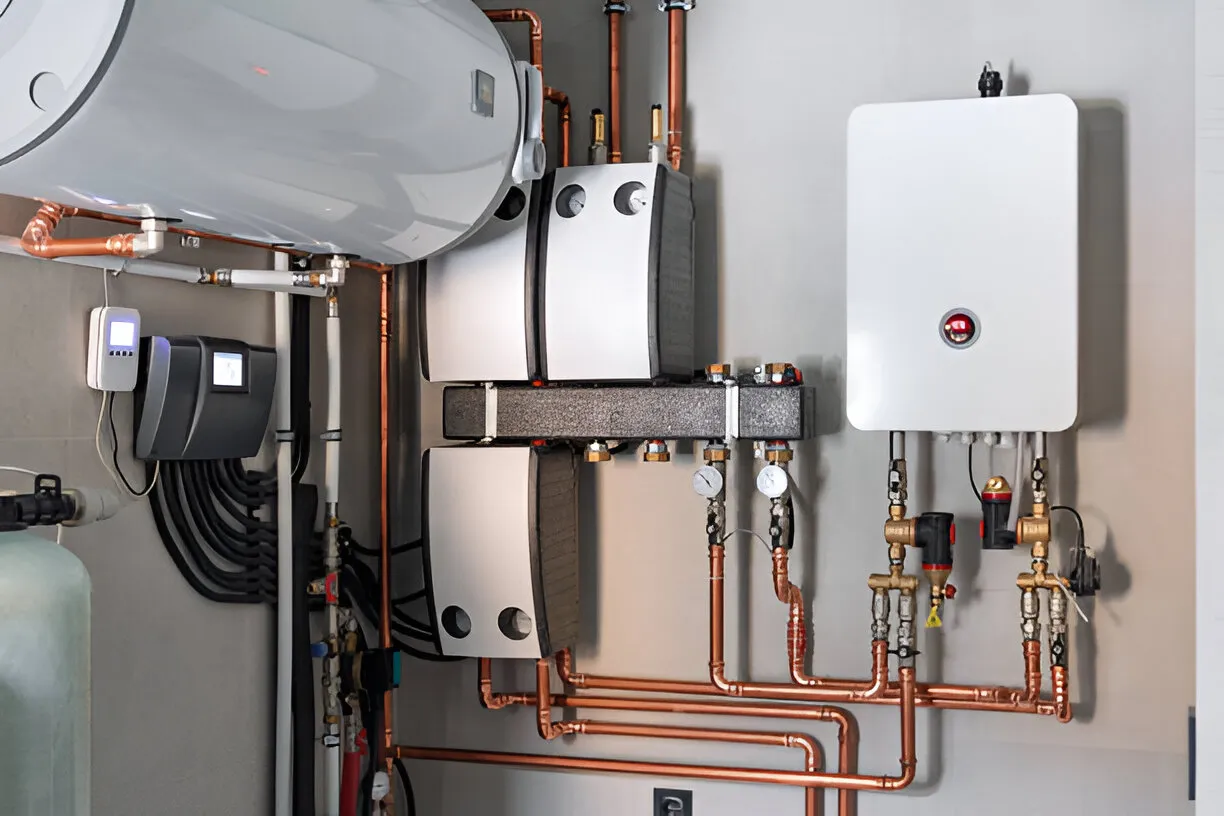
Why regular heating maintenance matters in OSU, OH homes
- OSU-area houses and apartments often have older ductwork, tighter schedules for renters, and heavier start/stop cycles during shoulder seasons.
- Columbus winters bring repeated freeze-thaw cycles and extended cold stretches; systems that aren’t tuned up are more likely to fail or run inefficiently.
- Proactive maintenance helps avoid emergency repairs in the coldest months, keeps heating bills more predictable, and preserves equipment warranties and resale value.
What’s included in a typical heating maintenance program
A comprehensive heating maintenance agreement in OSU, OH generally covers a set of scheduled inspections and preventative tasks performed by trained technicians. Typical inclusions are:
- Biannual inspections (commonly fall/pre-winter furnace tune-up and optional spring check)
- Safety checks: carbon monoxide screening, flue/venting condition, pilot assembly or ignition system inspection
- Combustion and performance review: combustion efficiency checks where applicable, heat exchanger inspection for cracks or corrosion
- Airflow and filter service: filter inspection/replacement guidance, blower cleaning, and airflow measurement
- Electrical and controls: tightness of electrical connections, thermostat calibration, control sequence verification
- Mechanical maintenance: lubrication of motors and bearings, belt inspection and tensioning, burner and ignition cleaning
- Gas and pressure checks (for gas furnaces/boilers): gas valve and pressure verification for safe operation
- Duct and vent assessment: visual inspection for disconnections, leaks, and insulation problems
- Documentation: a detailed service report after each visit listing findings, actions taken, recommended repairs, and next service interval
Common heating issues in OSU, OH and how maintenance prevents them
- No heat or intermittent operation — Often due to ignition problems, clogged filters, or electrical connections that loosen over time. Routine checks catch faults before total failure.
- High heating bills / reduced output — Dirty burners, clogged filters, and poor airflow reduce efficiency. Simple cleaning and calibration restore performance.
- Frequent cycling or short-cycling — Caused by thermostat miscalibration, airflow restrictions, or oversized equipment; diagnostics during maintenance identify the root cause.
- Pilot or ignition failure — Addressed during safety inspections to prevent outages on the coldest days.
- Poor indoor air quality and uneven heating — Duct leaks and restricted vents reduce distribution; maintenance includes a quick duct/vent review and recommendations.
How a maintenance visit works (clear, non-technical)
- Technician arrival and system baseline: visual inspection and operational check while the system is running.
- Safety sweeps: carbon monoxide test, flue/vent observation, and gas pressure/ignition review if applicable.
- Cleaning and adjustments: remove dust from burners and blowers, tighten electrical connections, lubricate moving parts, and replace or advise on filters.
- Performance tuning: calibrate thermostat, check temperature rise across the furnace, and ensure burners are burning cleanly.
- Final verification and documentation: system re-test, efficiency notes, any parts replaced listed, and a written report summarizing condition and recommendations.
Repairs and solutions explained in simple terms
- Cleaning and filter replacement: The easiest, most impactful task. Clean components and fresh filters restore airflow and efficiency.
- Electrical tightening and motor care: Prevents intermittent shutdowns and extends motor life by eliminating arcing and overheating.
- Thermostat calibration: Ensures the furnace runs the right amount and reduces wasted cycles.
- Duct sealing suggestions: Small leaks are common in older OSU homes; sealing improves comfort and cuts wasted heat.
- Minor part replacements: Sensors, belts, or igniters that show wear are replaced during service to prevent emergency failures.
- When replacement becomes the best option: If the heat exchanger is compromised, repair costs are high, or the unit is at the end of its expected life, a technician will document the condition and explain replacement considerations in plain language.
Membership benefits you can expect (program-level features)
- Scheduled, regular visits timed for peak needs (typically pre-winter and as needed)
- Priority scheduling for members during high-demand cold snaps
- Reduced rates or member discounts on service calls and parts (program benefits vary)
- A service history retained and provided after each visit so you and future owners have a clear maintenance record
- Peace of mind through seasonal readiness checks that reduce the chance of emergency breakdowns
Documentation and transparency after each visit
Every maintenance visit should conclude with a concise, easy-to-read service report that includes:
- Date and technician name
- Checklist of tasks completed
- Observed issues or failing components
- Parts replaced and warranty information on those parts
- Recommended next steps and a suggested time window for the next inspectionThis documentation helps landlords, homeowners, and renters track system health and supports warranty compliance.
Expected savings and equipment life extension
Regular, documented maintenance reduces emergency repair frequency and improves seasonal efficiency. In practical terms for OSU-area properties, that means:
- Fewer cold-night service calls and less disruption during academic semesters or tenant stays
- More consistent heat and reduced short-cycling that can otherwise shorten component life
- Better resale positioning with maintenance records that show ongoing careWhile exact savings vary by system age and home characteristics, preventive care reliably lowers the total cost of ownership over the life of the system.
Simple homeowner tips between visits
- Replace or check filters monthly during heavy-use months
- Keep vents and radiators clear of furniture and curtains
- Monitor your thermostat for unusual behavior and note temperature discrepancies between rooms
- Install and test carbon monoxide detectors annually
- Seal obvious gaps around doors and windows to reduce heating load on the system
Regular heating maintenance tailored to OSU, OH living conditions provides dependable winter comfort, reduces unexpected repair costs, and preserves the life of your equipment. Consistent records and scheduled care make system performance predictable so homes, rental units, and shared housing near campus remain warm and safe through Columbus winters.
Hot Deals & Cool Savings

.webp)
New Service Agreement Membership
.webp)
Any New Client Service
Next Service for Referring a New Client
New Service Agreement Membership
Any New Client Service
Next Service for Referring a New Client
.webp)
.webp)

Service Areas
