
Heating Installation in OSU, OH
Heating installation OSU, OH: code-compliant service with precise load sizing for furnaces, heat pumps, and boilers. Learn more.

Heating Installation in OSU, OH
Installing a new heating system is a big decision for homes in the OSU neighborhood. Winters in central Ohio are cold and often long, and student rental homes, older bungalows, and newer infill properties around the university each have different heating needs. A properly sized, code-compliant installation delivers consistent comfort, lower operating costs, and fewer emergency repairs — all critical for homeowners and landlords who rely on dependable heat through December to March.
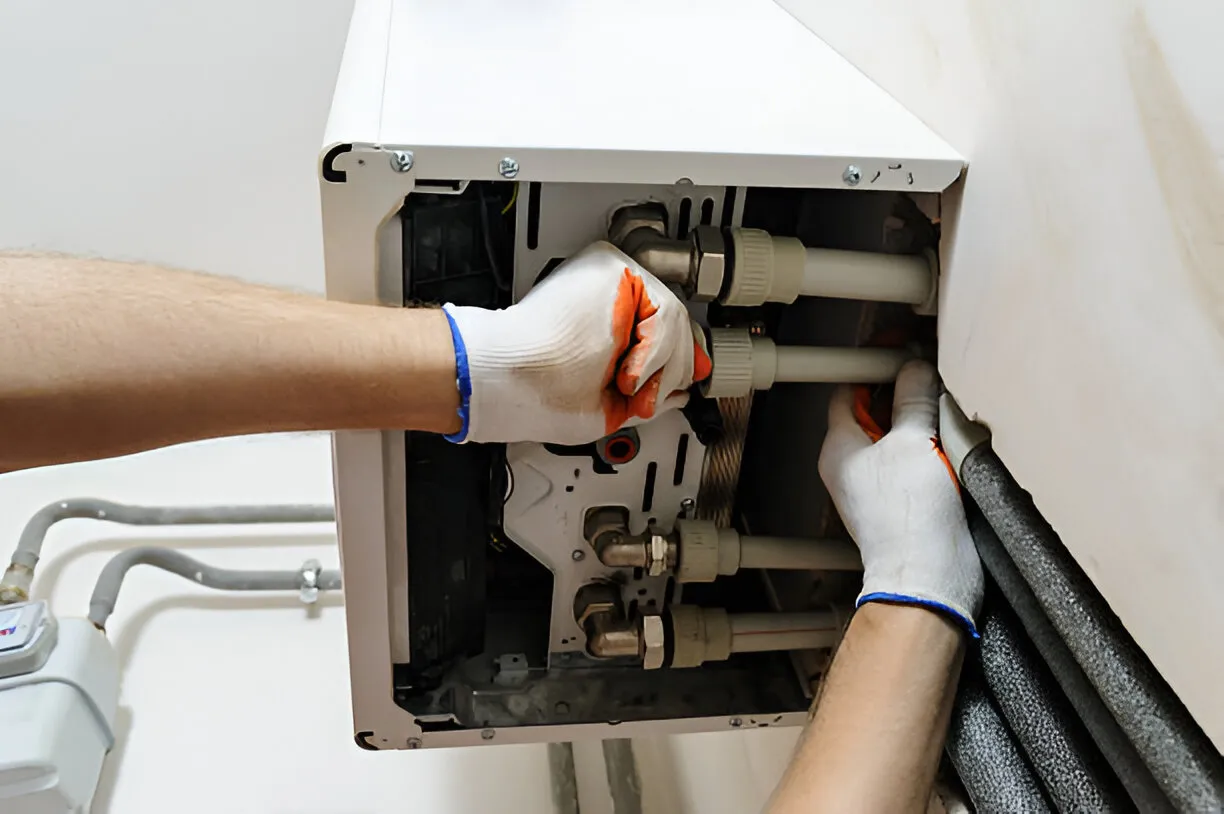
Why a professional heating installation matters in OSU, OH
- Ohio winters require reliable systems that handle prolonged low temperatures without frequent cycling or breakdowns.
- Many homes near OSU are older or have been converted to multi-occupant use; these layouts can mask ductwork or insulation issues that affect system performance.
- Correct sizing and installation avoid short-cycling, uneven rooms, and high utility bills common when systems are misapplied to the building.
Common heating system options for OSU homes
Choose a system that fits your home’s layout, fuel availability, and long-term efficiency goals:
- Furnaces (gas or electric): Common in Columbus-area homes; gas furnaces offer powerful heat and quick recovery during cold snaps. Look at AFUE ratings to compare efficiency.
- Heat pumps (including ductless mini-splits): Modern cold-climate heat pumps can be an efficient alternative to furnaces, especially in well-insulated homes and milder winter stretches.
- Boilers: Ideal for homes with hydronic baseboards, radiators, or in-floor heating systems; boilers provide steady, comfortable radiant heat.
- Ductless systems: Best for room additions, older homes without ductwork, or targeted comfort zones such as basement apartments common around campus.
Home load assessment and unit sizing (what to expect)
A precise heat load calculation is the foundation of any quality installation. Professionals will:
- Perform a room-by-room heat loss calculation (following industry standards) that considers insulation, windows, air infiltration, ceiling heights, and occupancy.
- Evaluate existing ductwork or distribution systems to determine if repairs, sealing, or resizing are necessary.
- Recommend equipment sized to meet calculated heating loads, not just the home’s square footage, preventing oversized units that cycle excessively or undersized units that run constantly.
Typical installation steps
A standard new heating installation usually follows these stages:
- On-site assessment and load calculation to determine the right equipment and layout.
- Final equipment selection with efficiency and warranty details reviewed.
- Removal and proper disposal of the old unit, including refrigerant recovery if applicable.
- Installation of new equipment — setting the furnace/boiler/heat pump, connecting gas/electrical/plumbing, and configuring controls.
- Ductwork or piping adjustments, including sealing, insulation, and airflow balancing.
- System startup, safety checks, combustion testing (for gas-fired equipment), and thermostat programming.
- Final inspection and documentation, including instruction on operation and warranty registration.
Energy-efficiency and operating cost considerations
- Compare AFUE for furnaces and boilers, and HSPF/COP for heat pumps. Higher numbers mean better efficiency but balance initial cost with expected utility savings.
- Insulation and air sealing in OSU homes greatly affect system sizing and efficiency; modest shell improvements can allow for a smaller, less expensive system.
- Consider programmable or smart thermostats to reduce wasted runtime in rental properties or homes with variable occupancy.
- Look into local and state incentives, manufacturer rebates, or utility programs that can reduce upfront cost for high-efficiency equipment; these options can meaningfully impact the payback period.
Permits, inspections, and code compliance in OSU
- Most installations in the OSU/Columbus area require permits and must meet local building and mechanical codes. Proper permitting ensures safety, insurance compliance, and resale transparency.
- Gas-fired equipment and major replacements often need combustion air, venting, and gas line inspections. Electrical and mechanical connections are checked for code compliance.
- A professional installer will pull required permits, schedule inspections, and provide the documentation needed for records and warranty activation.
Warranties and what to verify
- Manufacturer warranties typically cover parts for a defined period; longer warranty terms are available for some high-efficiency models.
- Labor warranties cover installation workmanship and vary by installer; confirm how long this protection lasts and what it covers.
- Ask about warranty registration processes and any conditions that could void coverage, such as lack of required maintenance.
- Keep installation paperwork, serial numbers, and inspection certificates organized for future service or resale.
Financing assistance and cost planning
- Financing options can make higher-efficiency systems more affordable over time; plans often include fixed monthly payments and flexible terms to match homeowner budgets.
- Factor operating savings into long-term cost planning—higher-efficiency units usually reduce monthly energy costs and can offset financing payments.
- Discuss available rebates, tax incentives, and utility programs that can reduce upfront costs. A complete installation quote should outline financing options and estimated energy savings.
Common installation challenges in OSU homes and how they’re handled
- Tight mechanical spaces and narrow staircases in older homes: installers use compact equipment options or staged installation plans to minimize disruption.
- Converted multi-tenant homes: zoning strategies, additional thermostats, or ductless solutions can provide individualized comfort control.
- Aging ductwork or radiator systems: repairs, resealing, or partial replacement during installation prevents efficiency losses and poor airflow after new equipment is installed.
Post-installation care and maintenance
- Regular preventive maintenance keeps warranties valid and systems operating efficiently through harsh Ohio winters. Annual or semi-annual tune-ups address filters, burners, heat exchangers, refrigerant levels, and safety controls.
- Maintenance plans that include priority service, inspection visits, and discounts on repairs extend equipment life and reduce unexpected breakdowns.
- Keep a simple maintenance log with dates of filter changes, service visits, and any repairs to preserve warranty support and resale value.
Hot Deals & Cool Savings

.webp)
New Service Agreement Membership
.webp)
Any New Client Service
Next Service for Referring a New Client
New Service Agreement Membership
Any New Client Service
Next Service for Referring a New Client
.webp)
.webp)

Service Areas
