
Heating Replacement in OSU, OH
Heating replacement OSU, OH improves comfort and energy efficiency. Learn more about options, timelines, incentives, and what to expect for OSU-area homes.

Heating Replacement in OSU, OH
Replacing an aging or failing heating system in OSU, OH is about more than restoring warmth. It is a decision that affects monthly energy bills, indoor comfort during cold Columbus winters, home safety, and long-term property value.
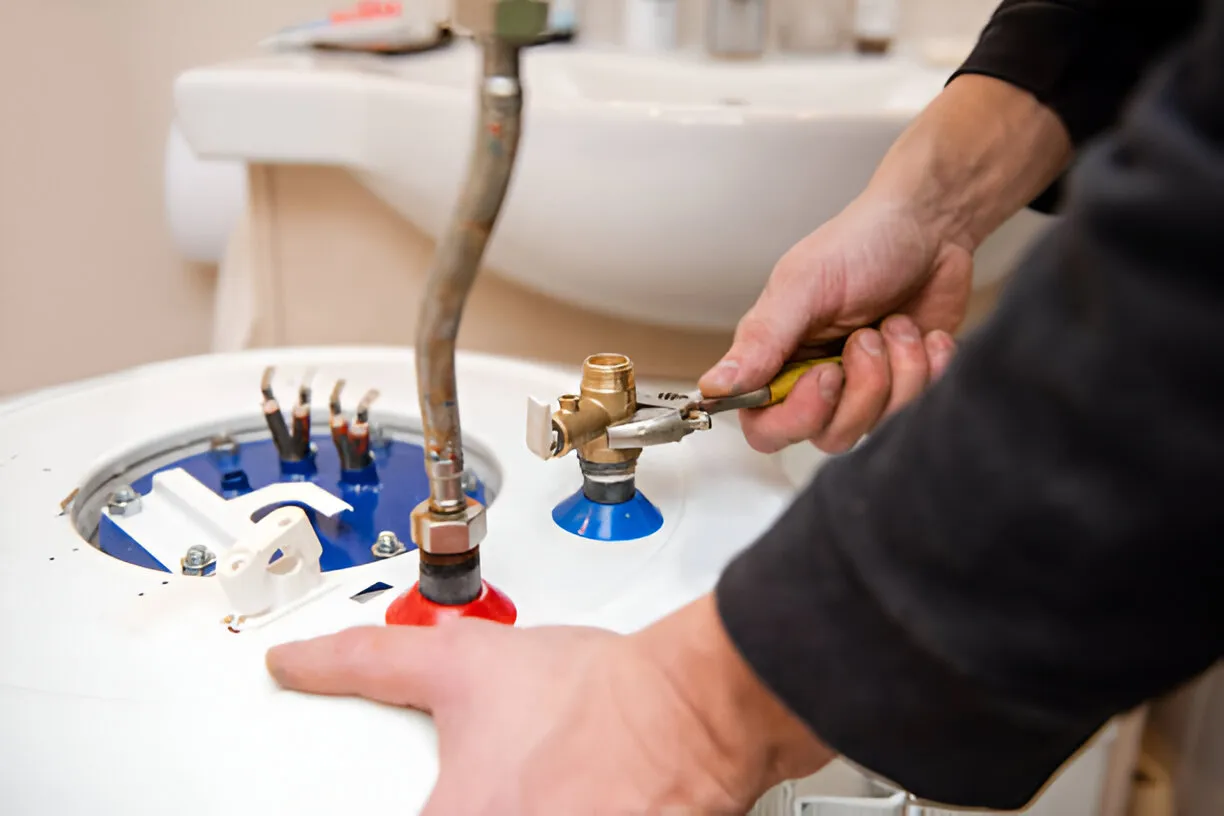
Why replace your heating system in OSU, OH?
OSU and the surrounding Columbus neighborhoods experience long, cold winters with temperatures regularly dipping below freezing. Older furnaces and boilers become less reliable and less efficient over time, increasing heating costs and the risk of breakdown during peak demand. Many homes near OSU are older or converted into multi-unit rentals, where undersized or worn systems struggle to maintain steady temperatures. Replacing an outdated system can cut energy use, reduce repair headaches, and improve safety—especially important in close-quarter campus housing and older construction.
Common heating problems that indicate replacement
- Frequent breakdowns or rising repair bills over multiple seasons
- Unit older than 15–20 years (typical lifespan for many furnaces and boilers)
- Significant efficiency drop: higher fuel bills despite normal usage
- Uneven heating across rooms or long recovery times after thermostat changes
- Persistent safety concerns: cracked heat exchanger, pilot issues, or repeated CO detector triggers
- Difficulty finding replacement parts for obsolete models
- System uses outdated refrigerants or lacks compatibility with modern controls
Inspection and evaluation: what to expect
A thorough pre-replacement evaluation focuses on matching the right system to your home and budget:
- Visual inspection of the current equipment, combustion safety checks, and carbon monoxide screening
- Heat loss calculation for the home to determine correct system size and capacity (not just "like-for-like")
- Assessment of ductwork or pipe condition and distribution efficiency, including leaks and insulation levels
- Review of ventilation, combustion air, and chimney/flue condition for furnaces and boilers
- Discussion of fuel options (natural gas, high-efficiency electric heat pump, dual-fuel systems) and future needs like air conditioning or electrification
- Estimation of annual energy savings for new equipment, using AFUE or HSPF ratings and local weather patterns
Repair vs replacement: how to decide
Consider replacement when:
- Repair costs in a single season approach or exceed 30–50% of a new system’s installed value repeatedly
- The unit is beyond its typical service life (15–20 years for many furnaces, boilers vary)
- Efficiency is significantly lower than modern equipment (older furnaces often 60–80% AFUE vs modern units 95%+ AFUE)
- You plan other home upgrades (insulation, duct sealing, electrical panel) that pair well with a new system
Repair may still be sensible if:
- The issue is isolated and the unit is otherwise in good condition
- You plan to replace the system very soon and need a short-term fix
Recommended modern equipment and expected efficiency gains
- High-efficiency condensing furnaces (AFUE 95%+): better fuel utilization, lower gas bills in OSU winters
- Cold-climate air-source heat pumps: effective down to lower temperatures and provide both heating and cooling; best for homes aiming to reduce fossil fuel use
- Modulating or two-stage furnaces and heat pumps: deliver more consistent temperatures and increased comfort with fewer on/off cycles
- Boilers: modern condensing boilers for homes using radiant heat or hydronic systems; improved efficiency and quieter operation
- ECM blower motors and variable-speed fans: reduce electricity consumption and improve airflow consistency
- Smart thermostats and zoning controls: optimize run times and reduce wasted heating in unoccupied rooms
Typical efficiency improvements can range from 10% to 40% depending on the age and type of the old system, duct condition, and insulation. Replacing a 70% AFUE furnace with a 95% AFUE unit commonly yields significant annual fuel savings in central Ohio’s heating-dominant climate.
Ductwork, ventilation, and airtightness — integral to performance
A new high-efficiency system performs best when paired with well-sealed ducts and proper airflow. Common complementary upgrades include:
- Duct sealing and insulation to prevent heat loss in crawlspaces and attics
- Return and supply balancing or adding zoning for multi-unit or large homes
- Air filtration and humidity control to improve indoor air quality in older OSU homes
Addressing these during replacement maximizes comfort and ROI.
Removal and disposal of old equipment
- Safe removal includes proper disconnection of gas, electrical, and refrigerant lines where applicable.
- Refrigerants must be recovered and disposed of according to EPA regulations; professionals use certified recovery equipment for heat pumps and modern HVAC units.
- Recycling metal components, disposing of insulation and non-recyclable materials at licensed facilities, and providing a disposal manifest if required.
- Permits and inspections: many municipalities, including Columbus-area jurisdictions, require permits and final inspections for major HVAC replacements—these are typically handled as part of the installation process.
Expected timelines
- Initial inspection and estimate: usually completed within a few days of scheduling.
- Equipment selection and ordering: 1–2 weeks depending on model availability; specialty equipment can take longer.
- Typical installation for a straight furnace or heat pump swap: 1–2 full workdays.
- More complex installs (boiler replacements, major ductwork, zoning, or structural changes): 2–4 days or more.
- Permits and inspections can add time—allow 1–3 weeks from decision to completion in busy seasons. Planning replacements in the shoulder seasons (early fall or late spring) often shortens wait times.
Rebates, tax credits, and financing options in Ohio
- Many homeowners qualify for incentives that reduce upfront cost: federal tax credits for certain high-efficiency heat pumps and electrification upgrades, and occasional state or local utility rebates for energy-efficient furnaces, heat pumps, insulation, and controls.
- Utility providers in the Columbus area sometimes offer rebates or rebates on specific equipment models; documentation such as invoices, model numbers, and proof of installation is commonly required.
- Financing solutions are widely available through lenders and manufacturer programs to spread payments over time, often combined with incentive programs for improved affordability.
- When planning a replacement, gather rebate eligibility details early—eligibility often depends on equipment specifications, contractor certification, and timely submission of paperwork.
Long-term benefits and maintenance after replacement
- Lower and more predictable energy bills, especially during OSU’s cold months
- Improved comfort with more consistent indoor temperatures and humidity control
- Enhanced safety: newer equipment reduces carbon monoxide and combustion-related risks
- Increased home value and appeal to renters or buyers in the OSU market
Post-installation maintenance: schedule annual tune-ups, change filters regularly, and keep vents clear. A maintenance plan extends equipment life and preserves warranty coverage.
Replacing your heating system in OSU, OH is a decision that pays off in comfort, safety, and energy savings. A careful inspection, right-sized equipment selection, attention to ductwork and controls, and awareness of available incentives will ensure the replacement fits your home type, local climate needs, and long-term goals.
Hot Deals & Cool Savings

.webp)
New Service Agreement Membership
.webp)
Any New Client Service
Next Service for Referring a New Client
New Service Agreement Membership
Any New Client Service
Next Service for Referring a New Client
.webp)
.webp)

Service Areas
