
Heating Service in Hilliard, OH
Heating service in Hilliard, OH delivering expert diagnostics, safe repairs, and efficient installations. Schedule now for reliable warmth and comfort.

Heating Service in Hilliard, OH
Cold winters and fluctuating shoulder seasons make reliable heating essential for Hilliard, OH homes and businesses. Professional heating service in Hilliard keeps systems safe, efficient, and ready when temperatures drop. Below you’ll find a clear, expert overview of common heating problems in the area, how diagnostics and repairs work, what to expect from installations or replacements, energy-efficiency options, service agreement benefits, financing realities, and how emergency service calls are typically handled.
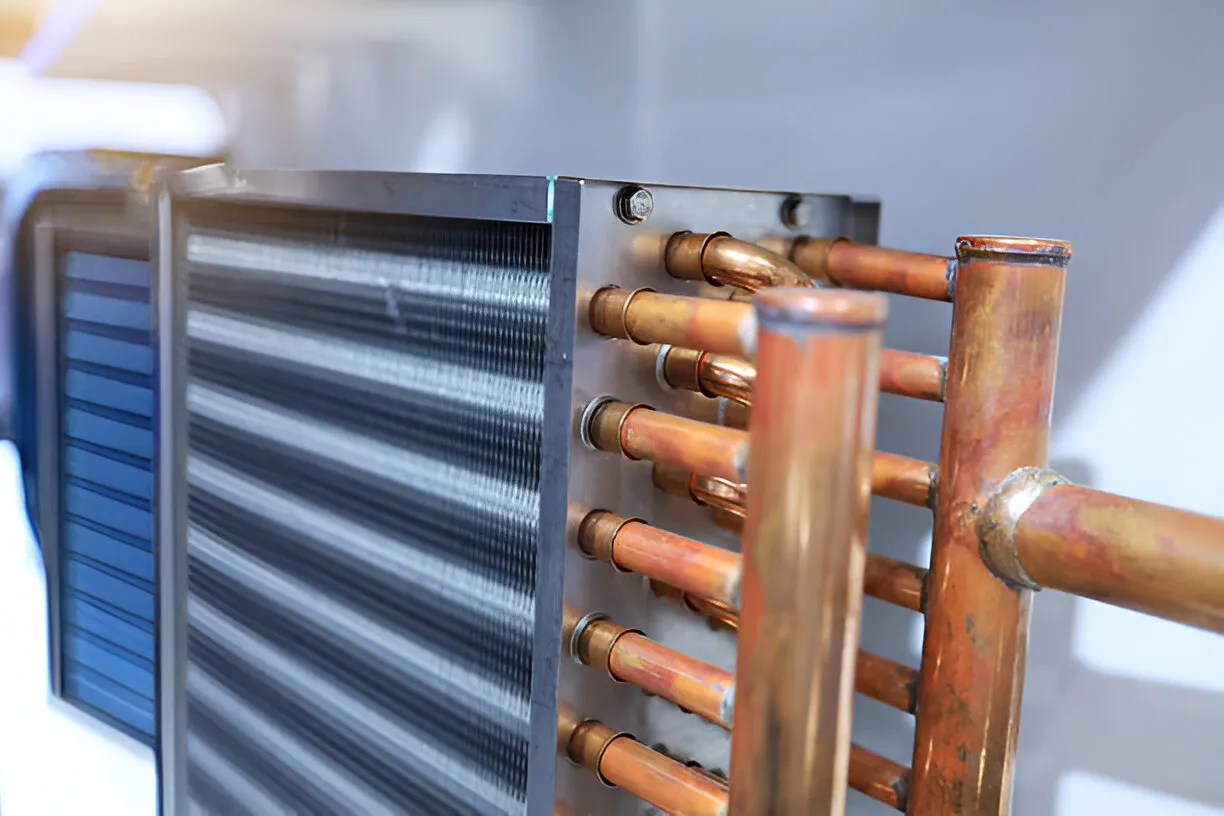
Why local heating service matters in Hilliard
Hilliard experiences chilly winters, occasional subfreezing nights, and humid summers that stress HVAC systems during transitional seasons. Older neighborhood homes often have aging furnaces or mixed heating systems, and soil-settlement or attic insulation gaps can affect duct performance. Local technicians understand these regional patterns and common system types—natural gas furnaces, boilers, heat pumps, and ductless systems—and can recommend solutions that match Hilliard weather and housing stock.
Common heating problems in Hilliard homes
- Uneven temperatures or cold rooms — often caused by duct leaks, blocked vents, or improper system sizing
- Short cycling (furnace turns on/off rapidly) — usually related to airflow restriction, thermostat problems, or a failing control board
- No heat or intermittent heat — ignitor failure, pilot/ignition issues, or fuel supply interruptions
- Rising utility bills with no service change — aging equipment or declining efficiency due to worn components or dirty heat exchangers
- Strange noises or odors — loose components, failing blower motors, or combustion issues that require immediate inspection
- Carbon monoxide concerns — cracked heat exchangers or blocked flues that must be diagnosed and corrected for safety
Diagnostic process: how a thorough inspection works
A structured diagnostic saves time and prevents unnecessary repairs. Typical diagnostic steps include:
- Visual inspection of furnace/boiler, venting, and surrounding components
- Safety checks: carbon monoxide test, flue draft, and combustion integrity (for fuel-burning systems)
- Electrical checks: controls, relays, and wiring continuity
- Airflow and duct assessment: static pressure, filter condition, and vent obstructions
- Performance measurements: temperature rise, burner operation, and system cycle behavior
- Thermostat calibration and system controls verification
After diagnostics, you receive an explanation of root causes, prioritized repair options, and, when appropriate, an honest assessment of whether repair or replacement is the more cost-effective choice.
Routine repairs and common solutions
- Replacing air filters, cleaning burners, and servicing ignitors to restore reliable ignition
- Repairing or replacing blower motors, belts, and capacitors to fix poor airflow or noisy operation
- Sealing or repairing duct leaks, adding insulation to ducts in unconditioned spaces to reduce heat loss
- Fixing thermostat wiring or replacing outdated thermostats for better control and efficiency
- Addressing pilot/ignition system failures, control board malfunctions, and exchanging faulty sensors
Technicians prioritize safety fixes first (combustion or CO risks), then restore performance and efficiency.
Installation and replacement considerations
When replacement makes sense—frequent breakdowns, parts scarcity, or efficiency losses—the process typically follows these steps:
- Load calculation (Manual J) to determine correct equipment size for the home or business
- Selecting equipment with appropriate AFUE ratings, staged burners, or heat pump capacity based on local climate needs
- Evaluating ductwork and making necessary repairs or resizing to ensure proper airflow and balanced comfort
- Proper venting, combustion air provisioning, and code-compliant installation for fuel-burning systems
- Commissioning and performance testing to confirm system efficiency and manufacturer warranty requirements
Right-sized equipment and properly configured controls usually deliver the best balance of comfort and operating cost in Hilliard’s climate.
Energy-efficiency recommendations
- Upgrade to a high-efficiency furnace (higher AFUE) or a modern cold-climate heat pump to lower annual heating costs
- Install a programmable or smart thermostat to reduce runtime during unoccupied periods
- Seal and insulate ductwork and add attic or wall insulation to reduce heat loss common in older Hilliard homes
- Schedule seasonal tune-ups to maintain efficiency, including cleaning heat exchangers and checking combustion tuning
- Consider zoning solutions or ductless mini-splits for additions, garages, or rooms with unique heating needs
Small investments in efficiency often pay back through lower utility bills and improved comfort.
Service agreements and maintenance plans
A formal service agreement offers peace of mind and predictable system care. Typical benefits include:
- Regular preventive maintenance visits (commonly annual or semi-annual) to extend equipment life
- Priority scheduling during peak cold spells and holidays
- Discounted service call rates and parts on repairs
- Safety inspections and seasonal performance checks to reduce breakdown risk
- Documentation for warranty compliance and resale value
For Hilliard homeowners, a maintenance plan is a practical way to avoid last-minute emergencies and reduce long-term operating costs.
Financing and payment options for replacements
When replacement or larger repairs are necessary, homeowners often have financing options to spread equipment costs over time. Common structures include:
- Low-interest or deferred-interest financing subject to credit approval
- Monthly payment plans that match equipment life with manageable payments
- Energy-efficiency incentives or rebates (when available) that can lower upfront cost
Financing makes it easier to choose higher-efficiency equipment now, which can lower monthly energy bills and improve comfort in the long run.
Emergency heating service: what to expect
Emergency heating service is focused on safety and rapid restoration. Typical emergency response protocols include:
- Triage to determine safety risk and prioritize immediate hazards (no heat with freezing temps, suspected carbon monoxide, or gas odor)
- Technician dispatch with basic replacement parts and diagnostic tools to perform on-site stabilization
- Temporary measures to restore heat safely when a complete repair or replacement requires parts or additional work
- Follow-up plan that outlines next steps, parts lead times, and scheduling for full repair or installation
During severe cold snaps in Hilliard, technicians also often advise temporary safety steps to reduce further damage to pipes and systems while a professional is en route.
Making the decision: repair vs replace
Consider replacement when:
- Equipment is older than 15 years and repairs are increasingly frequent
- Repair costs approach a significant percentage of replacement cost
- Efficiency has declined and utility bills are steadily rising
- Safety concerns such as heat exchanger damage exist
If the system is relatively new and the issue is isolated, targeted repairs plus an ongoing maintenance plan are usually the best path.
Preventive tips for Hilliard homeowners
- Replace filters regularly and keep vents unblocked to maintain airflow
- Keep outdoor units and vents clear of leaves, debris, and snow in winter
- Schedule inspection before peak heating season to catch issues early
- Monitor energy bills and notice sudden increases that may indicate efficiency loss
Professional heating service in Hilliard, OH focuses on safety, efficiency, and reliability tailored to local weather and housing needs. Proper diagnostics, routine maintenance, and thoughtful replacement choices help keep homes comfortable and systems operating efficiently through Ohio winters.
Hot Deals & Cool Savings

.webp)
New Service Agreement Membership
.webp)
Any New Client Service
Next Service for Referring a New Client
New Service Agreement Membership
Any New Client Service
Next Service for Referring a New Client
.webp)
.webp)

Service Areas
