
Furnace Replacement in Hilliard, OH
Furnace replacement in Hilliard, OH with expert installation, sizing, and energy savings. Learn more about warranties, rebates, and financing.

Furnace Replacement in Hilliard, OH
Choosing the right furnace replacement for your Hilliard, OH home can cut winter discomfort, lower energy bills, and improve indoor air quality. Hilliard winters are cold and can be long enough that an inefficient or undersized furnace quickly becomes an expensive nuisance.
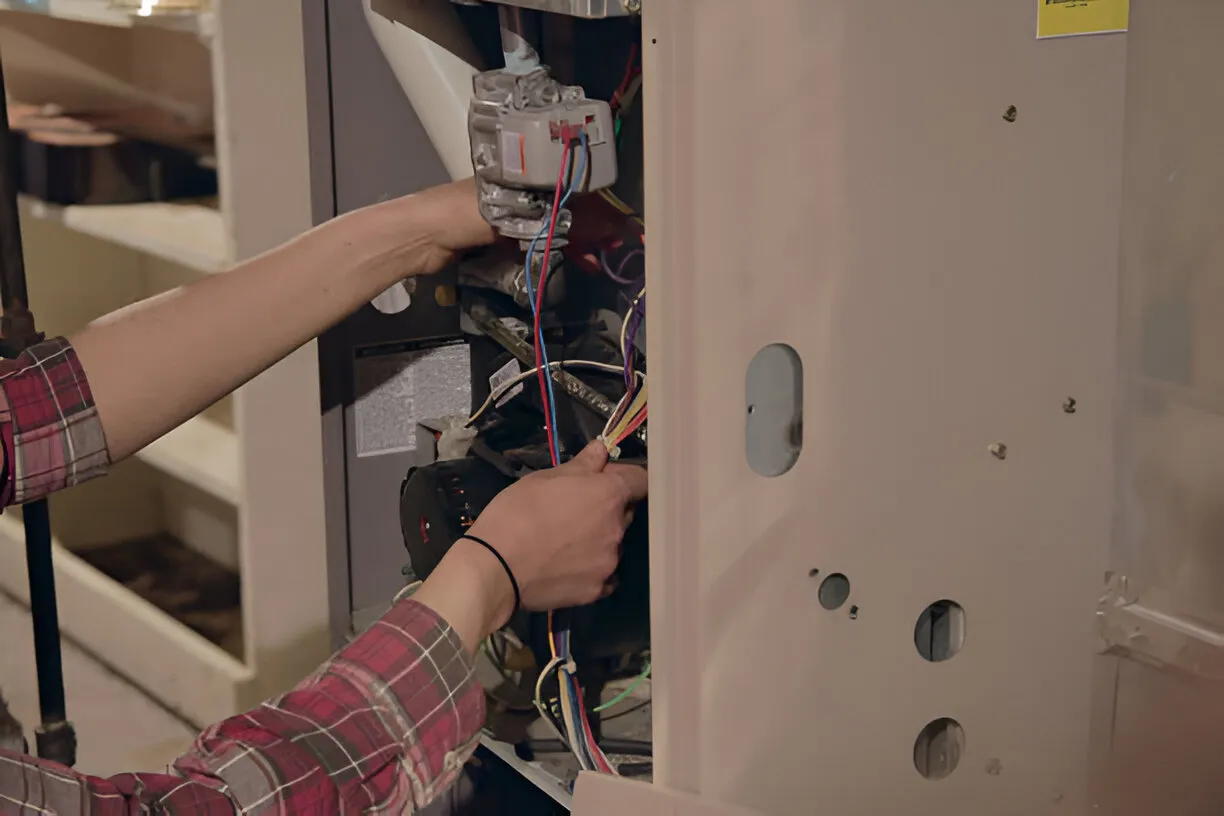
Why replace your furnace now
- Your furnace is more than age: frequent breakdowns, rising repair costs, uneven heating, or a pilot/ignition problem are signs replacement may be a better long-term option.
- Modern high-efficiency furnaces perform better in cold Central Ohio winters and reduce fuel consumption compared with units installed 10–20 years ago.
- Replacement eliminates safety risks from cracked heat exchangers and reduces carbon monoxide risk when properly installed and tested.
Furnace types and AFUE efficiency comparisons
AFUE (Annual Fuel Utilization Efficiency) measures how much fuel becomes heat for your home. Higher AFUE means lower fuel use for the same heat output.
- Standard-efficiency gas furnaces: typically 80% AFUE. Common in older installations; lower upfront cost but higher annual fuel spending.
- Mid-efficiency models: ~85%–90% AFUE. A compromise between cost and savings.
- High-efficiency condensing furnaces: 92%–98.5% AFUE. Capture additional heat from exhaust gases, offering the best fuel savings in cold climates.
- Electric furnaces and heat pumps: electric furnaces have near-100% AFUE on paper but usually cost more to operate depending on electricity prices. Heat pumps are efficient when paired with a supplemental system in colder Ohio winters.
Example comparison: upgrading from a 70% AFUE furnace to a 95% AFUE condensing model can reduce fuel consumption by roughly 26%, all else equal. Actual savings depend on local fuel prices, home envelope, and thermostat habits.
Sizing and load calculations (why it's critical)
Correct sizing prevents short-cycling, improves comfort, and extends equipment life. Oversized furnaces cost more upfront and cycle frequently; undersized units cannot maintain temperature on cold days.
Key steps in a professional sizing process:
- Perform a Manual J heat loss calculation to determine the exact BTU demand based on square footage, insulation levels, windows, doors, air infiltration, and orientation.
- Review ductwork using Manual D to ensure airflow meets the new unit’s requirements; poor duct design can negate a high-efficiency furnace’s benefits.
- Select equipment per Manual S to match capacity, efficiency, and application (e.g., single-family, multi-story).
- Account for Hilliard-specific factors: older local homes may have higher infiltration and less insulation, while newer builds often have tighter envelopes and lower heating loads.
Typical central-heating systems for Hilliard homes range broadly; the only reliable method to choose capacity is a full heat loss assessment.
Removal and disposal of old units
Safe removal protects your home and follows Franklin County disposal rules.
- Our approach to removal typically includes shutting off fuel and electrical sources, disconnecting venting and combustion air, and safely unbolting the unit.
- Recyclable materials (steel, copper, aluminum) are separated and recycled whenever possible.
- If asbestos or other hazardous materials are suspected in older venting or duct insulation, a professional assessment and abatement plan are followed.
- Proper disposal includes documentation and adherence to local environmental regulations.
The installation process — what to expect
A reliable replacement follows a structured process to ensure safety and performance.
- Pre-install inspection: inspect ductwork, flue, combustion air supply, thermostat compatibility, and electrical connections.
- Permits and code compliance: obtain required local permits and meet mechanical code requirements for venting, clearances, and combustion safety.
- Removal of the old furnace and any necessary duct modifications.
- Installation of the new unit, including proper venting, condensate management if condensing, and secure mounting.
- Commissioning: start-up procedures, gas pressure checks, combustion analysis, airflow balancing, and thermostat calibration.
- Safety testing: leak checks, carbon monoxide testing, and verification of proper ignition and limit controls.
- Final walkthrough: explanation of operation, filter types and replacement intervals, and warranty registration details.
Most complete replacements for typical homes are done within a day, though complex ductwork or structural challenges can extend the timeline.
Warranties, rebates, and incentives
- Manufacturer warranties vary; common coverage includes 10 years for heat exchangers on high-efficiency models and shorter terms for parts. Extended warranties and maintenance agreements can add coverage—registration often required to validate.
- Federal tax credits and state or utility rebates sometimes apply to high-efficiency furnaces or whole-home upgrades. Local utilities and manufacturers periodically offer incentives for ENERGY STAR certified equipment or systems that reduce demand.
- Keep documentation (model/serial numbers, receipts, installation date) to support rebate applications and warranty claims.
Financing options
Many homeowners use financing to spread the upfront cost over time. Typical options include:
- Installment loans with fixed monthly payments and set terms.
- Deferred-interest or promotional financing for qualified buyers.
- Energy-specific loan programs that tie payments to expected energy savings.
Eligibility depends on credit and program specifics. When considering financing, compare total interest, terms, and how projected energy savings impact payback.
Expected energy savings and payback
- Energy savings depend on AFUE improvement, local natural gas prices, usage patterns, and how well the home is insulated.
- Illustrative example: replacing a 70% AFUE furnace with a 95% AFUE unit reduces annual fuel use by about 26%. If your annual heating fuel cost is $1,200, that could translate to roughly $300 per year in savings.
- Combining a high-efficiency furnace with thermostat setbacks, air sealing, and adding insulation can accelerate payback and increase comfort.
Maintenance and long-term performance
To protect efficiency and warranty coverage:
- Schedule annual furnace tune-ups before the heating season to inspect combustion, clean burners, check heat exchangers, and verify safety controls.
- Replace filters regularly (every 1–3 months depending on filter type and household conditions).
- Keep vents and returns unobstructed and ensure proper combustion air supply.
- Consider joining a maintenance plan to get prioritized service and discounts, which helps sustain efficiency and extends equipment life.
Replacing your furnace is a technical decision with long-term financial and comfort implications — especially in Hilliard’s climate. A properly sized, professionally installed high-efficiency furnace, paired with ductwork assessment and routine maintenance, will deliver consistent warmth, improved indoor air quality, and measurable fuel savings through cold Ohio winters.
Hot Deals & Cool Savings

.webp)
New Service Agreement Membership
.webp)
Any New Client Service
Next Service for Referring a New Client
New Service Agreement Membership
Any New Client Service
Next Service for Referring a New Client
.webp)
.webp)

Service Areas
