
Furnace Tune-Up in Hilliard, OH
Furnace Tune-Up Service in Hilliard, OH improves safety and efficiency. Learn more and schedule your professional tune-up today.

Furnace Tune Up in Hilliard, OH
A focused furnace tune up in Hilliard, OH keeps your home warm, safe, and energy-efficient through the cold Ohio months. Winters here bring repeated freeze-thaw cycles and sustained low temperatures that put extra strain on heating systems. A professional tune up corrects performance issues before they become breakdowns, reduces fuel use, and verifies safe combustion — all important in older suburban homes around Hilliard where furnaces are often the primary heat source.
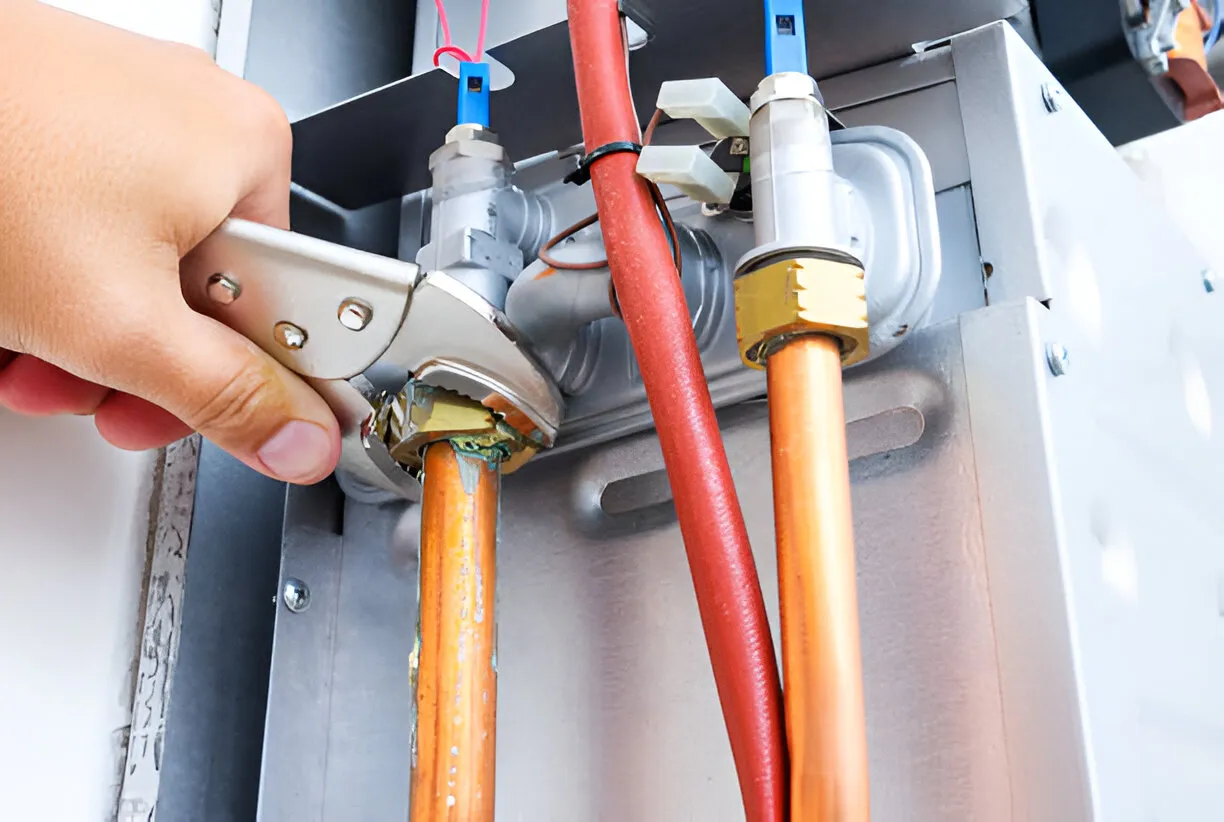
Why a furnace tune up matters in Hilliard, OH
- Hilliard’s winter temperatures and frequent on/off cycling increase wear on burners, blowers, and controls.
- Seasonal pollen and spring-cleaning debris can clog combustion and vent paths before heating season.
- Older installations and homes with tighter insulation trap combustion byproducts unless the furnace and venting are properly inspected.A tune up addresses these location-specific stresses and reduces the chance of a mid-winter failure.
Common furnace problems in Hilliard homes
- Uneven heating or short cycling during cold snaps
- Higher than expected heating bills after previous seasons
- Sooting, yellow burner flames, or intermittent ignition
- Loud blower or rattling noises on startup
- Frequent filter clogging and poor indoor air qualityThese are often symptoms of dirty burners, misadjusted gas pressure, failing blowers, or clogged airpaths — all fixable in a single focused visit.
What a focused furnace tune-up includes
The following checklist outlines the core safety and performance checks performed during a typical professional furnace tune up in Hilliard, OH:
Safety and combustion checks
- Visual inspection of heat exchanger for cracks, corrosion, or signs of leakage
- Flue and venting inspection to ensure proper draft and no obstructions
- Carbon monoxide and combustion gas testing to verify safe operation
- Check of safety controls and limit switches
Performance, cleaning, and adjustments
- Clean or remove and vacuum burners and combustion area
- Clean or brush the flame sensor and ignition components
- Inspect and clean blower wheel and motor housing
- Check and replace or recommend furnace air filter
- Tighten electrical connections and inspect wiring for wear
- Lubricate motors and bearings where applicable
- Check and calibrate thermostat setpoints and differential
- Verify gas pressure and adjust burner air/gas mixture for proper flame
- Inspect and clear condensate drains on high-efficiency units
Airflow and distribution
- Measure static pressure and inspect supply/return registers
- Verify duct connections and look for obvious leaks or disconnections
- Recommend duct cleaning or repairs if restricted airflow is found
Diagnostic process — what happens during the visit
- Initial walk-through to document symptoms, age, and maintenance history.
- Safety-first start: inspect flue, heat exchanger, and combustion for obvious hazards.
- Replace or inspect filter, then run the system while measuring temperatures, pressures, and airflow.
- Use combustion analyzers on gas units to measure efficiency and carbon monoxide levels.
- Test electrical components, capacitors, and motors to identify marginal parts.
- Perform targeted cleaning and adjustments, then re-test to compare before/after values.
- Provide a clear summary of findings and recommended next steps for parts or repairs.
Recommended parts and replacement schedule
Regular replacement of a few key components prevents most mid-season failures:
- Air filter: inspect every 1–3 months during heating season; replace as needed
- Thermostat batteries/sensors: annually
- Flame sensor or igniter: inspect annually; replace if corroded or failing
- Belts (if present): inspect annually; replace on visible wear or cracking
- Capacitors and relays: test annually; replace if electrical testing shows degradation
- Heat exchanger: inspected annually; replacement only if cracked or irreparably corroded
High-efficiency furnaces also require periodic condensate trap and drain checks. For systems older than 12–15 years, component replacement decisions should weigh repair cost versus expected remaining life.
Efficiency improvements and expected benefits
- Typical tune ups reduce energy use by 5–15% depending on system condition, thermostat settings, and duct efficiency.
- Improved combustion tuning returns more heat from the same fuel and stabilizes flame characteristics for safer operation.
- Cleaner blowers and unobstructed airflow reduce run-times and fan energy consumption.
- Preventing a mid-winter breakdown lowers emergency repair risk and the inconvenience of heating outages during Hilliard cold snaps.
- Properly maintained systems have longer service life and more reliable seasonal performance.
What you’ll notice after a professional tune up
- Quieter start-up and steady operation with fewer cycles
- More even heat distribution throughout rooms
- Lower and more consistent utility usage compared to an unserviced season
- Cleaner indoor air with fewer dust and allergen recirculations (when filters and blower are cleaned)
- Confirmed safe combustion and reduced risk of carbon monoxide hazards
Scheduling frequency and practical timing in Hilliard
- Annual furnace tune ups, ideally performed in early fall before sustained cold weather, are recommended for safe, efficient winter operation in Hilliard, OH.
- Households with pets, smokers, or higher dust loads may benefit from semi-annual inspections or a maintenance plan with check-ups before heating and cooling seasons.
- A focused tune up typically takes 45–90 minutes depending on system type, access, and whether additional repairs or parts replacements are needed.
Maintenance tips for Hilliard homeowners
- Change or clean the filter monthly during heavy-use months.
- Keep vents and returns unobstructed and check for visible duct leaks in basements and attics.
- Clear shrubbery and debris from around outdoor vent terminations to maintain proper airflow.
- Note unusual sounds, odors, or frequent cycling and schedule a professional inspection before cold weather deepens.
A focused furnace tune up provides measurable safety and efficiency gains tailored to Hilliard’s climate and housing stock. Regular maintenance keeps heating systems operating reliably through the cold months, reduces energy waste, and extends equipment life while protecting indoor comfort and safety.
Hot Deals & Cool Savings

.webp)
New Service Agreement Membership
.webp)
Any New Client Service
Next Service for Referring a New Client
New Service Agreement Membership
Any New Client Service
Next Service for Referring a New Client
.webp)
.webp)

Service Areas
