
Heating Repair in Hilliard, OH
Fast heating repair in Hilliard, OH with expert diagnostics and safe, lasting fixes. Schedule service today for reliable warmth, upfront pricing, and emergency options.

Heating Repair in Hilliard, OH
When your heating system fails in Hilliard, OH, you need fast, accurate diagnostics and repairs that restore safe, reliable warmth. Winters in central Ohio are cold and unpredictable, with freeze-thaw cycles, occasional heavy snow, and temperature swings that put extra stress on furnaces, boilers, and heat pumps.
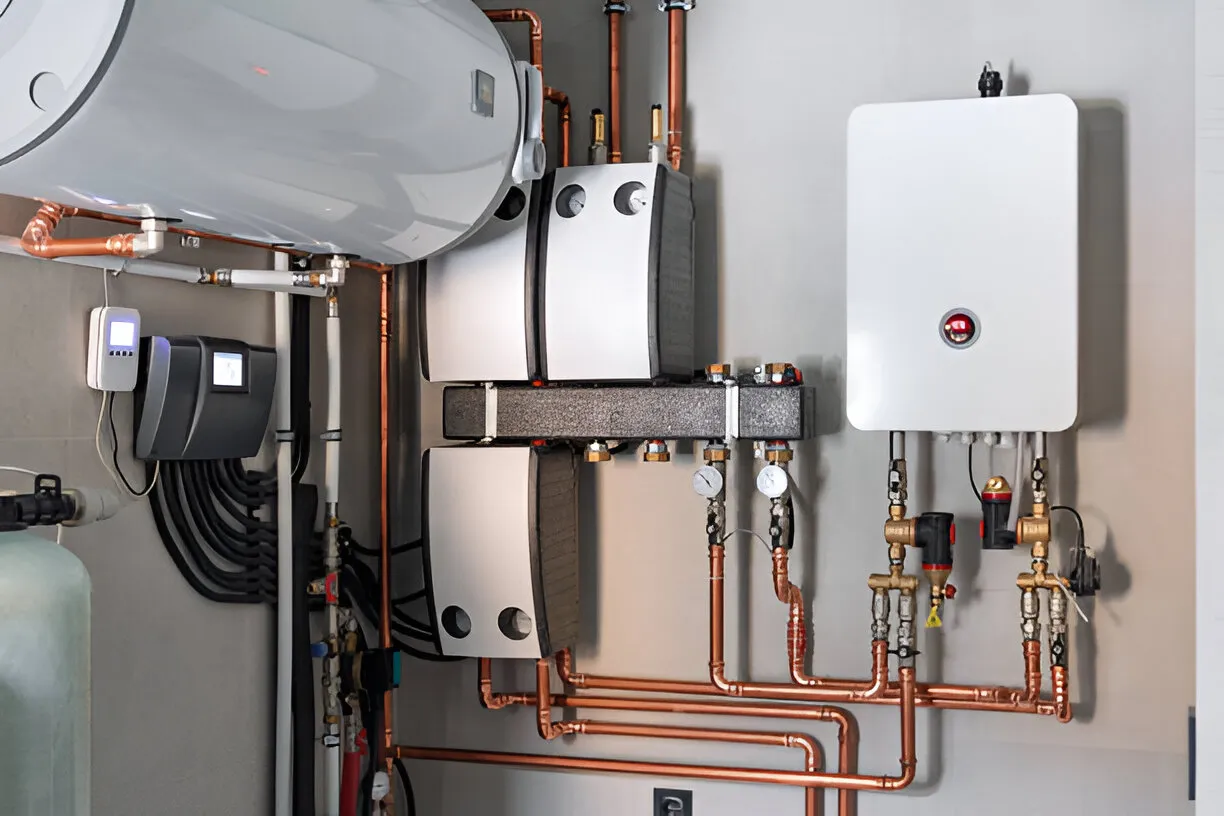
Common heating systems in Hilliard homes
- Furnaces (gas and electric) — the most common forced-air option in local homes and older neighborhoods.
- Boilers (hot water and steam) — common in homes with radiators or baseboard heat.
- Heat pumps and ductless split heat pumps — increasingly used for their efficiency, especially in moderate shoulder seasons.
- Hybrid systems and smart thermostats — combinations of heat pump + furnace controlled by modern thermostats.
Typical problems homeowners see in Hilliard
- No heat or insufficient heat during cold snaps.
- Intermittent operation or short cycling.
- Strange noises: banging, rattling, or high-pitched squeals.
- Pilot light or ignition failures on gas furnaces and boilers.
- Uneven heating or cold spots in the house.
- Frozen condensate lines or refrigerant-related issues on heat pumps.
- Visible leaks around boilers, corroded piping, or low water pressure.
- Poor airflow due to clogged filters, duct issues, or a failing blower motor.
- Odors (burning, rotten eggs) indicating electrical problems or potential gas leaks.
How diagnostics are performed
A clear, methodical diagnostic process is key to accurate, long-lasting repairs. Professional technicians typically follow these steps:
- Safety and visual inspection - check for gas smells, carbon monoxide risk, proper venting, and visible damage.
- Thermostat verification - confirm correct settings and rule out control issues.
- Power and electrical checks - verify breakers, fuses, and control board function.
- Fuel and ignition evaluation - inspect burners, pilot assembly or electronic ignition, gas pressure, and valves for gas appliances.
- Airflow and distribution - assess filters, blower motor, ductwork, flues, and vents for obstructions or leaks.
- Component testing - test motors, capacitors, relays, sensors, pressure switches, and heat exchangers where accessible.
- System-specific checks - refrigerant levels and reversing valves on heat pumps; water pressure, expansion tanks and circulator pumps on boilers.
- Performance verification - measure temperature rise, combustion efficiency (when required), and run the system through a full cycle.
This diagnostic approach avoids unnecessary part swaps and ensures the repair addresses the root cause.
Common repair procedures explained
- Igniter or pilot replacement - modern electronic igniters are common and typically restored quickly; older pilot assemblies may need cleaning or adjustment.
- Blower motor and capacitor repairs - restoring airflow improves heat distribution and efficiency.
- Control board and thermostat replacements - fixes intermittent failures and communication errors between components.
- Heat exchanger assessment - cracks or severe corrosion often require system replacement for safety; technicians will test and explain options.
- Refrigerant leak repair and recharge (heat pumps) - locating and repairing leaks, then recharging to manufacturer specs.
- Circulator pump and valve replacements on boilers - restores hot water flow to radiators and zones.
- Combustion and venting repairs - cleaning and realigning flues, replacing draft hoods, or repairing chimneys to ensure safe exhaust.
Technicians will typically clean components, replace failing parts, calibrate controls, and test operation after repairs to confirm performance and safety.
Parts and labor considerations
- Common replacement parts include ignitors, burners, belts, motors, capacitors, control boards, thermostats, pressure switches, and circulator pumps. Heat pump repairs may involve compressors, reversing valves, or coil work. Boilers may need valves, expansion tanks, or tubing repairs.
- Labor time varies by system and complexity: simple part swaps can be completed in 1 to 2 hours, while diagnosing intermittent faults, extensive ductwork repairs, or heat exchanger issues can take longer.
- Safety-first repairs: if a technician identifies unsafe conditions (like a cracked heat exchanger or active gas leak), the system will be shut down and repair or replacement options will be explained.
Technicians aim to be transparent about which repairs are necessary now and which can be deferred, and they explain the expected lifespan implications for major components.
Expected response times and emergency heating repair options
- Non-emergency repairs are often scheduled within 24 to 48 hours, depending on seasonality and parts availability.
- During severe cold snaps or when a system poses a safety risk, emergency response options are prioritized and can include same-day service or after-hours dispatch.
- Emergency service focuses on restoring safe heat quickly: temporary measures (isolating a failed component, setting up safe operation modes) are used while a permanent repair plan is arranged.
- If you detect gas odor or a suspected carbon monoxide issue, evacuate to fresh air immediately and contact emergency services; do not operate the heating system.
Local technicians familiar with Hilliard neighborhoods understand the higher winter demand and will triage calls to address safety and comfort in the coldest hours.
Preventive tips to reduce repairs
- Replace or clean filters regularly to preserve airflow and efficiency.
- Schedule annual maintenance before winter: tune-ups catch small issues early and improve reliability.
- Keep vents and registers clear and ensure proper attic and crawlspace insulation to reduce workload.
- Install and monitor carbon monoxide detectors and ensure furnace/boiler venting remains unobstructed.
- For heat pumps, keep outdoor units free of snow and debris; for boilers, monitor pressure and bleeding radiators in older systems helps maintain circulation.
Why timely repair matters
Prompt, professional heating repair in Hilliard, OH protects your family from cold exposure, prevents secondary damage (like frozen pipes), preserves equipment life, and maintains energy efficiency. Addressing problems early often avoids larger, costlier failures later, and correct repairs restore safe operation with documented testing.
For homeowners in Hilliard, the combination of Ohio winters and aging equipment makes dependable diagnostics and timely repairs a priority. A systematic diagnostic approach, transparent parts and labor explanations, and access to emergency repair options are the core elements that turn a stressful heating failure into a reliable, long-term solution.
Hot Deals & Cool Savings

.webp)
New Service Agreement Membership
.webp)
Any New Client Service
Next Service for Referring a New Client
New Service Agreement Membership
Any New Client Service
Next Service for Referring a New Client
.webp)
.webp)

Service Areas
