
Heating Service in Blacklick, OH
Reliable heating service for Blacklick, OH homes. Includes inspections, diagnostics, minor repairs, safety checks. Schedule now.

Heating Service in Blacklick, OH
Keeping your home warm, safe, and energy-efficient matters in Blacklick, OH. With cold winters, variable shoulder seasons, and the occasional power and weather event that affects central Ohio homes, a dependable heating service protects comfort, prevents costly breakdowns, and reduces safety risks.
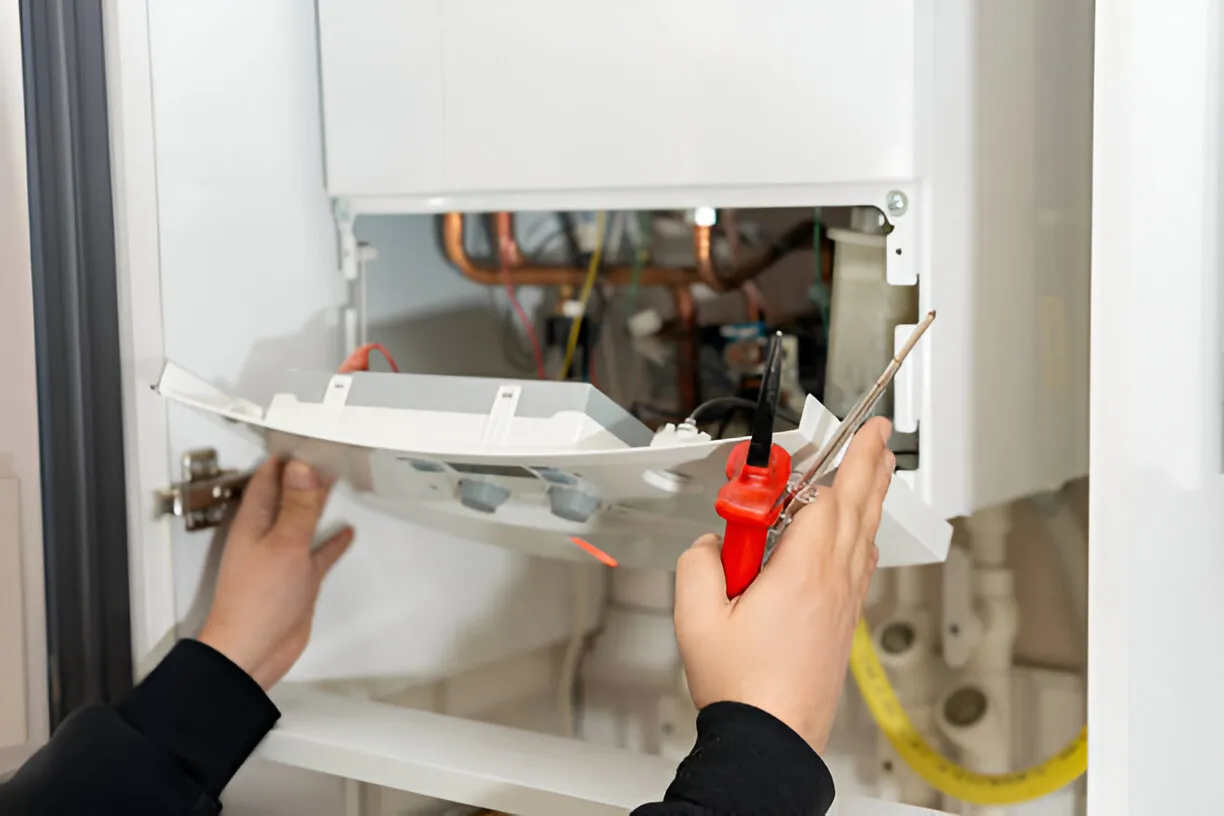
Why professional heating service matters in Blacklick, OH
Blacklick homes face cold, wet winters and humid summers that can accelerate wear on heating systems. Old ductwork, seasonal humidity, and irregular maintenance lead to common problems like short cycling, uneven heat, reduced efficiency, and premature component failure. Regular professional service:
- Extends equipment life and delays costly replacements
- Restores design efficiency to lower utility bills
- Identifies safety hazards such as carbon monoxide leaks or blocked venting
- Keeps warranty requirements intact through documented maintenance
Common heating service issues in Blacklick
Homeowners in Blacklick typically call for service when they notice:
- No heat or intermittent heating during cold spells
- Unusual noises from the furnace or boiler (banging, rattling, squealing)
- Uneven heating between rooms or poor airflow through vents
- Frequent cycling on and off (short cycling)
- Persistent odors or visible soot around appliances
- Rising energy bills with no change in thermostat settings
What a routine inspection includes
A routine inspection is the foundation of preventive heating care. During a typical inspection a technician will:
- Inspect the overall system condition and visible ductwork
- Change or check air filters and advise on replacement schedules
- Test thermostat operation and controls
- Measure airflow and static pressure where appropriate
- Visually examine electrical connections, motors, belts, and components
- Check burner operation, ignition system, and flame quality on gas systems
- Verify safe venting and inspect flue/vent terminations
- Perform a carbon monoxide check around the appliance and in living areas
- Provide a written summary of findings and recommended actions
Inspections should be performed seasonally for best results, typically in the fall before peak heating use, and again in spring for systems that also handle cooling.
Diagnostics: how problems are identified
When a system is not performing, professional diagnostics follow a logical process:
- Interview about symptoms and recent changes (noises, smells, thermostat changes)
- Visual and mechanical inspection of the equipment and connections
- Electrical testing of controls, fuses, capacitors, and motors
- Combustion and draft testing on gas or oil systems to confirm safe combustion
- Airflow and distribution checks to identify blockages or duct leakage
- Component-level testing (igniters, limit switches, pressure switches)Diagnostics reveal whether the issue is repairable on-site, requires part replacement, or indicates end-of-life for the equipment.
Typical minor repairs and on-site fixes
Many faults can be corrected during the initial visit, including:
- Replacing or cleaning air filters
- Replacing flame sensors, igniters, or pilot assemblies
- Tightening or replacing electrical connections
- Replacing belts and lubricating motors
- Adjusting or replacing thermostats
- Repairing minor gas or water leaks (with appropriate safety shut-offs)
- Resetting controls and clearing error codes
Technicians carry common replacement parts so most minor repairs are completed same day.
Filter and component replacement guidance
Proactive filter and component replacement improves performance and reduces emergency calls:
- Filters: Replace standard filters every 1-3 months; high-efficiency or pleated filters on the schedule recommended by the technician
- Belts and motors: Inspect annually; replace at first sign of wear to avoid breakdown
- Flame sensors, igniters, capacitors, and pressure switches: Replace on failure or as preventive service if near end-of-life
- Thermostats and zone controls: Upgrade or recalibrate to improve comfort and efficiency
A qualified technician will recommend appropriate OEM or equivalent parts and discuss expected service life.
Safety checks and what to watch for
Safety is a primary reason for professional heating service in Blacklick:
- Carbon monoxide testing: Every service should include a CO check around combustion appliances
- Gas leak inspection: Visual leak checks and sensor-based testing where applicable
- Venting and flue inspection: Ensure exhaust gases are routed safely and free of obstructions
- Electrical safety: Verify proper grounding, intact wiring, and safe control operationIf you detect a strong gas odor, persistent headache or dizziness, or CO alarm activation, these are safety signals that warrant immediate emergency response.
Pricing and scheduling expectations
While exact pricing varies by provider and the scope of work, typical patterns include:
- Diagnostic or service visit fee to assess the system (often applied toward repair when performed)
- Labor rates for repairs (flat-rate or hourly depending on provider)
- Parts billed separately with clear part descriptions and warranties
- Maintenance plan pricing is usually subscription-based, covering inspections and priority scheduling
Scheduling is often seasonal: fall and early winter sees higher demand. Booking preventive inspections before the heating season reduces wait times and the likelihood of emergency calls during cold snaps.
Technician qualifications and standards
Look for technicians who are:
- Licensed and insured according to Ohio requirements
- Trained on a range of system types (furnaces, boilers, heat pumps, ductless)
- Background-checked and professional in customer-facing work
- Equipped with combustion analyzers, CO detectors, and modern diagnostic toolsQualified technicians follow manufacturer procedures, document work clearly, and provide transparent recommendations.
Service agreements and emergency service in Blacklick
Service agreements provide predictable upkeep and priority handling:
- Common benefits: scheduled inspections, priority emergency response, discounts on repairs, and documented service records
- Enrollment process: typically involves selecting a plan level, understanding included services and exclusions, and setting up recurring service intervalsEmergency service options vary; many providers offer 24-hour emergency response for loss of heat, suspected gas leaks, or CO alarm activations. Emergency response protocols prioritize safety—isolating hazards, stabilizing systems, and arranging necessary repairs or part replacements.
Maintenance tips to keep your system reliable
- Replace filters on a regular schedule and after high-dust seasons
- Keep vents and returns clear of furniture and debris
- Test carbon monoxide detectors monthly and replace batteries yearly
- Schedule professional inspection before the heating season and after extended downtime
- Note and report any unusual noises, odors, or performance changes early
Regular maintenance and timely repairs make the difference between a single service visit and a major mid-winter replacement. In Blacklick, where winter reliability is essential, informed, professional heating service keeps homes safe, comfortable, and efficient.
Hot Deals & Cool Savings

.webp)
New Service Agreement Membership
.webp)
Any New Client Service
Next Service for Referring a New Client
New Service Agreement Membership
Any New Client Service
Next Service for Referring a New Client
.webp)
.webp)

Service Areas
