
Furnace Replacement in Blacklick, OH
Furnace replacement in Blacklick, OH: cost, financing, and expert installation options. Learn more and schedule your installation today.

Furnace Replacement in Blacklick, OH
Replacing a furnace is one of the biggest decisions for home comfort and energy savings. In Blacklick, OH, where winters are cold and heating demand is concentrated in the late fall through early spring, choosing the right replacement furnace affects comfort, safety, and monthly energy bills.
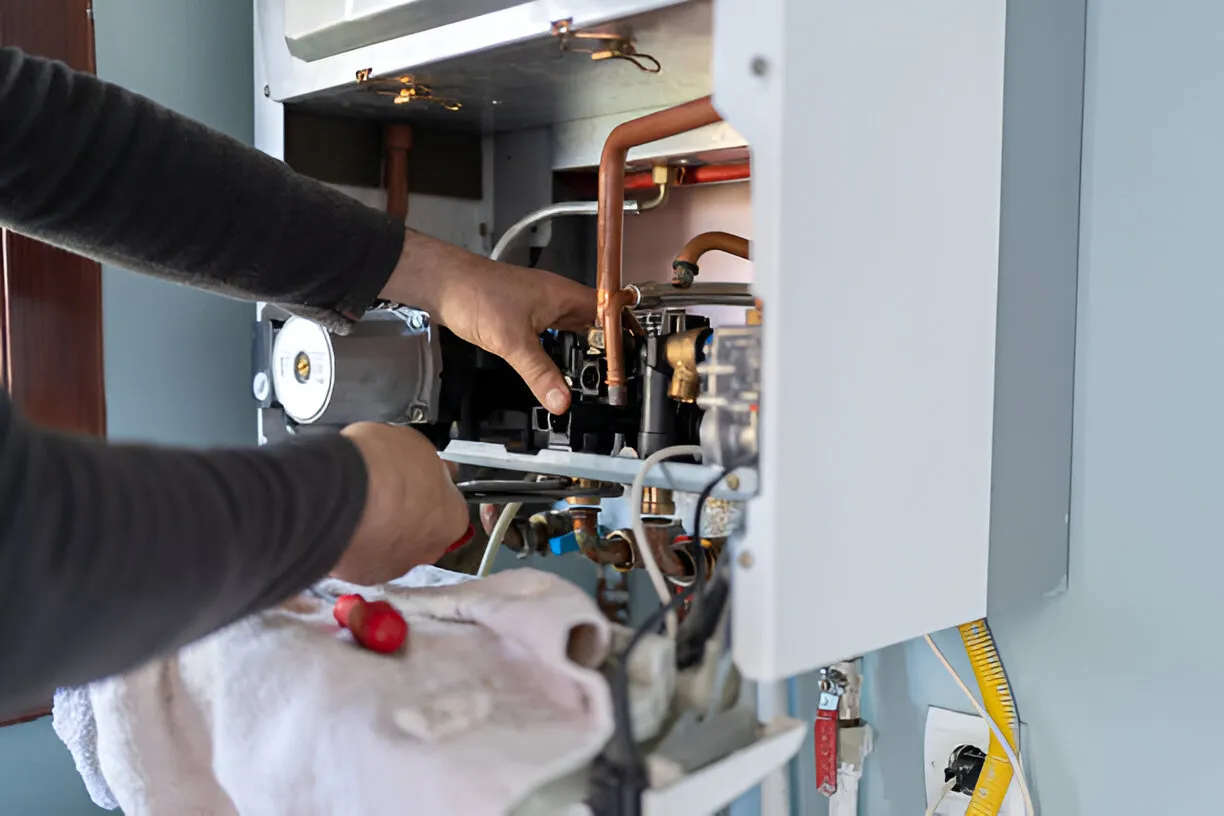
When furnace replacement is recommended
Homeowners in Blacklick should consider replacement when they see one or more of these clear signs:
- Furnace age is 15 to 20 years or older. Older units lose efficiency and are more likely to fail during cold snaps.
- Rising heating bills with no change in thermostat settings. Declining AFUE and worn components can increase fuel use.
- Frequent repairs or parts failures. Repeated service visits signal diminishing returns from repairs.
- Inconsistent heating, cold spots, or short-cycling. These can indicate improper sizing, failing components, or duct issues.
- Strange smells, visible rust, or yellow pilot light (for older gas units). These can be safety concerns that warrant replacement.
- Home remodeling or ductwork changes. A new layout often requires a properly sized modern furnace.
Choosing the right furnace for Blacklick homes
Selecting the correct furnace goes beyond brand preference. Focus on efficiency, proper size, fuel type, and compatibility with existing systems.
- AFUE ratings: AFUE (Annual Fuel Utilization Efficiency) measures how much fuel is converted to heat. In a cold Ohio winter, upgrading from a low-AFUE unit to a high-efficiency model (for example, mid-90s AFUE on modern gas condensing furnaces) typically yields the best balance of comfort and fuel savings. Higher AFUE provides better long-term operating cost control, especially with frequent heating cycles.
- Sizing: Correct sizing requires a Manual J load calculation. Oversized furnaces short-cycle, increasing wear and reducing comfort. Undersized units can run constantly and may not maintain set temperatures during Blacklick cold spells. A load calculation considers home size, insulation levels, window types, and local climate factors.
- Fuel type and compatibility: Natural gas is common in the area, but propane or electric systems may apply in some homes. When paired with existing ducts and a thermostat, choose a furnace that integrates cleanly with ventilation and control systems.
- Features to consider: Variable-speed blowers, two-stage or modulating gas valves, and high-efficiency heat exchangers improve comfort and efficiency. Compatibility with smart thermostats and zoning systems is useful for multi-level or larger Blacklick homes.
Typical installation process
A professional installation follows a predictable, code-compliant sequence to ensure safety and performance:
- Pre-install evaluation: Site visit, Manual J calculation, inspection of existing ductwork, flue, gas line, and electrical supply. This step identifies necessary upgrades before work begins.
- Permitting and scheduling: Local building codes in Franklin County may require permits and inspections.
- Removal of old unit: Technicians safely disconnect gas, venting, and electrical connections, then remove and responsibly dispose of the old furnace and related components.
- Prepare installation area: Update gas piping or electrical circuits if needed, modify or replace venting or chimney connections, and ensure proper combustion air.
- Install new furnace and ancillary components: Set furnace, connect fuel and power, seal duct connections, and install or calibrate the thermostat.
- Commissioning and testing: Start-up includes combustion analysis (if gas-fired), safety checks, airflow testing, and a performance run to verify proper operation across settings.
- Clean-up and documentation: Technicians remove debris, explain operation and warranty items, and leave service documentation.
Removal and disposal of old units
Old furnaces must be decommissioned safely. Proper removal includes:
- Shutting off and capping gas lines.
- Removing and sealing venting or chimney connections to prevent air leaks.
- Recycling metal and non-hazardous components per local regulations.
- Disposing of electronic controls or batteries responsibly.
Safe removal reduces risk of gas leaks, carbon monoxide entry, and lingering air quality issues in older homes.
Cost factors and financing options
Replacement cost depends on several variables rather than a single fixed price:
- Furnace efficiency and model features (basic single-stage vs two-stage or modulating models).
- Required size and complexity of the installation, including ductwork repair, venting changes, or gas line upgrades.
- Accessibility of the installation location and any structural modifications needed.
- Local permit fees and code compliance requirements.
Financing options are commonly available for homeowners who prefer to spread payments over time. Typical choices include home improvement loans, HVAC financing programs, and seasonal utility rebates or incentives that may reduce net cost. Homeowners should review current local and federal incentives and determine whether financing includes warranty coverage or maintenance benefits.
Expected efficiency gains and savings
Replacing a worn furnace with a modern high-AFUE model yields measurable efficiency gains in Blacklick’s heating season. Typical outcomes include:
- Reduced fuel consumption: Upgrading from a low-efficiency older furnace to a mid-90s AFUE unit can lower natural gas usage by a significant margin, depending on starting efficiency, insulation, and usage patterns.
- More consistent indoor comfort: Variable-speed blowers and modulating burners reduce temperature swings and improve humidity control when paired with proper ductwork.
- Reduced repair and maintenance costs over time: Newer units have fewer breakdowns and a warranty-backed parts life.
Actual savings depend on home size, insulation, thermostat settings, and local energy prices.
Warranty and maintenance recommendations
Warranties and routine maintenance protect your investment:
- Manufacturer warranties: Many modern furnaces include limited parts warranties and specific coverage for heat exchangers. Understand what is covered and the registration steps that may be required to keep warranties valid.
- Labor warranties: Installation labor warranties vary; confirm the length and terms with the installer before work begins.
- Annual maintenance: Schedule a professional tune-up before each heating season. Regular service includes cleaning burners, checking safety controls, testing combustion, lubricating motors, and verifying airflow. Annual maintenance preserves efficiency and extends equipment life.
- Homeowner maintenance tasks: Replace filters regularly, keep vents unobstructed, and maintain clear combustion air paths. Consider investing in a programmable or smart thermostat and having ducts sealed and insulated where needed.
Why address furnace replacement now in Blacklick
Blacklick experiences cold winters with extended heating needs. Older furnaces face higher failure risk during peak demand periods when prompt repair availability may be limited. Replacing a unit proactively avoids emergency outages and provides predictable operating costs, improved safety, and more reliable home comfort across the heating season.
Proper selection, accurate sizing, and professional installation—paired with a clear understanding of warranties and an annual maintenance plan—ensure the new furnace performs reliably for years in Blacklick conditions.
Hot Deals & Cool Savings

.webp)
New Service Agreement Membership
.webp)
Any New Client Service
Next Service for Referring a New Client
New Service Agreement Membership
Any New Client Service
Next Service for Referring a New Client
.webp)
.webp)

Service Areas
