
Heating Installation in Blacklick, OH
Professional heating installation in Blacklick, OH: on-site load calculations, proper equipment sizing, permits, and post-install testing for comfort and efficiency. Learn more

Heating Installation in Blacklick, OH
A properly installed heating system keeps your Blacklick home comfortable and energy bills predictable through long Central Ohio winters. Whether you are replacing an aging furnace or switching to a high-efficiency heat pump, the installation process should start with accurate assessment and end with verified safety and performance.
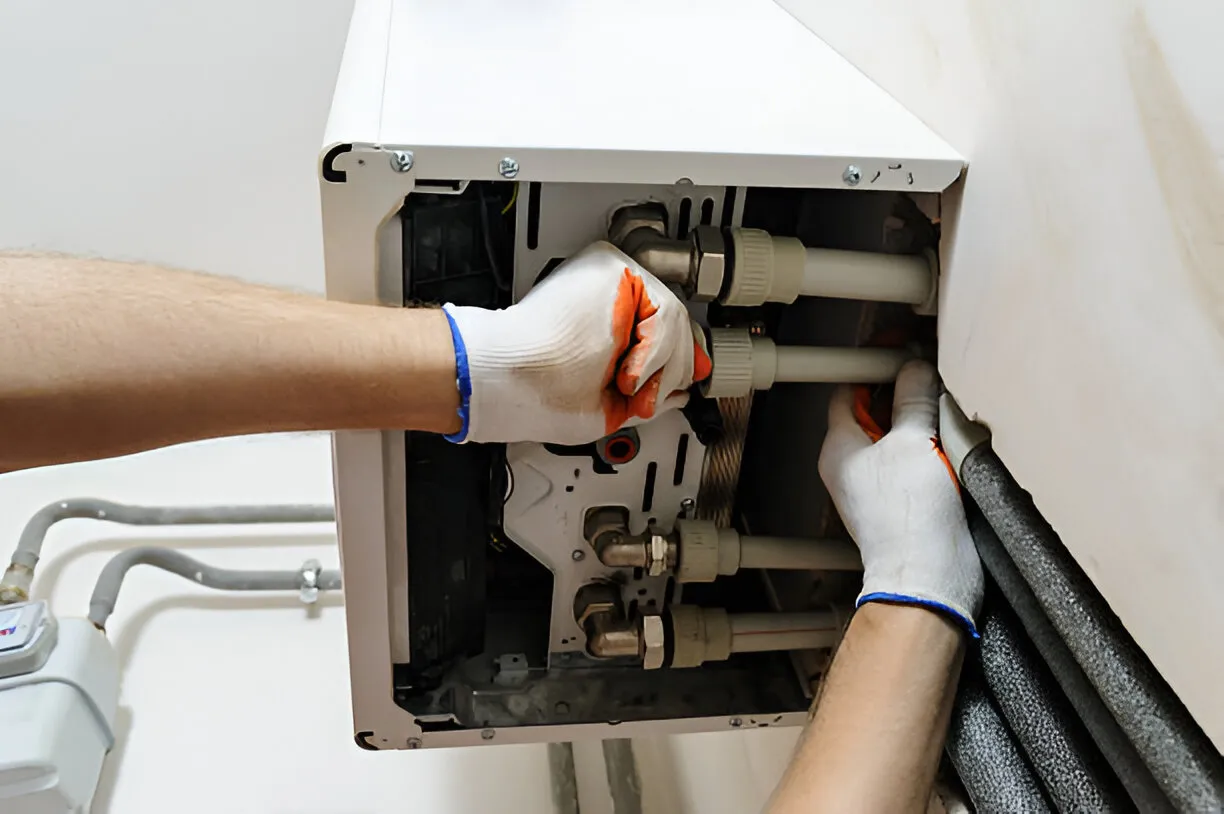
Why local conditions matter for heating installations in Blacklick, OH
Blacklick households face cold, often below-freezing winters with occasional heavy snow and seasonal freeze-thaw cycles. Many homes were built decades ago and have a mix of attic, crawlspace, or slab configurations that affect ductwork and equipment placement. These local realities influence equipment selection, sizing, and durability considerations:
- Heat pumps must be specified for Ohio winters and placed where outdoor units are protected from snow accumulation and freeze damage.
- High-efficiency gas furnaces are common, but older duct systems often need sealing or modifications to deliver the expected efficiency.
- Humidity control and proper ventilation matter because tightly sealed homes retain moisture differently during seasonal transitions.
Common heating installation projects in Blacklick
- Furnace installation or replacement (natural gas, propane, or electric)
- Heat pump installation (air-source or ductless mini-split systems)
- Boiler installations for hydronic heating in older homes
- Ductwork replacement, sealing, or zoning to improve comfort and efficiency
- Hybrid systems combining heat pump with a gas furnace for cold-climate efficiency
Site assessment and load calculations
A reliable installation begins with a detailed on-site assessment rather than rule-of-thumb sizing. Key steps include:
- Inspecting the home envelope (insulation, windows, doors), duct layout, and existing equipment.
- Performing a Manual J load calculation to determine exact heating requirements based on square footage, insulation levels, window orientation, and occupant needs.
- Evaluating distribution system capacity (ductwork, registers) and space for new equipment (clearances, venting, condensate routing).
These calculations prevent oversized or undersized equipment, both of which reduce comfort and increase operating costs.
Equipment selection: efficiency ratings and sizing
Choosing the right unit depends on the load calculation, fuel availability, and your priority for efficiency:
- Gas furnaces: Look for high AFUE ratings (percentage of fuel converted to heat). Properly sized furnaces cycle less and last longer.
- Heat pumps: Consider cold-climate rated models with high HSPF and SEER numbers. Ductless mini-splits are effective for additions, garages, or homes without ducts.
- Boilers: Size based on radiation and piping needs; modulating-condensing boilers offer excellent efficiency when matched correctly.
Also consider long-term operating costs versus upfront price, manufacturer warranties, and compatibility with smart thermostats or zoning controls.
Typical installation steps and timeline
Installation complexity depends on whether you are replacing like-for-like or installing new equipment and ductwork. A typical scope and timeline:
- Pre-install planning and permit submission: 1 to 7 days depending on local building department.
- Equipment delivery and site prep: same day as removal or scheduled day.
- Removal of old system and minor duct adjustments: 4 to 8 hours for straightforward replacements.
- New equipment installation, venting, refrigerant lines or piping: 1 to 3 days for standard installs; longer if adding new ductwork or structural modifications.
- Final system startup and testing: same day as installation completion.
More extensive projects (new duct systems, boiler piping, or structural work) can extend the timeline to a week or more. Weather delays are possible during winter months.
Permits and code compliance
Installations in Blacklick require local permits and inspections to ensure compliance with safety, venting, combustion, and electrical codes. Expect the installer to:
- Pull necessary permits with the township or Franklin County building department where applicable.
- Schedule and pass inspections for gas piping, electrical connections, and combustion safety before the system is placed into service.
Documented permits and inspection records protect your home insurance and resale value.
Post-installation testing and verification
Before the crew leaves, the system should undergo thorough testing:
- Combustion analysis and carbon monoxide checks for gas-fired equipment.
- Airflow measurements and temperature rise checks to confirm proper duct performance.
- Refrigerant charge and pressure checks on heat pumps.
- Thermostat programming and zone balancing.
- Safety interlocks and condensate drainage verification.
A complete set of performance readings and an explanation of what was done should be provided so you understand how the system is operating.
Warranties, service, and maintenance recommendations
Protect your investment with both manufacturer and installer coverage:
- Understand the manufacturer limited warranty for parts and any extended options for compressors, heat exchangers, or coils.
- Verify the installer’s labor warranty for workmanship.
- Enroll in a seasonal maintenance plan to extend equipment life and maintain efficiency. Recommended routine care includes:
- Annual heating tune-up before the heating season
- Regular filter changes (every 1 to 3 months depending on filter type)
- Duct sealing and attic/crawlspace inspections every few years
- Carbon monoxide detector placement and testing
Regular maintenance reduces emergency repairs and sustains manufacturer warranties in many cases.
Financing options and incentives
Heating upgrades can be financed through several routes to spread the cost while capturing efficiency benefits:
- Flexible financing or loan programs with fixed monthly payments
- Utility rebates for high-efficiency equipment offered through regional providers
- Possible federal or state tax credits for qualifying heat pumps and energy-efficient systems
- Seasonal or manufacturer rebate opportunities on select models
Work with your contractor to confirm current incentives and to structure financing that aligns with projected energy savings.
Final considerations for homeowners in Blacklick
A properly planned heating installation balances upfront cost, long-term operating efficiency, and home comfort. Prioritize accurate load calculations, equipment rated for Ohio’s climate, proper permitting, and post-install testing. Ongoing maintenance and enrollment in a service plan are key to preserving warranty coverage and keeping the system running efficiently through every Blacklick winter.
If reliability during cold snaps and predictable energy bills are your goals, focus on correct sizing, high-efficiency options appropriate for Central Ohio, and a documented maintenance schedule to protect your investment for years to come.
Hot Deals & Cool Savings

.webp)
New Service Agreement Membership
.webp)
Any New Client Service
Next Service for Referring a New Client
New Service Agreement Membership
Any New Client Service
Next Service for Referring a New Client
.webp)
.webp)

Service Areas
