
Heating Replacement in Blacklick, OH
Heating replacement in Blacklick, OH: learn signs, compare options, estimate costs, and schedule professional installation today for improved comfort and efficiency.

Heating Replacement in Blacklick, OH
Replacing a home heating system is a major decision for Blacklick, OH homeowners. Winters in central Ohio bring prolonged cold, freeze-thaw cycles, and occasional subzero temperatures that put extra strain on aging furnaces, boilers, and heat pumps.
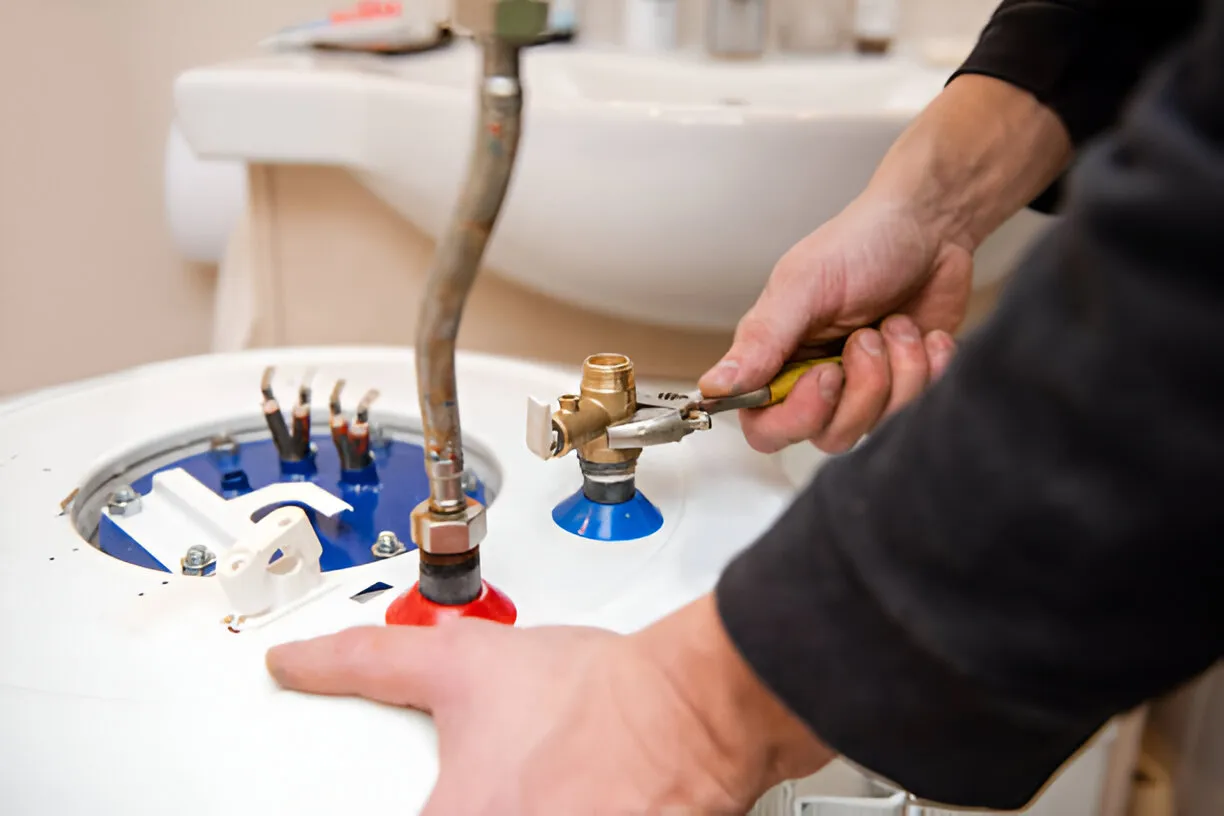
Why replace your heater now? Common signs your system needs replacement
If any of the following apply, a replacement discussion is appropriate rather than repeated repairs:
- Frequent breakdowns or repair costs adding up over consecutive seasons
- System age: most furnaces and boilers older than 15–20 years, or heat pumps older than 10–12 years
- Inconsistent heating, persistent cold spots, or short cycling
- Rising utility bills despite normal use
- Safety concerns: pilot outages, cracked heat exchangers, or confirmed carbon monoxide risk
- Noisy operation, visible rust, or frequent pilot/light problems
- Inefficient operation: older units with AFUE ratings below 80% or heat pumps with low HSPF
In Blacklick, repeated cold snaps and temperature swings accelerate wear. If your equipment struggles on the coldest days or your summer AC shares the same system and is failing, replacement can deliver reliable comfort year-round.
How we evaluate replacement options
A proper evaluation determines the right-size and type of replacement for your home:
- Comprehensive inspection of the existing system, ductwork, and fuel source (natural gas, propane, electric)
- Manual J load calculation to size equipment based on house size, insulation, windows, and local climate
- Ductwork inspection for leaks, insulation levels, and airflow problems
- Review of energy usage and past repair history
- Budget, longevity goals, and any desire to reduce carbon footprint
Sizing matters: oversized equipment short cycles and wastes energy; undersized equipment won’t keep up in Blacklick winters. Accurate load calculations and duct assessments are essential.
Common replacement options — pros and cons
- High-efficiency gas furnace (condensing, 95%+ AFUE)
- Pros: reliable in very cold weather, commonly compatible with existing ducts
- Cons: still uses fossil fuel, requires proper venting and condensate management
- Electric heat pump (cold-climate air-source)
- Pros: high efficiency, excellent year-round performance, lower operating costs when electricity is favorable
- Cons: performance can decline in extreme cold unless specifically rated for cold climates; may need backup heat
- Ductless mini-split heat pump
- Pros: zoned comfort, no ductwork required, high efficiency
- Cons: higher upfront cost for whole-house coverage if many zones needed
- Modulating-condensing boiler (high-efficiency)
- Pros: consistent radiant heat and warm water integration
- Cons: requires piping and often more invasive installation
- Hybrid/dual-fuel systems
- Pros: combine heat pump efficiency with gas backup for very cold days
- Cons: more complex controls, higher initial cost
Choice depends on fuel availability, existing ductwork, budget, and desire for long-term energy savings or electrification.
Energy savings and cost expectations
While exact savings vary by home, fuel prices, and local weather, typical examples for Blacklick homes:
- Replacing an older 70–80% AFUE furnace with a 95% AFUE model can reduce heating fuel use by roughly 10–30%, depending on usage patterns and thermostat settings.
- Converting from an aging gas furnace to a modern cold-climate heat pump can yield 20–40% or greater energy cost reductions when electricity rates and system performance align.
- Duct sealing and insulating can add another 10–20% in system-level savings by eliminating losses.
Payback timelines vary with utility costs and available incentives. Get specific estimates tied to your home using an energy audit and load calculation.
Removal and disposal of old equipment
Proper removal protects your home and the environment:
- Refrigerant recovery: HVAC technicians must recover refrigerant per federal regulations before removing heat pump or AC equipment.
- Recycling: metals, circuit boards, and other components are recycled where possible.
- Safe disposal of combustion-related components: furnaces and boilers may contain parts requiring special handling.
- Documentation: responsible contractors will provide disposal documentation and any recycling receipts.
Old equipment often contains recyclable metals and recoverable refrigerants; proper handling avoids fines and environmental harm.
Typical installation process and timeline
- Pre-install evaluation and load calculation
- Equipment selection and scheduling
- Day of installation:
- Disconnect and remove old equipment
- Prepare and modify ductwork or piping as needed
- Set and secure new unit, connect fuel/electrical lines, and install condensate and venting systems
- Charge refrigerant (for heat pumps), test controls, and commission the system
- Final testing: airflow measurements, combustion efficiency checks (for gas), thermostat calibration, and homeowner orientation
- Permits and inspections: local permits may be required in Franklin County and inspected by the jurisdiction; timing can affect the overall schedule
Most typical furnace or heat pump installations take one to two days; more complex boiler or multi-zone systems may take longer.
Incentives, rebates, and financing
Blacklick homeowners should check for layered incentives that can reduce net cost:
- Federal tax credits for qualifying energy-efficient electric heat pumps or insulation upgrades (availability and amounts change over time)
- Ohio state or local utility rebates for high-efficiency furnaces, heat pumps, or heat pump water heaters
- Manufacturer rebates and seasonal promotions
- Financing options that spread cost over time and match energy savings to payments
Eligibility, application processes, and timing vary; documentation such as model numbers and installer certification is often required.
Expected performance improvements and long-term benefits
With a properly sized, modern heating system you can expect:
- More consistent indoor temperatures and reduced cold spots
- Quieter operation and improved indoor air quality when paired with filtration and duct sealing
- Noticeable reduction in utility bills, often recouping a portion of the investment over several years
- Fewer emergency repairs and extended system life when paired with regular maintenance
- Added home value and improved marketability
Registering warranties and maintaining annual tune-ups preserves performance and warranty coverage.
Maintenance advice after replacement
- Schedule annual professional tune-ups (combustion safety checks for gas systems)
- Replace filters regularly and use properly sized, high-quality filters to protect equipment
- Keep outdoor heat pump units clear of snow, leaves, and debris
- Consider smart thermostats for zoning and better temperature control
- Inspect ducts and seal gaps to maintain airflow and efficiency
Replacing your heater is an opportunity to correct underlying issues—upgrading ductwork, controls, or adding zoning can multiply comfort and savings.
Replacing a heating system in Blacklick, OH is both a comfort and an efficiency decision. A careful evaluation, right-sizing, and choosing the appropriate technology for local climate and fuel availability will maximize reliability and savings for years to come.
Hot Deals & Cool Savings

.webp)
New Service Agreement Membership
.webp)
Any New Client Service
Next Service for Referring a New Client
New Service Agreement Membership
Any New Client Service
Next Service for Referring a New Client
.webp)
.webp)

Service Areas
