
Heating Replacement in Franklinton, OH
Heating replacement in Franklinton, OH: learn signs of end-of-life, financing options, and installation timelines. Get a free quote today.

Heating Replacement in Franklinton, OH
Replacing your home heating system is a major decision — especially in Franklinton, where older homes, cold Ohio winters, and occasional river-driven humidity and flooding risks change what a reliable heating system needs to deliver.
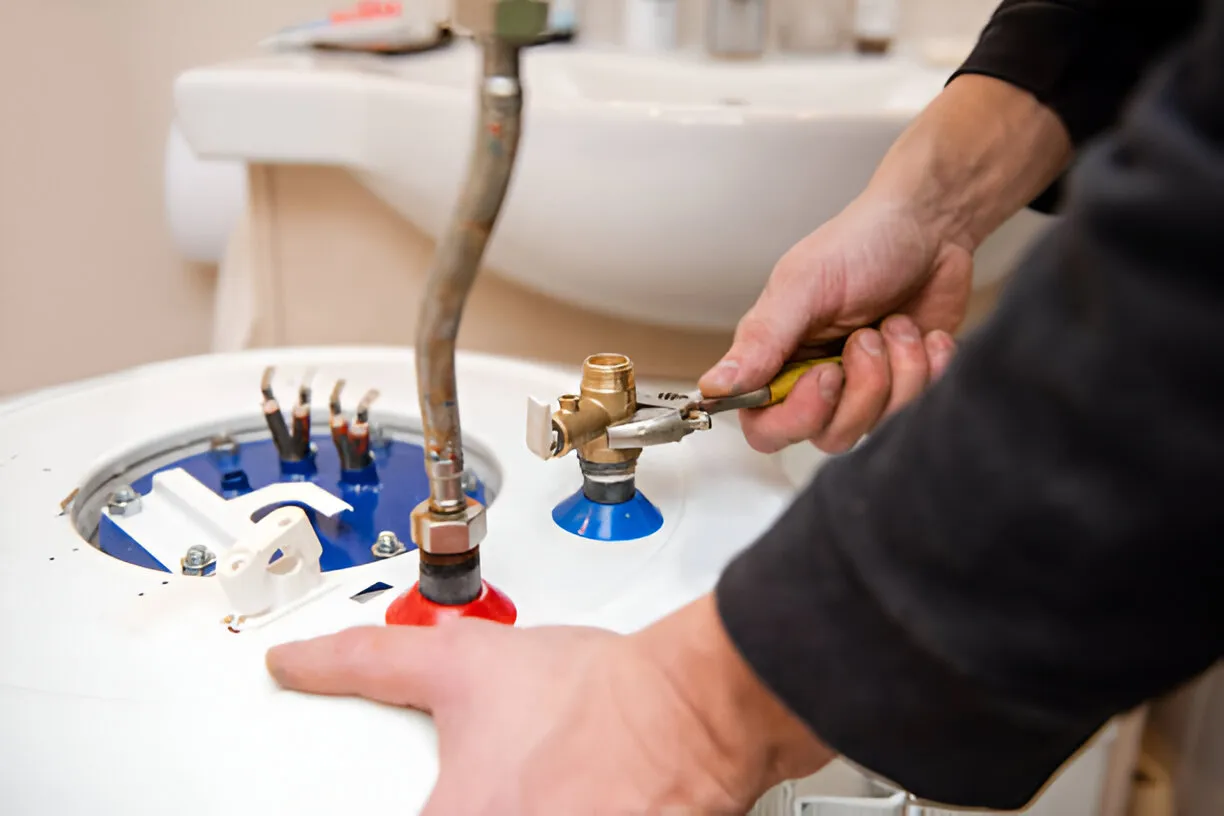
Why replace your heating system now
- Older equipment loses efficiency and becomes more expensive to run during Columbus-area winters.
- Repeated breakdowns, rising repair costs, and safety concerns (carbon monoxide risk with combustion systems) signal replacement is the better long-term choice.
- Upgrading to high-efficiency equipment reduces energy use, improves comfort in drafty Franklinton homes, and can lower humidity and indoor air quality problems that follow river flooding or high moisture seasons.
How to tell a system is at end-of-life
Look for multiple signs rather than one single issue:
- Age: Furnaces and boilers older than 15–20 years commonly approach end-of-life. Heat pumps older than 10–15 years likely lose efficiency.
- Frequent repairs: Multiple service visits in a single season or expensive part failures.
- Rising energy bills: A steady increase in heating costs despite normal use.
- Uneven heating, short cycling, or noisy operation.
- Safety issues: Yellow burner flame, cracked heat exchanger, or any combustion smell.
- Component obsolescence: Parts no longer available or inefficient technology (single-stage, constant-speed motors).
Common heating replacement scenarios in Franklinton
- Replacing an old gas furnace with a high-efficiency condensing furnace (95%+ AFUE).
- Converting a boiler system to a new condensing boiler or a hybrid system.
- Switching from an aging gas furnace or electric resistance to an air-source heat pump or cold-climate heat pump.
- Installing a ductless mini-split for zone heating in retrofits or older homes with limited duct space.
- Full system upgrade including ductwork, indoor air quality equipment, and controls.
Diagnostic steps before recommending replacement
A thorough pre-replacement evaluation typically includes:
- Load calculation (Manual J): Determines correct capacity based on Franklinton home size, insulation, window types, and local design temperature.
- Ductwork inspection (leaks, insulation, sizing) and airflow testing.
- Combustion safety check and venting evaluation for gas-fired systems.
- Electrical and gas supply capacity check for upgrades.
- Site considerations: flood risk, outdoor unit placement for heat pumps, and access for removal.
Recommended high-efficiency options
- High-efficiency condensing furnaces: 95%+ AFUE with modulating or two-stage burners and variable-speed blowers for better comfort and lower energy use.
- Cold-climate air-source heat pumps: Deliver efficient heating through much of Ohio winter when sized and installed properly; consider dual-fuel systems where a backup gas furnace is retained.
- Modulating condensing boilers: For hydronic systems, these provide precise output and improved boiler loop efficiencies.
- Ductless mini-splits: High efficiency for additions or homes without viable ductwork.
- Variable-speed equipment: Improves humidity control and quieter, more consistent temperatures.
Upgrade options that maximize value
- Smart thermostats and learning controls: Improve scheduling, remote monitoring, and can integrate with zoning systems.
- Zoning with motorized dampers: Target heating to occupied areas, reducing wasted energy in older Franklinton homes with inconsistent insulation.
- Air sealing and insulation improvements: Often the fastest payback when paired with a new, smaller heating system.
- Indoor air quality add-ons: Whole-home humidifiers, high-efficiency filters, or ERV/HRV ventilation to manage moisture and pollutants post-flooding.
Removal, disposal and environmental considerations
- Gas and electric disconnects, safe fuel isolation, and removal of the old appliance are standard.
- Refrigerant recovery is required for heat pumps and air-source systems; technicians must follow EPA refrigerant disposal rules.
- Metal, plastics, and electronic components are recycled when possible. Combustion appliances may require special handling for insulated components or asbestos in older homes.
- You should receive documentation of proper disposal and refrigerant recovery for compliance and future resale.
Typical installation timeline
- On-site assessment and estimate: 1 hour to several days depending on scheduling.
- Permits and inspections: City or county permits in the Columbus region can take from a few days up to 1–2 weeks depending on workload and complexity.
- Standard furnace swap (like-for-like): Often completed in 4–8 hours for a single-family home.
- Complex upgrades (new ductwork, boiler replacement, heat pump with line set and electrical upgrades): 1–3 days or longer.
- Final inspection and commissioning: Same day as installation or within a few days of completion.
Financing and rebates (what to check)
- Federal and state tax credits, ENERGY STAR incentives, and local utility rebates often apply to high-efficiency furnaces, heat pumps, and insulation upgrades. Eligibility depends on unit efficiency and program rules.
- Utility companies and regional programs for Columbus/Franklinton may offer rebates for air-source heat pumps, weatherization, or smart thermostats.
- Many homeowners combine financing and rebates to reduce upfront costs; check program timelines since rebate funding may be limited.
Projected energy savings and payback examples
- Replacing a 70% AFUE furnace with a 95% AFUE furnace typically reduces fuel consumption by 10–30% depending on home envelope and usage patterns.
- Moving from an older gas furnace or electric resistance to a modern heat pump can yield 30–50% energy savings in some Franklin County homes, with higher savings if paired with air sealing and thermostat controls.
- Example estimate: If a Franklinton home spends $1,200 per winter on heating, a 30% reduction equals roughly $360 per year in savings. Actual payback depends on installation costs, available rebates, and financing terms.
Benefits beyond energy savings
- More consistent comfort, reduced drafts, and quieter operation.
- Improved indoor air quality and humidity control, important in flood-prone neighborhoods.
- Reduced risk of emergency breakdowns and improved safety with new combustion components.
- Increased home value and marketability when properly documented and paired with efficiency upgrades.
Ongoing maintenance and what to expect after replacement
- Annual or biannual tune-ups keep high-efficiency equipment operating at advertised performance.
- Replace filters regularly and keep outdoor heat pump units clear of debris, snow, and standing water.
- Keep documentation of warranties, disposal certificates, and rebate paperwork in case of resale or future service needs.
Replacing a heating system in Franklinton is a chance to improve comfort, reduce energy bills, and protect your home from moisture- and age-related issues common in the neighborhood. A methodical evaluation, correct equipment sizing, and smart upgrades like zoning and smart thermostats deliver the best long-term value.
Hot Deals & Cool Savings

.webp)
New Service Agreement Membership
.webp)
Any New Client Service
Next Service for Referring a New Client
New Service Agreement Membership
Any New Client Service
Next Service for Referring a New Client
.webp)
.webp)

Service Areas
