
Furnace Installation in Franklinton, OH
Furnace installation in Franklinton, OH ensures safe, efficient heating with proper sizing, venting, and warranties. Learn more today.

Furnace Installation in Franklinton, OH
An expert furnace installation in Franklinton, OH protects your home from long Columbus winters, reduces energy waste, and improves indoor comfort and safety. Whether you are replacing an old unit or outfitting a newly renovated Franklinton rowhouse, a professional installation begins with the right assessment and ends with code-compliant testing and reliable warranties.
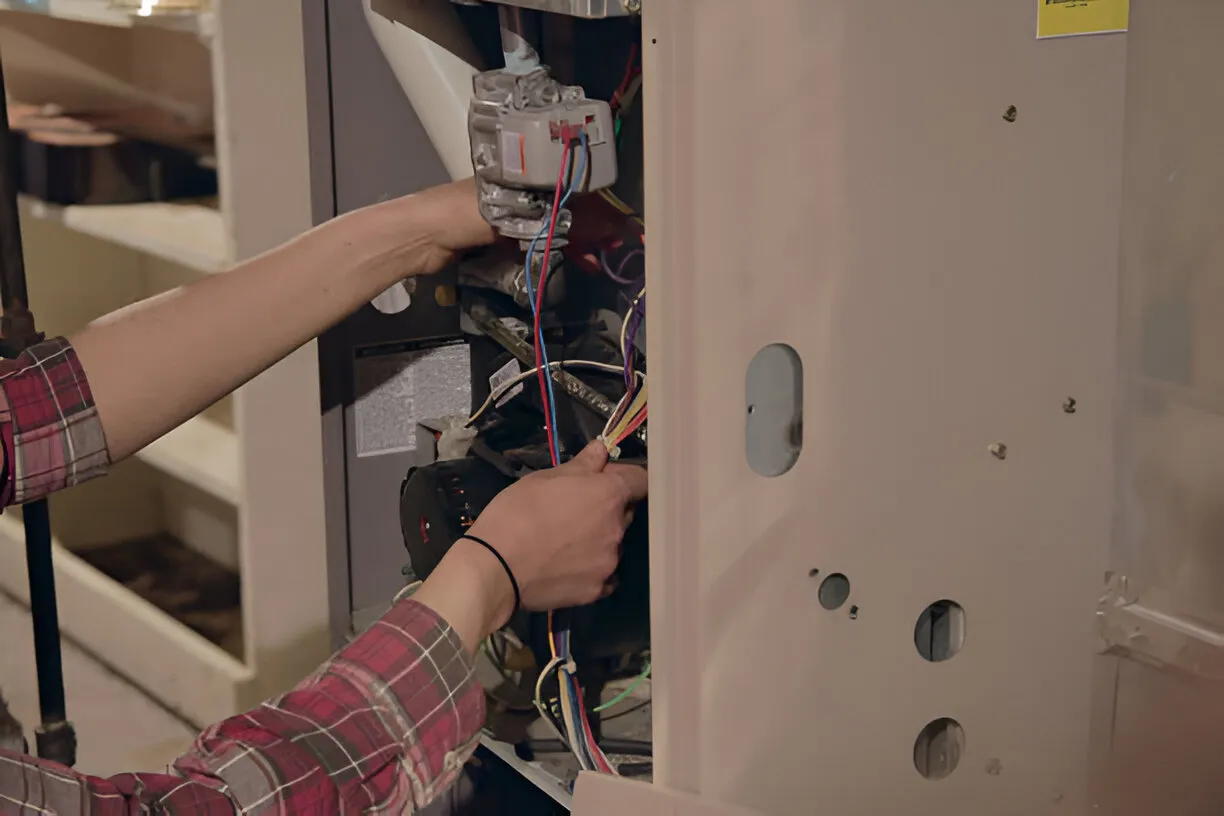
Why proper furnace installation matters in Franklinton, OH
Franklinton homes face seasonal extremes: cold, damp winters and warm, humid summers. Poorly installed furnaces can cause drafts, uneven heating, higher utility bills, and premature equipment failure when systems are undersized, improperly vented, or paired with leaky ductwork. In flood-prone areas of Franklinton near the Scioto River, placement and venting choices also matter for equipment protection and code compliance. A correct installation improves comfort, efficiency, indoor air quality, and safety.
Common furnace installation types and common issues in Franklinton, OH
- Furnace replacement: Swapping an old furnace for a modern high-efficiency unit. Common problems: incorrect sizing, incompatible venting, and neglected duct updates.
- New installation for additions or renovations: Challenges include routing ductwork through limited spaces in rowhomes and meeting combustion air requirements.
- Conversion to high-efficiency or sealed-combustion units: May require PVC venting and condensate handling. Older homes often need updated venting or gas piping.
- System upgrade with zoning or smart controls: Existing duct layouts and electrical capacity are frequent constraints in older Franklinton properties.
Common furnace installation issues in Franklinton, OH include undersized equipment, inadequate ventilation, unaddressed duct leaks, lack of permits or inspections, and installations that ignore flood risk or basement humidity.
Pre-installation assessment: what a professional checks
A thorough pre-installation assessment sets the project up for success. Key steps include:
- Home energy and load calculation (Manual J) to determine correct furnace size based on insulation, square footage, window area, and occupancy.
- Ductwork evaluation (visual inspection and flow testing) to find leaks, poor insulation, undersized runs, or blocked returns.
- Venting and combustion air review to confirm chimney condition, flue capacity, or suitability for direct venting.
- Gas line and electrical capacity check to ensure safe connections and proper circuit sizing.
- Site considerations specific to Franklinton, such as flood elevation for basement furnaces, clearances in tight rowhome mechanical closets, and local zoning constraints.
Proper sizing and model selection guidance
Correct sizing avoids short cycling, excessive wear, and comfort problems. Professionals use Manual J for load calculations, Manual D for duct design, and Manual S for equipment selection. Factors to weigh:
- Efficiency (AFUE) versus upfront complexity: Higher AFUE saves fuel but may require PVC venting and condensate management.
- Modulating or multi-stage furnaces for even temperature control in homes with wide temperature swings.
- Variable-speed blowers for quieter operation and better humidity control in Franklinton’s humid months.
- Compatibility with thermostats and zoning systems if you plan to add smart controls or multi-zone comfort.
- Long-term reliability and warranty coverage from manufacturers.
Step-by-step installation process
A typical professional furnace installation follows these steps:
- Final measurement and verification of load/clearances.
- Obtain required permits from the Columbus/Franklinton building department and schedule inspections.
- Disconnect and safely remove the old unit; cap old fuel and vent connections according to code.
- Make any required updates: gas line sizing, electrical circuit, condensate drain, or venting changes.
- Install new furnace on appropriate platform or stand—raise equipment where flood risk exists.
- Connect ductwork, sealing seams and insulating as needed; balance supply and return to ensure proper airflow.
- Connect controls, thermostat wiring, and safety devices; program initial settings.
- Perform startup procedures, combustion analysis, and CO testing to verify safe operation.
- Complete final inspection paperwork and provide warranty registration information.
- Walk through operating instructions and maintenance basics for your household.
Ductwork and venting considerations
Ducts and vents are as important as the furnace itself. Key points:
- Seal and insulate ducts in unconditioned spaces to prevent loss of heated air.
- Replace or right-size ducts when a larger capacity furnace is installed to avoid static pressure problems.
- Consider adding a dedicated return or improving grill placement in older Franklinton homes with closed floor plans.
- High-efficiency furnaces may use plastic PVC for venting; combustion appliances must have proper air supply and safe termination points per local code.
- In flood-prone areas, vent terminations and condensate drains may need elevation or backflow prevention.
Code compliance, permits, and inspections
Furnace installation must meet Ohio mechanical code and local Columbus permit requirements. Professionals pull permits, schedule inspections, and ensure installations meet venting, combustion air, clearances, and electrical standards. Proper permitting protects homeowners from liability and ensures installations pass safety and efficiency checks required by local authorities.
Warranty and paperwork you should expect
Two warranties typically apply: manufacturer warranty on the furnace and a labor warranty from the installer. Expect documentation that includes:
- Manufacturer limited warranty details and registration instructions.
- Installer-provided labor warranty covering workmanship for a specified period.
- A copy of permit approvals and inspection certificates.
- Startup and safety test records, including combustion efficiency and CO readings.
Keep these records for future service, resale value, and warranty claims.
Timelines and cost factors
While timelines vary, a straightforward furnace replacement in a Franklinton home commonly takes one full workday for removal and installation, plus additional days for permit processing and inspections. Complex jobs — such as significant duct redesign, gas-line upgrades, or elevation to address flood risk — can extend the timeline to several days or more. Cost drivers include furnace efficiency, system capacity, extent of ductwork or venting changes, electrical or gas upgrades, and permit/inspection fees. Financing and local incentives may be available through utilities or programs that encourage efficiency upgrades.
Long-term benefits and maintenance advice
A professionally installed furnace delivers:
- Consistent, even warmth during Ohio winters.
- Better fuel efficiency and lower long-term operating costs.
- Improved indoor air quality with properly sealed ducts and compatible filtration.
- Reduced emergency repairs and extended system life.
Maintain performance with annual professional inspections, timely filter changes, and periodic duct checks. Regular maintenance preserves warranties and keeps safety-critical systems functioning properly.
Hot Deals & Cool Savings

.webp)
New Service Agreement Membership
.webp)
Any New Client Service
Next Service for Referring a New Client
New Service Agreement Membership
Any New Client Service
Next Service for Referring a New Client
.webp)
.webp)

Service Areas
