
Furnace Tune-Up in Franklinton, OH
Furnace Tune Up in Franklinton, OH improves efficiency and safety. Schedule your seasonal service now for reliable winter performance.

Furnace Tune Up in Franklinton, OH
Preparing your furnace for Franklinton winters keeps your home safe, comfortable, and energy-efficient when temperatures drop below freezing. A professional furnace tune up identifies wear, improves performance, and reduces the chance of a breakdown during cold snaps.
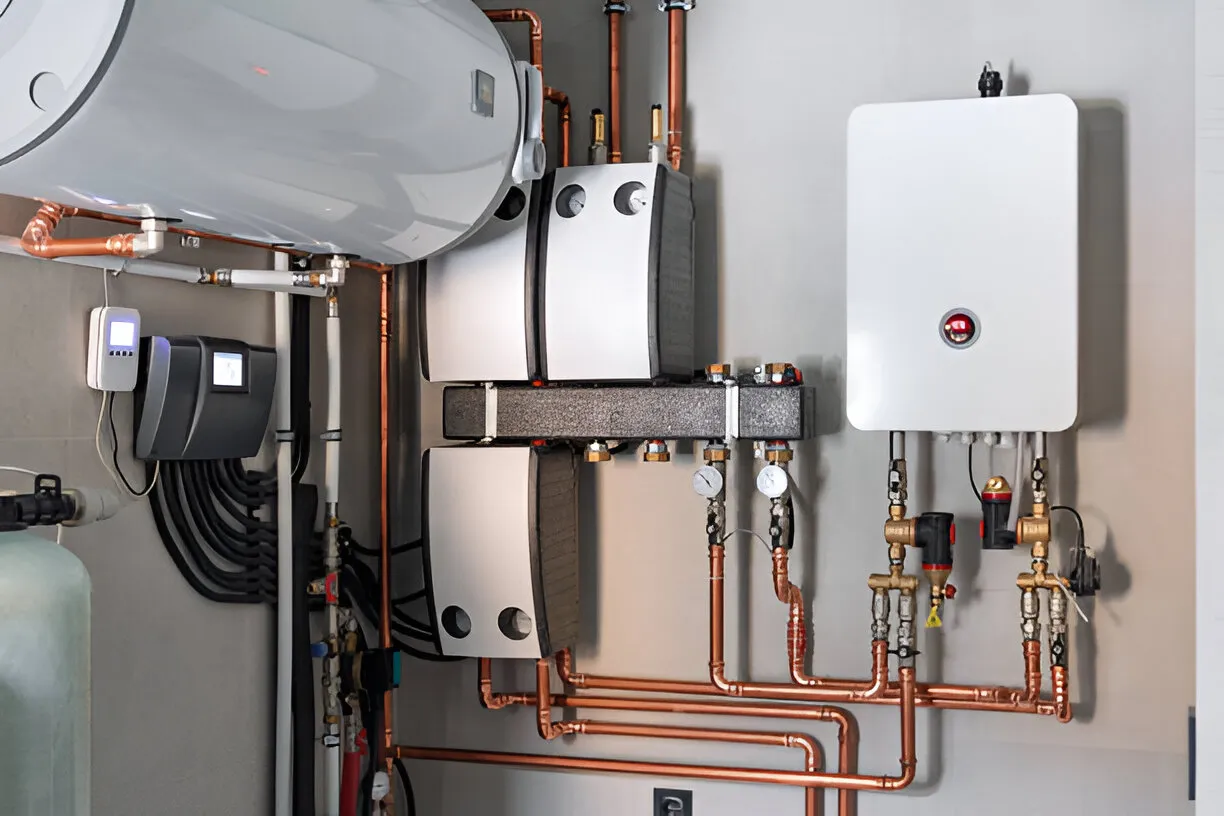
Why a seasonal furnace tune up matters in Franklinton
Franklinton sits in central Ohio where winter temperatures frequently dip below freezing and occasional winter storms can strain heating systems. Many homes in Franklinton are older or located in flood-prone areas near the Scioto River; that means furnaces may show additional signs of age, corrosion, or moisture-related wear. A pre-season tune up reduces the risk of mid-winter outages, improves energy efficiency for high heating demand months, and addresses safety concerns like carbon monoxide risk from cracked components.
Common furnace issues in Franklinton homes
- Dirty burners and clogged filters that reduce heat output and increase fuel use
- Worn blower motors or bearings causing noisy operation and poor airflow
- Cracked or corroded heat exchangers, especially in older units or systems exposed to moisture
- Faulty safety controls or ignition systems that prevent the furnace from operating reliably
- Thermostat drift or miscalibration leading to uneven comfort and short cycling
- Venting and flue problems from corrosion or past flood damage that affect combustion and exhaust
Furnace tune up checklist (what technicians inspect and service)
A thorough seasonal tune up follows a clear checklist of diagnostic and service steps. Each item below is completed to ensure safe, efficient performance.
- Clean burners and combustion area
Remove soot and debris from burners to restore proper flame pattern and combustion efficiency. Clean burners reduce fuel waste and minimize soot buildup. - Inspect heat exchanger
Visual and diagnostic inspection for cracks, corrosion, or signs of stress. A compromised heat exchanger can leak combustion gases; if any defect is found, technicians recommend immediate repair or replacement. - Check safety controls and limit switches
Test flame sensors, pressure switches, and high-limit controls to confirm the furnace will shut down when it detects unsafe conditions. Safe operation is a primary focus. - Lubricate moving parts
Apply lubrication to motors, bearings, and fans where required to reduce friction, noise, and premature wear. - Verify thermostat operation and calibration
Test thermostat responsiveness and set accuracy. Recalibrate or advise replacement if the thermostat is causing short cycling or inaccurate temperature control. - Inspect and clean blower assembly
Clean blower wheel and housing, check motor amperage, belts (if applicable), and airflow to ensure proper distribution of warm air. - Check ignition and electrical components
Test electronic igniters, pilot assembly (if present), wiring, and control boards for reliable starts and operation. - Measure combustion efficiency and gas pressure (on gas furnaces)
Test for proper fuel combustion, measure CO and combustion products, and verify gas pressure to maintain safe and efficient operation. - Inspect flue, venting, and condensate (if high-efficiency)
Ensure exhaust paths are clear, intact, and free of corrosion or blockages. Check condensate drains and traps on high-efficiency furnaces. - Replace or recommend air filter
Replace disposable filters or advise on correct filter size and MERV rating; clean or service reusable filters. - Perform a test run and document findings
Run the furnace through a full cycle to verify performance, record results, and provide a service report with prioritized recommendations.
Expected outcomes after a tune up
After a comprehensive tune up you can expect:
- Improved efficiency and lower fuel use — Clean combustion components and calibrated controls restore design efficiency.
- Fewer unexpected failures — Identifying worn parts and correcting minor issues reduces the risk of breakdowns during cold periods.
- Longer equipment life — Regular lubrication, cleaning, and adjustments slow wear and delay costly replacements.
- Safer operation — Heat exchanger checks, combustion testing, and safety control verification reduce carbon monoxide and fire risks.
- Better comfort and reliability — Proper airflow, thermostat calibration, and burner performance provide more consistent home temperatures.
Recommended frequency and timing
- Annual tune up, performed in fall — Schedule one full service visit each year before the heating season begins. This timing ensures your furnace is ready for sustained cold weather.
- Semiannual checks for older or heavily used systems — Homes with older furnaces, high-use households, or systems that have shown recurring issues may benefit from two visits per year (fall and mid-winter check).
- After flood, water exposure, or major service work — If your home experienced basement flooding or the furnace was exposed to water, schedule an immediate inspection before use.
How tune ups relate to warranties and maintenance plans
- Manufacturer warranties often require documented maintenance — Many furnace warranties stipulate annual professional maintenance to keep coverage valid. Keep service receipts and reports as proof.
- Maintenance plans provide documented, scheduled care — Joining a maintenance agreement typically guarantees regular tune ups, priority scheduling during peak season, and a service history that supports warranty claims. Maintenance plans can also include benefits like parts discounts and detailed service reports that simplify warranty processes.
- Documentation matters — A written service report listing performed tasks, measurements, and recommended repairs is essential for warranty compliance and future resale value.
Maintenance tips for Franklinton homeowners
- Replace or check filters monthly during heavy use months.
- Keep the furnace area clear of storage, dust, and water to prevent airflow restrictions and safety hazards.
- Watch for odd smells, soot, loud noises, or frequent cycling—these are signs to schedule a tune up sooner.
- Consider upgrading to a programmable or smart thermostat to improve comfort and reduce energy spend in a neighborhood with varying winter occupancy and schedules.
A seasonal furnace tune up is a cost-effective way to protect your home, save on fuel, and keep your heating system reliable through Franklinton’s cold months. Regular maintenance addresses common local risks like older equipment and moisture exposure while preserving warranties and extending the life of your furnace.
Hot Deals & Cool Savings

.webp)
New Service Agreement Membership
.webp)
Any New Client Service
Next Service for Referring a New Client
New Service Agreement Membership
Any New Client Service
Next Service for Referring a New Client
.webp)
.webp)

Service Areas
