
Furnace Maintenance in Franklinton, OH
Furnace maintenance service in Franklinton, OH ensures safety, efficiency, and fewer breakdowns—schedule your next professional tune-up today this fall.

Furnace Maintenance in Franklinton, OH
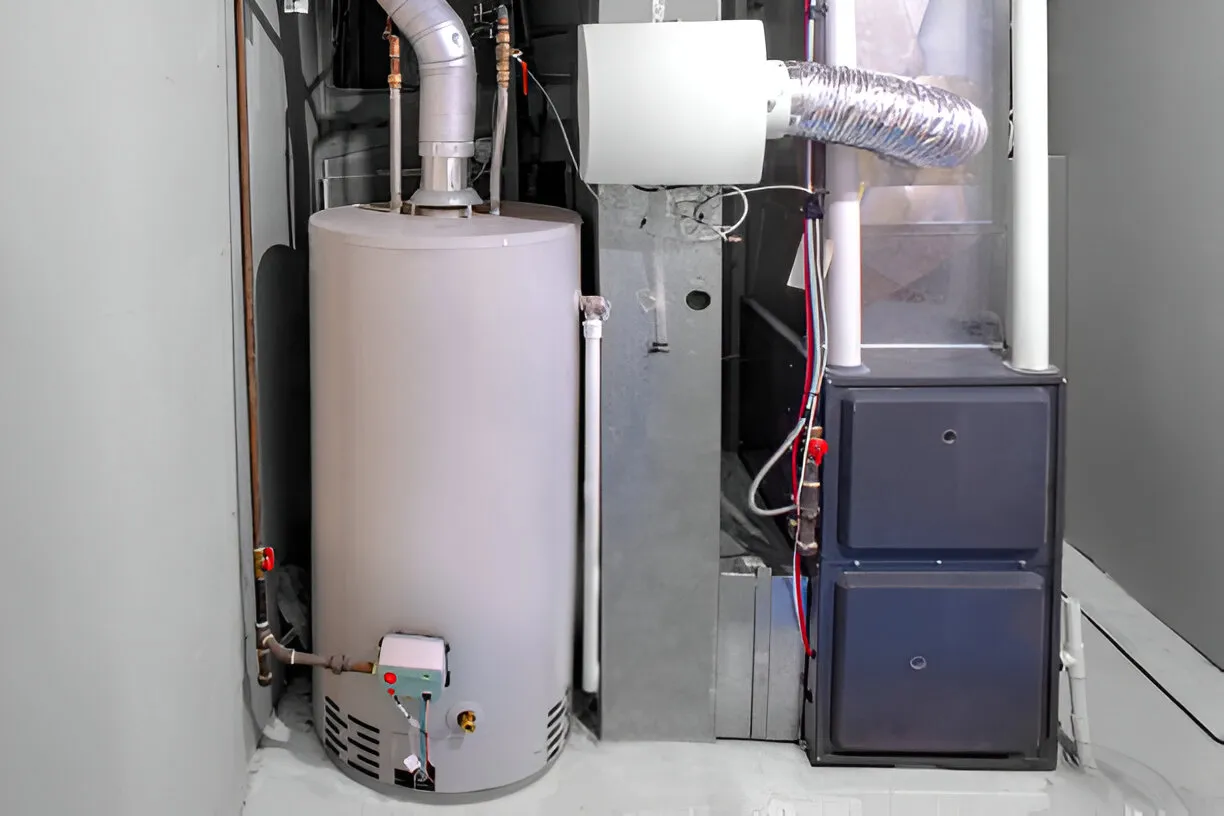
Keeping your furnace operating reliably through Franklinton winters starts with preventative furnace maintenance. With colder months that push heating systems hard, older housing stock and occasional high humidity in low-lying areas near the Scioto River, homes in Franklinton benefit from annual professional tune-ups that reduce safety risks, lower energy use, and extend equipment life.
Why preventative furnace maintenance matters in Franklinton
Franklinton experiences chilly, extended winters and temperature swings in shoulder seasons. That means your furnace runs more hours and may experience more wear than in milder climates. Preventative maintenance:
- Reduces the chance of midseason breakdowns
- Detects safety problems like carbon monoxide leaks early
- Restores lost efficiency to lower utility bills
- Extends the useful life of the furnace and related components
- Keeps indoor comfort consistent in older, draftier homes common in the neighborhood
Homes near flood-prone areas or with basement humidity can see accelerated corrosion on vents and burners, and extra airborne dust from nearby construction or traffic increases filter load. Regular attention helps counter these local stressors.
Common furnace problems we find in Franklinton homes
- Dirty or clogged air filters reducing airflow and forcing longer run times
- Worn blower motors or belts causing noisy operation and poor circulation
- Soiled burners or flame sensors leading to ignition problems or inefficient combustion
- Blocked or corroded venting and flues from moisture exposure
- Thermostat calibration issues or poor control wiring connections
- Gas pressure and ignition safety concerns from aging components
Addressing these issues during routine maintenance prevents emergency repairs and maintains safe operation.
What a comprehensive furnace maintenance visit includes
A professional preventative maintenance visit typically covers the following routine tasks and checks:
- Visual inspection of the furnace cabinet, burners, and combustion chamber
- Cleaning of burners, flame sensor, and pilot assembly (as applicable)
- Inspection and cleaning of the blower assembly and motor; lubrication of bearings if required
- Filter inspection and replacement recommendations (standard 1-inch filters or thicker media filters)
- Check and test of safety controls including limit switches and rollout switches
- Combustion analysis or CO check to verify safe combustion where applicable
- Gas line and pressure inspection for leaks and correct supply
- Inspection of flue and venting for blockages, corrosion, and proper termination
- Thermostat calibration and verification of control sequence
- Measurement of temperature rise across the heat exchanger and review of manufacturer specs
- Inspection of electrical connections and tightening as needed
- Draft and draft inducer testing on furnaces equipped with induced draft systems
- Airflow and ductwork visuals to spot obvious leaks or obstructions
Technicians document findings and recommend repairs or parts replacement only when necessary to restore safe, efficient operation.
Frequency recommendations
- Annual professional maintenance: One full inspection and tune-up each year is the standard recommendation, ideally in early fall so your system is ready before sustained cold sets in.
- Filters: Check basic 1-inch filters every 1 to 3 months during heavy use; thicker pleated filters or media filters can last longer but should still be checked seasonally.
- Older systems (10+ years): Increase inspection frequency to twice per year if the system shows signs of irregular operation, noise, or if the home has water intrusion or high dust loads.
- After flooding or significant humidity events: Schedule an inspection immediately if equipment or basement vents were exposed to standing water.
How diagnostics and testing work (in plain terms)
Technicians use a mix of trained observation and simple measurements to evaluate furnace performance. They check how the system starts, how the burners fire, and whether the blower moves the right amount of air. Temperature rise measurement tells whether heat is being transferred properly from the heat exchanger to the air stream. Combustion or CO checks confirm that combustion is clean and vents are exhausting safely. These tests identify parts that are worn, misadjusted, or unsafe before they become emergencies.
Typical repair solutions found during maintenance
- Replacing or upgrading filters and recommending better-rated media filters for homes with pets or high dust
- Cleaning burners and flame sensors to eliminate ignition failures
- Tightening or replacing electrical connections to stop intermittent failures
- Replacing worn blower motors, belts, or bearings to restore airflow and quiet operation
- Sealing or replacing corroded vent sections and ensuring proper flue termination
- Replacing failed safety switches or control modules when diagnostics show degraded function
Repairs are prioritized by safety and system reliability; addressing the most critical items first reduces immediate risks.
Maintenance plan and membership perks
Many homeowners choose a maintenance membership for predictable upkeep and added benefits. Common perks available with maintenance plans include:
- Priority or expedited scheduling during peak heating season
- Multiple seasonal visits per year (for heating and cooling systems)
- Discounted rates on diagnostic and repair service calls
- Waived or reduced fees for routine inspection visits
- Recordkeeping of service history for resale value and warranty compliance
- Extended equipment life and improved efficiency through interval care
Memberships are designed to reduce overall lifecycle cost of your heating equipment and give predictable, documented maintenance.
What scheduling regular service looks like
Regular service typically follows a seasonal cadence: a full furnace tune-up in early fall, and an interim check if needed during winter for high-use households. A standard visit lasts 45 to 90 minutes depending on system age and condition. Technicians arrive with tools for inspection, cleaning, simple parts replacement, and testing equipment for combustion and airflow. Before leaving, they provide a summary of work performed and any recommended next steps. For homes with multiple systems or complex zoning, visits are planned to minimize disruption and cover all components.
Simple homeowner maintenance between professional visits
- Check standard filters monthly during heavy use and replace when dirty
- Keep returns and supply registers clear of furniture and drapery
- Ensure vents and flue terminations outside the home are unobstructed
- Note and log unusual noises, smells, or changes in heating performance
- Maintain reasonable humidity levels in basements to reduce corrosion risk
Regular small actions combined with annual professional care keep your furnace safe and dependable.
Hot Deals & Cool Savings

.webp)
New Service Agreement Membership
.webp)
Any New Client Service
Next Service for Referring a New Client
New Service Agreement Membership
Any New Client Service
Next Service for Referring a New Client
.webp)
.webp)

Service Areas
