
Heating Repair in Lithopolis, OH
Heating Repair Lithopolis, OH provides on-site diagnostics, quick repairs, and preventive tips. Learn more and schedule your service today.

Heating Repair in Lithopolis, OH
Keeping your home warm and safe through cold central Ohio winters starts with a reliable heating system and timely repairs when something goes wrong. Heating Repair in Lithopolis, OH covers diagnostic troubleshooting, on-site repairs for furnaces and boilers, parts selection (OEM vs aftermarket), typical turnaround times, emergency response, and practical prevention tips tailored to local homes.
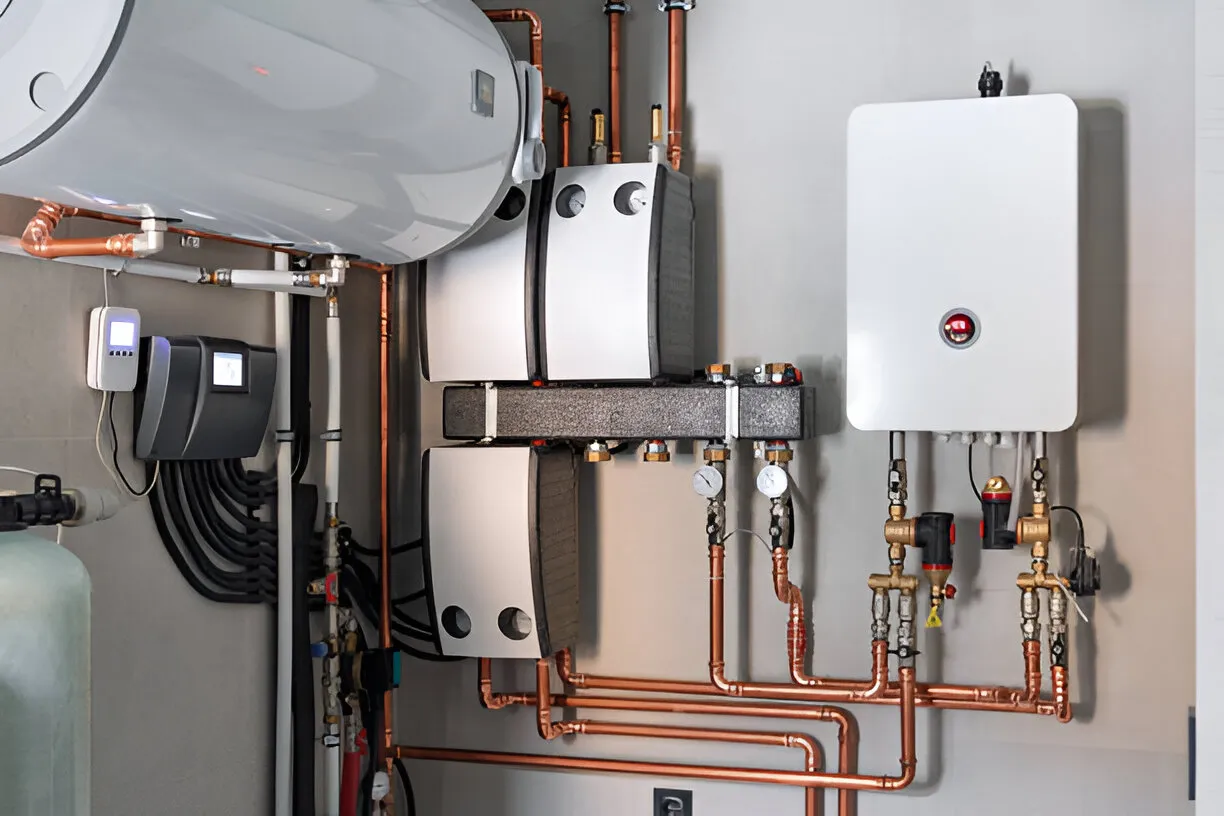
Why timely heating repair matters in Lithopolis
Lithopolis sees significant temperature swings and prolonged cold from late fall through early spring. High furnace run-times in these months accelerate wear on ignition systems, blowers, control boards, and thermostats. Rural and older homes in and around Lithopolis may also rely on propane or oil systems, which present different failure modes than natural gas systems. Prompt repair reduces risk of no-heat days, carbon monoxide exposure, and more expensive failures later.
Common heating failure modes in Lithopolis homes
- Ignition problems
- Failed hot surface ignitors or intermittent pilots; common after long idle periods.
- Flame sensor fouling causes furnace to start then shut down.
- Blower and airflow issues
- Worn blower motors, belt failures, or clogged return vents reduce airflow and can cause overheating.
- Dirty filters and restricted ductwork are frequent contributors.
- Controls and control board failures
- Corroded connections, failed relays, or burned-out circuit boards cause intermittent or complete system failure.
- Thermostat and wiring problems
- Incorrect programming, dead batteries, or damaged wiring produce no-heat calls that are often simple to fix.
- Fuel delivery and combustion issues (for gas, oil, or propane systems)
- Blocked fuel lines, faulty pressure regulators, or burner nozzle problems.
- Safety device activation
- Limit switches, rollout switches, or blocked flues will shut systems down to prevent unsafe operation.
Diagnostic procedure — what to expect during a service visit
Technicians follow a structured diagnostic workflow to identify root causes rather than treating symptoms:
- Safety and initial assessment
- Visual inspection for soot, leaks, corrosion, and carbon monoxide indicators; ensure power and fuel supply.
2. System start-up and observation
- Run the system through a full cycle and note abnormal sounds, delays, or error codes.
3. Electrical and control verification
- Check thermostats, fuses, transformers, control boards, and wiring continuity.
4. Combustion and fuel checks (as applicable)
- Inspect burners, ignition sequence, flame quality, and fuel pressure.
5. Airflow and mechanical inspection
- Test blower performance, check filters, measure duct pressure if needed.
6. Clear documentation and repair recommendation
- Provide a written diagnosis, list of failed components, and repair options (repair vs replacement, OEM vs aftermarket parts).
On-site repair workflow
- Arrival and system lockout removal (if applicable)
- Confirm diagnosis and review options with homeowner (repair scope, parts quality differences, estimated timeline)
- Replace failed component(s) using chosen parts, perform adjustments and calibrations
- Complete safety tests: combustion analysis, pressure checks, electrical safety, CO testing
- Run multiple full cycles to verify reliability and system efficiency
- Clean workspace and leave a service summary with recommendations for maintenance or future attention
OEM vs aftermarket parts — what homeowners should know
- OEM (Original Equipment Manufacturer) parts
- Match original specifications; generally ensure compatibility and maintain manufacturer warranties. Recommended when preserving system life and warranty is important.
- High-quality aftermarket parts
- Often less expensive and acceptable for common items like thermostats, belts, or common motors. Quality varies; choose parts from reputable vendors with warranties.
- Tradeoffs
- OEM parts cost more but reduce risk of fitment or software conflicts. For older systems nearing end of life, a reliable aftermarket part can be a pragmatic choice.
Typical turnaround times for repairs
- Simple thermostat or filter-related fixes: same-day, often within a few hours.
- Common component replacements (ignitor, blower motor, control board): same-day to next-day depending on parts availability.
- Complex repairs (heat exchanger work, major boiler repairs, special-order parts): 1–5 business days.
- Seasonal demand (deep winter in Lithopolis) may extend lead times for non-emergency parts; emergency response remains prioritized.
Emergency and 24-hour response considerations
Emergencies that merit immediate attention:
- No heat during freezing conditions
- Carbon monoxide alarm activation or suspected CO odors
- Complete system failure in households with vulnerable occupants (infants, elderly)
- Visible gas leaks or strong fuel odors
Emergency-capable technicians will perform a safety triage, provide temporary measures (space heater guidance, safe shutoff), and schedule urgent repairs or part replacement.
Pricing expectations (what affects cost)
- Scope of repair: small component swap vs major assembly replacement
- Parts quality: OEM vs aftermarket cost differences
- System age and accessibility: cramped furnace closets or rooftop units add labor time
- Fuel type: oil and propane systems often require specialized parts and labor
- Diagnostics and safety testing are typically included in professional service calls; any additional parts and labor should be itemized before work begins
Preventive maintenance tips to reduce breakdown risk
- Schedule annual professional tune-ups before heating season to catch wear and combustion problems early.
- Change filters on schedule—monthly to quarterly depending on your filter type and household conditions.
- Keep vents and returns clear of furniture, curtains, and debris to maintain airflow.
- Install and maintain carbon monoxide detectors on every floor and near bedrooms.
- Consider a programmable or smart thermostat for consistent control and reduced system cycling.
- Seal and insulate ductwork and attic spaces to lower heating demand and reduce blower strain.
- For homes on propane or oil, ensure tanks and lines are inspected annually and consider a maintenance plan specific to fuel systems.
Final notes for Lithopolis homeowners
Heating Repair in Lithopolis, OH requires sensitivity to local winter demands, fuel types found in the area, and the mix of older and newer homes. Prompt diagnostics, using the right parts, and regular maintenance extend equipment life and reduce costly emergency repairs. When evaluating repair options, prioritize safety checks (including CO testing), clear estimates, and documented work so your heating system returns to reliable operation through the cold months.
Hot Deals & Cool Savings

.webp)
New Service Agreement Membership
.webp)
Any New Client Service
Next Service for Referring a New Client
New Service Agreement Membership
Any New Client Service
Next Service for Referring a New Client
.webp)
.webp)

Service Areas
