
Heating Installation in Lithopolis, OH
Professional heating installation in Lithopolis, OH. Expert load sizing, code-compliant setup, and reliable performance. Contact us for a precise quote today.

Heating Installation in Lithopolis, OH
Replacing or installing a new heating system is one of the most important investments for comfort, safety, and energy savings in Lithopolis homes. With cold Ohio winters, older housing stock, and a mix of fueled systems across the area, a correctly sized, code-compliant heating installation reduces utility bills, improves indoor comfort, and prevents premature equipment failure.
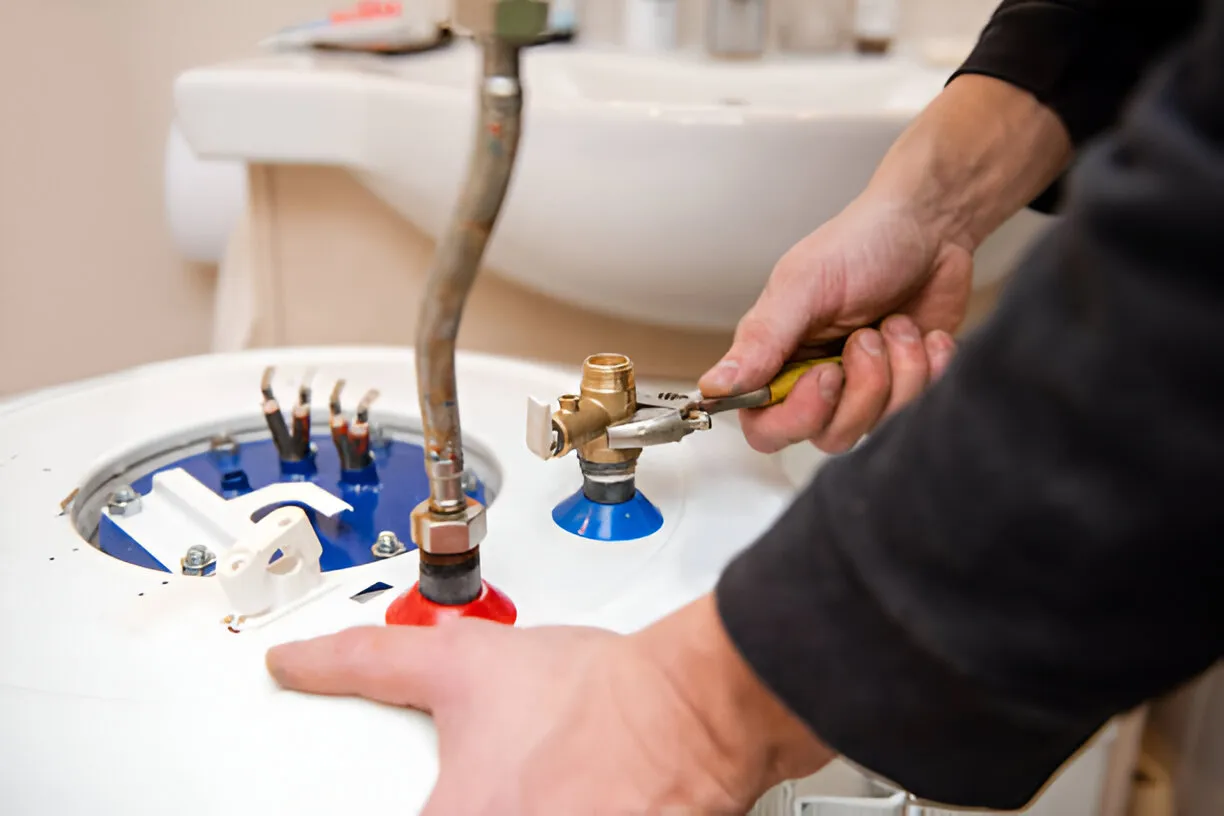
Common heating systems and which fits Lithopolis homes
Understanding system types helps homeowners pick the right solution for their property and budget.
- Furnaces (natural gas, propane, electric)
- Pros: fast warm-up, widely available service and parts, high-capacity models for colder days.
- Cons: combustion safety and venting considerations, fuel cost variability.
- Best for: homes with existing ductwork and access to gas lines or propane.
- Boilers (hot water or steam)
- Pros: even heat, quiet operation, durable in older homes with radiators or baseboards.
- Cons: slower response, higher initial cost for conversions, require proper venting and maintenance.
- Best for: older Lithopolis homes with hydronic distribution or homeowners wanting quieter, steady heat.
- Heat pumps (air-source, cold-climate models, ductless mini-splits)
- Pros: highly efficient, provide both heating and cooling, qualify for many efficiency incentives when high efficiency.
- Cons: performance varies with extreme cold; modern cold-climate units perform well in Ohio.
- Best for: homes looking to lower long-term energy bills, replace aging electric resistance heat, or add zoned comfort with ductless options.
When comparing options for Lithopolis, evaluate fuel availability, existing ductwork, attic and wall insulation levels, and your long-term energy goals.
Home load assessment and unit sizing
Proper sizing is critical. Oversized equipment short-cycles, increases wear, and reduces comfort. Undersized equipment struggles on subzero nights.
Key steps in load assessment:
- Conduct a Manual J style heat load calculation to account for:
- Square footage, ceiling heights, insulation levels, window types, and orientation.
- Infiltration from older windows or doors common in historic Lithopolis homes.
- Planned home improvements like additions or finished basements.
- Inspect ductwork or distribution system for leakage, proper sizing, and accessibility.
- Review thermostat placement and zoning needs for multistory or open-plan layouts.
A correct load calculation yields an accurately sized furnace, boiler, or heat pump with recommendations for any necessary duct or pipe upgrades.
Energy-efficiency considerations
Energy efficiency affects both monthly costs and environmental impact. Key metrics include:
- AFUE for furnaces and boilers (higher is better).
- HSPF and SEER for heat pumps (higher is better).
- ENERGY STAR certification for select equipment.
Local climate matters: Lithopolis winters mean prioritizing heating efficiency and reliable performance at low temperatures. Investing in higher efficiency can reduce fuel use during the heating season and may qualify for regional utility rebates or federal incentives for electrification and high-efficiency heat pumps. Consider lifecycle costs: purchase price, expected fuel costs in central Ohio, maintenance, and expected lifespan.
Typical installation steps
A professional installation follows clear phases to ensure safety, performance, and code compliance.
- Pre-install survey and quote
- Confirm load calculations, system selection, venting path, electrical needs, and any duct or hydronic piping changes.
- Verify permit requirements with local building officials.
2. Permitting and scheduling
- Secure required permits before work begins.
3. Removal and site preparation
- Safe removal of old equipment, disposal of refrigerant and fluids when applicable, and prep the installation location.
4. Rough-in and system installation
- Set new equipment, install venting, gas or electrical connections, refrigerant lines, or hydronic piping.
- Modify or replace ductwork, plenums, or piping as needed to ensure proper airflow and heat distribution.
5. Commissioning and safety checks
- Perform combustion analysis for fuel-fired appliances, check gas pressure, verify proper venting, and confirm electrical connections.
- Charge refrigerant to manufacturer specifications for heat pumps, balance airflow, and calibrate controls.
6. Final inspection and handover
- Complete local inspection, provide documentation, and demonstrate system operation and thermostat settings.
Installation timelines vary by system complexity and any required duct or structural work.
Permits, code compliance, and inspections
In Lithopolis, installations must meet local building department and Ohio mechanical and energy code requirements. Typical compliance points:
- Permits pulled through the city or county building office before installation.
- Proper ventilation, combustion air provisions, and vent termination clearances for gas appliances.
- Gas line sizing and leak testing performed by licensed technicians.
- Carbon monoxide detection and proper chimneys or direct venting for safety.
- Final inspection and sign-off by the local inspector.
Hiring licensed HVAC contractors ensures work is performed to code and reduces the risk of failed inspections or safety hazards.
Warranty and manufacturer options
Warranties vary by manufacturer and model. Understand these distinctions:
- Parts warranty: covers manufacturer defects for a fixed term, often 5 to 10 years or longer on premium products.
- Labor warranty: offered by installers for workmanship; durations differ and may be extended with maintenance plans.
- Extended or transferability: some warranties are extendable or transferable to new homeowners if properly registered.
Always register equipment with the manufacturer and keep records of required maintenance to preserve warranty coverage.
Financing programs and cost management
Many homeowners spread installation costs through financing options such as:
- Manufacturer promotional financing or deferred interest plans.
- Home improvement loans and energy efficiency loan programs.
- Utility or state incentives for qualifying high-efficiency installations.
- Comparing offers by looking at total payback over equipment life, not just monthly payment.
Consider long-term savings from reduced fuel consumption and potential incentives when evaluating upfront costs.
Post-installation testing and care
Professional installations include comprehensive testing and documentation:
- Combustion efficiency and carbon monoxide checks for gas systems.
- Refrigerant charge and superheat/subcooling verification for heat pumps.
- Airflow balancing and room-by-room comfort verification.
- Thermostat programming and user orientation.
- Written installation report and maintenance schedule recommendations.
Regular annual maintenance preserves efficiency, keeps warranties intact, and extends equipment life. For Lithopolis homeowners, scheduling tune-ups before the winter season prevents emergency failures on the coldest days.
Hot Deals & Cool Savings

.webp)
New Service Agreement Membership
.webp)
Any New Client Service
Next Service for Referring a New Client
New Service Agreement Membership
Any New Client Service
Next Service for Referring a New Client
.webp)
.webp)

Service Areas
