
Furnace Repair in Lithopolis, OH
Furnace repair in Lithopolis, OH delivers diagnostics, safe ignition checks, and quick parts replacement to restore warmth efficiently.

Furnace Repair in Lithopolis, OH
Keeping a reliable furnace is essential for Lithopolis homes, where cold central Ohio winters and occasional extended freezes place heavy demand on heating systems. Furnace Repair in Lithopolis, OH focuses on diagnosing common furnace failures, replacing worn parts, and confirming safe combustion so your home returns to comfortable, efficient operation as quickly as possible.
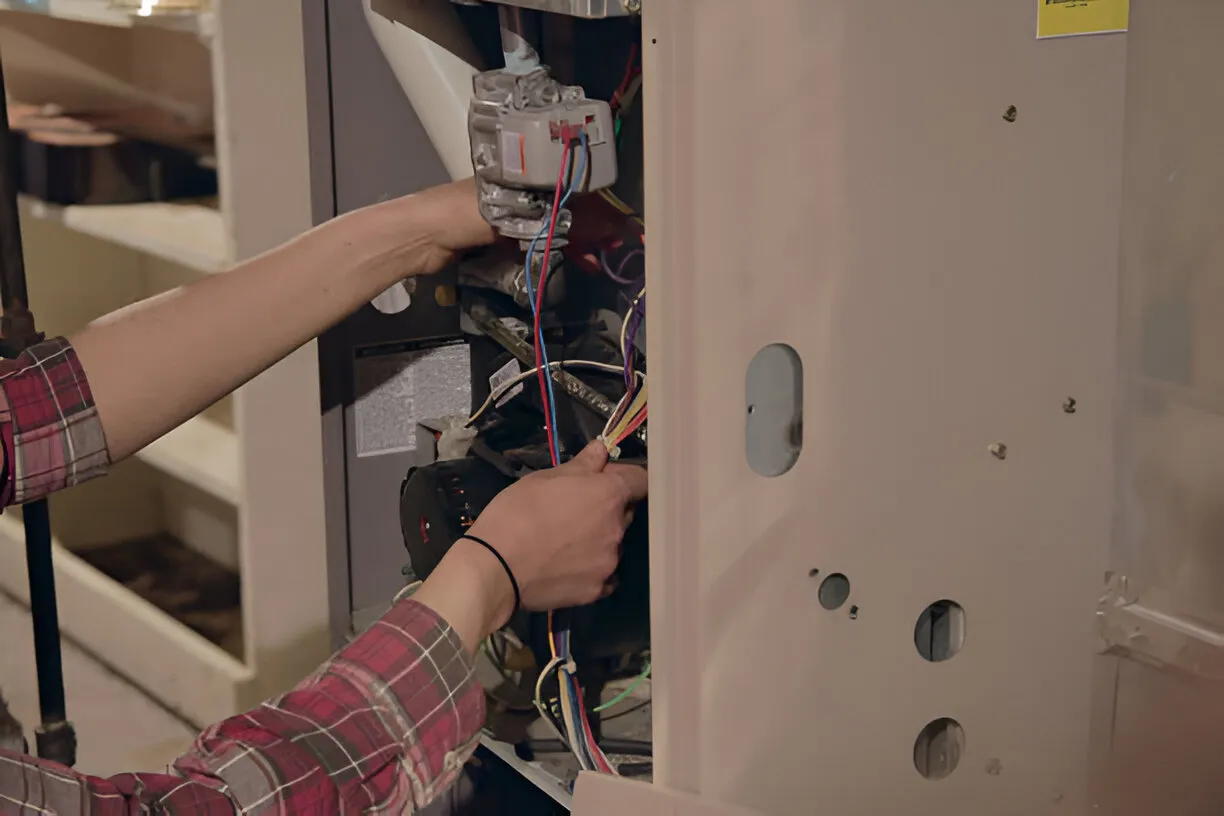
Why timely furnace repair matters in Lithopolis
- Winters here frequently drop below freezing, increasing the risk of system failure when you need heat most.
- Older homes in the area often have legacy ductwork or older furnaces that are more prone to ignition and venting issues.
- Small problems left unattended can lead to more costly repairs, unsafe combustion, or complete breakdown during cold snaps.
Common furnace problems in Lithopolis and diagnostic steps
Below are the furnace issues most often seen in this region and the practical diagnostic steps performed to identify root causes.
No heat
- Confirm thermostat settings and batteries, then verify the furnace has power at the breaker and the switch near the unit is on.
- Inspect the air filter and flame rollout areas; a clogged filter or restricted airflow can trigger safety limits and prevent heating.
- Check ignition: pilot light (older systems) or electronic ignitor. Look for error codes on modern control boards.
- Evaluate fuel supply: ensure gas valve is open and there are no supply interruptions (utility outages are more noticeable in cold weather).
Short cycling (runs briefly, then shuts off)
- Check for a dirty air filter, blocked vents, or closed returns causing reduced airflow.
- Test the limit switch and thermostat placement; an improper location can register higher temps and stop cycles prematurely.
- Inspect system sizing and recent changes to the home; oversized or failing components commonly cause short cycling.
Strange noises (banging, rattling, squealing)
- Squealing often indicates a worn blower belt or faulty motor bearings.
- Banging at startup can be delayed ignition in gas furnaces or expansion/contraction of ductwork; delayed ignition is a safety concern requiring immediate inspection.
- Rattling typically points to loose panels, failing blower wheel, or debris in the cabinet.
Ignition issues and intermittent starts
- For electronic ignition systems, test the hot surface ignitor for cracks or high resistance; these parts become brittle over time.
- Evaluate the flame sensor for corrosion; a dirty sensor can shut off the gas valve even though the burner lights.
- Check the control board and gas valve operation if startup sequences fail.
Visible signs that need immediate attention
- Soot, rust, or visible cracks on the heat exchanger
- Persistent pilot outages or yellow burner flames (should be steady blue)
- Carbon monoxide detector alarms or occupants experiencing unexplained headaches or dizziness
Parts replacement: what is commonly replaced and why
- Ignitor or pilot assembly: fails with age and heat cycling, preventing ignition.
- Flame sensor: corrodes and prevents reliable detection of burner flame.
- Blower motor and capacitors: wear out from long run times, creating reduced airflow or noise.
- Heat exchanger: cracked exchangers are a safety risk; replacement is often required for safe operation.
- Control board and limit switches: electrical failures can cause erratic operation or safety lockouts.
- Gas valve and pressure switches: essential for safe fuel delivery; failures are repaired or replaced as diagnosed.When a part is replaced, technicians typically verify compatibility and, when possible, install OEM or equivalent parts to preserve efficiency and longevity.
Safety checks: combustion, venting, and carbon monoxide
- Combustion analysis: measuring draft, flame quality, and exhaust temperature to confirm safe burning of fuel.
- Venting inspection: ensure flue pipes and chimneys are clear of blockages, corrosion, or animal nests that can backdraft gases.
- CO testing: use calibrated carbon monoxide meters to confirm no dangerous CO levels in the furnace area and living spaces.
- Heat exchanger inspection: visual and, when necessary, dye or pressure testing to detect cracks or failures that can leak combustion gases.Safety checks are prioritized in cold months because combustion problems are more likely with heavy system usage and seasonal debris in vents.
Expected repair timelines
- Basic diagnostics and minor repairs (filters, sensors, minor electrical fixes): same-day or within 24 hours.
- Component replacements (ignitor, flame sensor, blower motor): typically completed in one visit if parts are in stock; otherwise next-day when parts are sourced.
- Heat exchanger replacement or extensive venting repairs: multi-day project depending on access, parts availability, and required permits.
- Emergency repairs during severe cold can be prioritized, but timelines depend on parts and workload. Technicians will typically provide an estimated completion window after initial inspection.
Warranty and parts information
- Manufacturer warranties vary: furnaces often have limited warranties covering specific components; check model documentation for exact terms.
- Aftermarket and service-installed parts commonly carry service warranties that can range from 90 days to one year for labor and parts, depending on the part and installer policy.
- When replacing major components, using matched or OEM parts helps preserve remaining manufacturer protections and ensures performance tailored to the unit.
Emergency response options and interim safety measures
- Emergency response options are essential during central Ohio cold snaps. When systems fail in freezing conditions, prioritized service and temporary safety measures can reduce risk.
- Interim safety steps for homeowners:
- If you smell gas, evacuate immediately and notify the gas utility.
- If carbon monoxide alarms sound or you suspect exhaust leaks, ventilate by opening windows and leave the home until cleared by a qualified technician.
- Limit use of alternative heating appliances that are not vented properly, as they can introduce other hazards.
Preventative maintenance and long-term benefits
- Annual heating tune-ups before the cold season reduce emergency visits, improve efficiency, and extend furnace life.
- Regular tasks homeowners can do: replace or clean filters every 1 to 3 months, keep return grills clear, and ensure outdoor vents are free of snow and debris.
- Proper maintenance lowers utility costs, reduces breakdown risk during extreme temperatures, and provides earlier detection of safety issues such as a failing heat exchanger.
A professional furnace repair approach in Lithopolis combines thorough diagnostics, focused parts replacement when needed, and rigorous safety testing to protect families and homes during cold Ohio winters. Regular maintenance and prompt attention to the warning signs above are the most reliable ways to keep a furnace operating safely and efficiently.
Hot Deals & Cool Savings

.webp)
New Service Agreement Membership
.webp)
Any New Client Service
Next Service for Referring a New Client
New Service Agreement Membership
Any New Client Service
Next Service for Referring a New Client
.webp)
.webp)

Service Areas
