
Furnace Tune-Up in Lithopolis, OH
Furnace tune up in Lithopolis, OH improves efficiency and safety. Schedule this expert service today to boost comfort and reduce costs.

Furnace Tune Up in Lithopolis, OH
A professional furnace tune up in Lithopolis, OH keeps your heating system running reliably through cold central Ohio winters. With temperatures that routinely dip below freezing and variable humidity in shoulder seasons, furnaces in Lithopolis face heavier seasonal demand than in milder regions. A thorough tune up restores efficiency, reduces the chance of midwinter breakdowns, and confirms your system is operating safely and effectively.
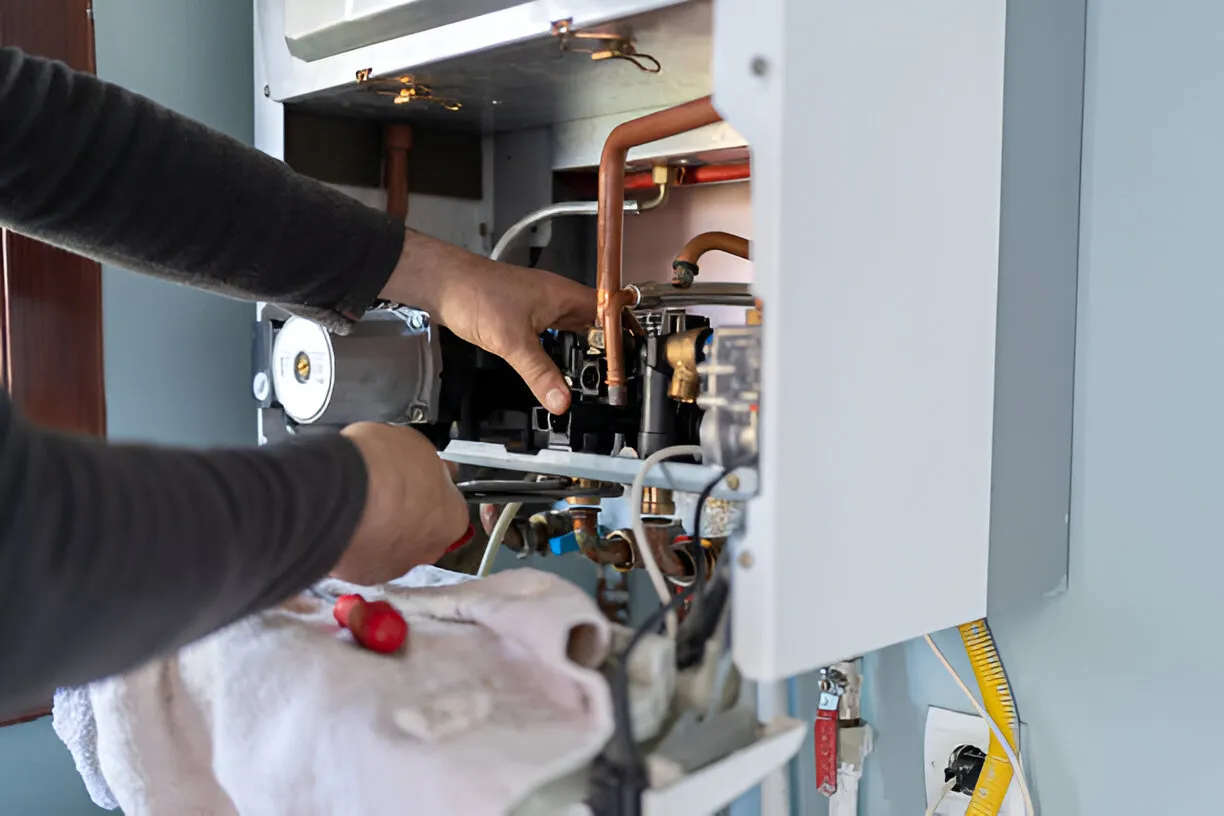
Why a furnace tune up matters for Lithopolis homes
- Winters in Lithopolis are long and cold, so even small losses in efficiency translate to higher utility bills.
- Older homes and systems often have accumulated dust, worn parts, and duct restrictions that worsen performance.
- Routine maintenance reduces the likelihood of emergency repairs during the coldest months when service times and costs tend to rise.
- Safety checks help detect issues like cracked heat exchangers or improper venting that can lead to combustion byproducts entering the home.
Common furnace problems in Lithopolis
- Reduced heat output or uneven heating between rooms
- Increased energy bills without a change in thermostat settings
- Frequent short cycling (system turns on and off rapidly)
- Noisy operation from belts, bearings, or burners
- Thermostat or control issues leading to incorrect temperature readings
- Dirty filters and restricted airflow that stress the blower and heat exchanger
What a complete furnace tune up includes
A proper tune up follows a systematic checklist to cover cleaning, lubrication, safety, performance, and documentation. Typical tasks include:
- Visual inspection
- Check cabinet, access panels, and visible components for corrosion or damage
- Inspect combustion chamber and heat exchanger for cracks, corrosion, or soot
- Cleaning
- Remove dust and debris from burners, flame sensors, and igniters
- Vacuum blower compartment and motor housing
- Clean or replace condensate traps and drain lines on high-efficiency units
- Lubrication and mechanical checks
- Lubricate motors and blower bearings where applicable
- Inspect and adjust belts and pulleys
- Check and tighten electrical connections
- Safety and combustion checks
- Observe combustion flame characteristics and burner operation
- Test venting and flue for proper draft and clearance
- Perform carbon monoxide / combustion gas screening to identify leaks or incomplete combustion
- Verify safety controls, limit switches, and rollout switches
- Thermostat calibration
- Compare thermostat reading to ambient temperature and recalibrate or test thermostat response
- Verify proper thermostat wiring and control signals
- Airflow and filter inspection
- Check and measure airflow across the heat exchanger and through ductwork
- Inspect air filter and recommend correct size and MERV rating for your home
- Evaluate duct sealing and insulation where accessible
- Operational performance and reporting
- Record system operating temperatures, pressure, and electrical draw
- Note run times and cycle behavior to evaluate efficiency
- Provide a concise performance report with findings, safety notes, and recommended repairs or parts
How technicians diagnose and prioritize issues
Technicians follow a logical diagnostic flow: confirm symptoms, run baseline measurements, perform cleaning and adjustments, then retest. The focus is on restoring safe, efficient operation quickly and identifying items that require replacement now versus those that can be monitored. For example, a noisy blower bearing may be lubricated and observed, while a cracked heat exchanger will be flagged as an immediate safety concern and prioritized for replacement.
Documentation provided at the end of the tune up should include:
- Measured before-and-after values (temperatures, amperage, pressures)
- Notes on safety checks performed
- Parts replaced or recommended
- Estimated impact on efficiency and expected lifespan improvements
Expected benefits after a furnace tune up
- Improved energy efficiency: Cleaning burners, calibrating the thermostat, and optimizing airflow can lower fuel use and reduce monthly heating costs.
- Greater reliability: Worn parts addressed during a tune up reduce the risk of breakdowns during peak heating periods.
- Longer equipment life: Proper lubrication and timely adjustments lessen wear and extend the furnace’s service life.
- Enhanced comfort: More consistent heat delivery and fewer short cycles mean steadier indoor temperatures.
- Increased safety: Combustion and venting inspections reduce the risk of carbon monoxide exposure and fire hazards.
Maintenance schedule and practical tips for Lithopolis homeowners
- Schedule an annual tune up in early fall before sustained cold weather arrives. This timing ensures your system is ready before demand peaks.
- Replace filters every 1–3 months depending on filter type, home occupancy, and pets. Higher MERV ratings improve filtration but can restrict airflow if not matched to your system.
- Keep the furnace area clear of stored items and combustibles to maintain safe airflow and access for service.
- If your home has drafty rooms or cold spots, consider having ducts inspected and sealed; this improves overall furnace efficiency in older Lithopolis houses.
- Track your heating bills and note sudden changes in usage; a tune up and diagnostic check can often reveal underlying causes.
Final notes on furnace tune ups in Lithopolis, OH
A comprehensive furnace tune up does more than clean parts; it confirms safe combustion, optimizes performance, and documents system health so you can make informed decisions about repairs or replacement. For homeowners in Lithopolis, the combination of cold winters and aging housing stock makes annual tune ups a practical investment in comfort, safety, and energy savings.
Hot Deals & Cool Savings

.webp)
New Service Agreement Membership
.webp)
Any New Client Service
Next Service for Referring a New Client
New Service Agreement Membership
Any New Client Service
Next Service for Referring a New Client
.webp)
.webp)

Service Areas
