
Heating Maintenance in Westerville, OH
Heating maintenance in Westerville, OH keeps your system safe and efficient. Schedule preventive service today for reliable warmth.

Heating Maintenance in Westerville, OH
A reliable heating system is essential for Westerville homes when Ohio winter temperatures drop and humidity shifts. Professional heating maintenance in Westerville, OH keeps furnaces, boilers, heat pumps, and ductless systems running safely and efficiently, reduces unexpected breakdowns during cold snaps, and protects long-term equipment value.
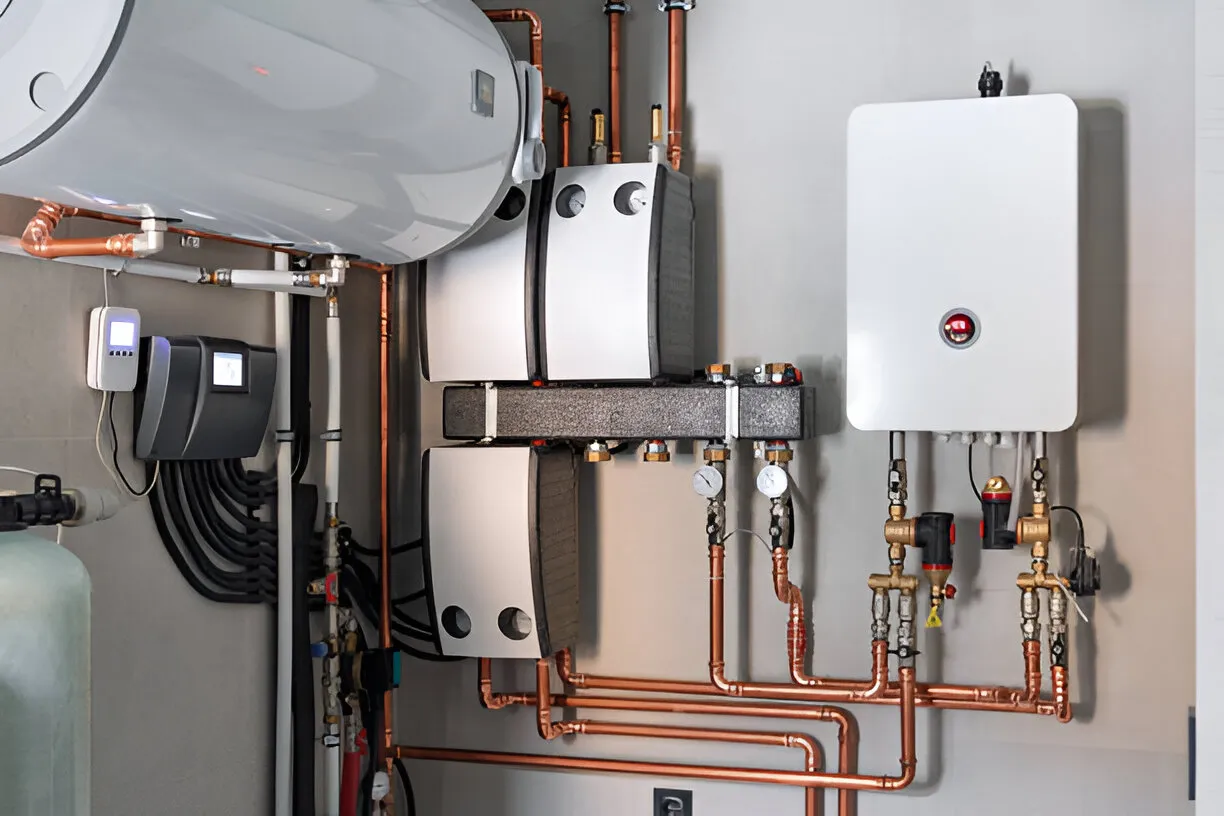
Why scheduled heating maintenance matters in Westerville
Westerville sees cold winters with occasional extended freezes and significant temperature swings between seasons. Those conditions increase run time and stress on heating equipment. Older homes in the area may also have legacy ductwork or boilers that require extra attention. Regular maintenance:
- Ensures safe operation and reduces carbon monoxide risk
- Keeps systems efficient to lower fuel bills during long heating stretches
- Identifies worn parts before they cause failures on the coldest days
- Helps preserve manufacturer warranties and home resale value
What a comprehensive heating maintenance plan includes
A formal maintenance agreement bundles recurring inspections, priority service, and ongoing record keeping so your system receives consistent care. Typical inclusions are:
- Scheduled tune-ups and inspections at the agreed frequency (annual or biannual depending on system and usage)
- Full safety and performance checks for the specific heating type
- Priority scheduling for members during peak season or emergency calls
- Discounts or preferential pricing on repair parts and labor
- Clear documentation of work performed and recommended actions
- Maintenance reminders and a recorded service history tied to the home or equipment
Common heating maintenance issues in Westerville and how they are prevented
Homeowners in Westerville commonly see these problems as heating systems age or go without regular service:
- Reduced heat output from clogged filters, dirty burners, or restricted airflow
- Short cycling caused by thermostat issues, improper airflow, or control faults
- Ignition or pilot failures due to dirty components or electrical wear
- Inefficient operation from dirty heat exchangers or coating on outdoor heat pump coils
- Frozen condensate lines or blocked vents after heavy freezes
- Carbon monoxide risks from cracked heat exchangers or blocked flues
A maintenance plan addresses these by cleaning, adjusting, and testing components before they fail. For example, replacing filters, cleaning burners, verifying venting, and measuring combustion and temperature rise reduce the likelihood of a cold-night emergency.
The inspection and diagnostic process — what to expect
During a typical maintenance visit technicians follow a checklist tailored to your equipment type. Inspections are explained in plain language so you understand findings and next steps. Common steps include:
- Visual and safety inspection
- Check venting, flues, and visible seals for cracks or blockages
- Inspect heat exchanger visually when accessible for obvious damage
2. Airflow and filter assessment
- Measure airflow effectiveness, check and replace filters, inspect ductwork for major leaks or disconnections
3. Combustion and performance checks (gas/oil systems)
- Test ignition sequence, burner flame quality, and combustion safety systems
- Measure temperature rise across the heat exchanger to confirm efficient operation
4. Electrical and controls
- Verify thermostat calibration, inspect wiring and control boards, test safety switches
5. Mechanical components
- Lubricate motors and bearings where applicable, check belts and pulleys, test blower function
6. Heat pump or ductless system tasks
- Inspect refrigerant lines, clear outdoor coils, verify reversing valve and defrost cycle operation
7. Final system test and documentation
- Run the system through a full cycle, record performance metrics, list recommended repairs and timeline
Technicians then leave a clear report documenting what was checked, any parts replaced, and suggested next steps. This record becomes part of the maintenance history and helps with future troubleshooting.
Service visit frequency and tailoring to your home
Most residential heating systems benefit from at least one annual inspection before heating season begins. In Westerville, scheduling maintenance in late summer or early fall is ideal to confirm readiness for colder weather. Some situations warrant more frequent visits:
- Boilers or high-use systems: biannual inspections
- Homes with pets, smokers, or heavy dust: more frequent filter and coil checks
- Older equipment approaching end of life: closer monitoring to avoid sudden failure
- Homes with combustion appliances: annual carbon monoxide and venting checks are critical
A service agreement typically lets you select the frequency that matches your system and household needs.
Documentation and long-term value
One of the strongest benefits of a maintenance agreement is consistent documentation. Professional records include:
- Dates and details of each inspection and service task
- Photographs or notes of any wear or damage
- Recommendations and timelines for repairs or replacements
- Proof of maintenance that can be important for warranty claims or home sales
This trail of documented care demonstrates responsible ownership and often reduces the total lifecycle cost of equipment.
Long-term benefits of preventative heating maintenance
Investing in a structured maintenance program delivers measurable advantages over time:
- Improved energy efficiency and lower monthly heating costs
- Fewer emergency repairs and more predictable budgeting
- Longer equipment life and better return on investment
- Safer operation and reduced risk of carbon monoxide exposure
- Faster service during peak demand because of priority scheduling
- Transparent records that protect warranties and support resale value
For Westerville homes, where winter reliability is essential, these benefits translate to comfort, safety, and peace of mind.
Final considerations for Westerville homeowners
When comparing maintenance plans, prioritize clear inspection checklists, documented service reports, priority response during cold weather, and straightforward repair discount terms. Make sure the program covers your specific heating type and includes seasonal timing that matches Westerville climate patterns. Regular maintenance is the most effective way to avoid inconvenient breakdowns on the coldest nights while keeping your system safe and efficient for years to come.
Hot Deals & Cool Savings

.webp)
New Service Agreement Membership
.webp)
Any New Client Service
Next Service for Referring a New Client
New Service Agreement Membership
Any New Client Service
Next Service for Referring a New Client
.webp)
.webp)

Service Areas
