
Furnace Repair in Westerville, OH
Furnace repair in Westerville, OH: fast, safety-focused diagnostics, trusted parts replacements, and timely emergency options. Schedule your service today.

Furnace Repair in Westerville, OH
When the temperature drops in Westerville, OH, a reliable furnace is essential for comfort and safety. Furnace failures in central Ohio are common during cold snaps and often stem from predictable issues like ignition failures, worn blower components, or thermostat malfunctions.
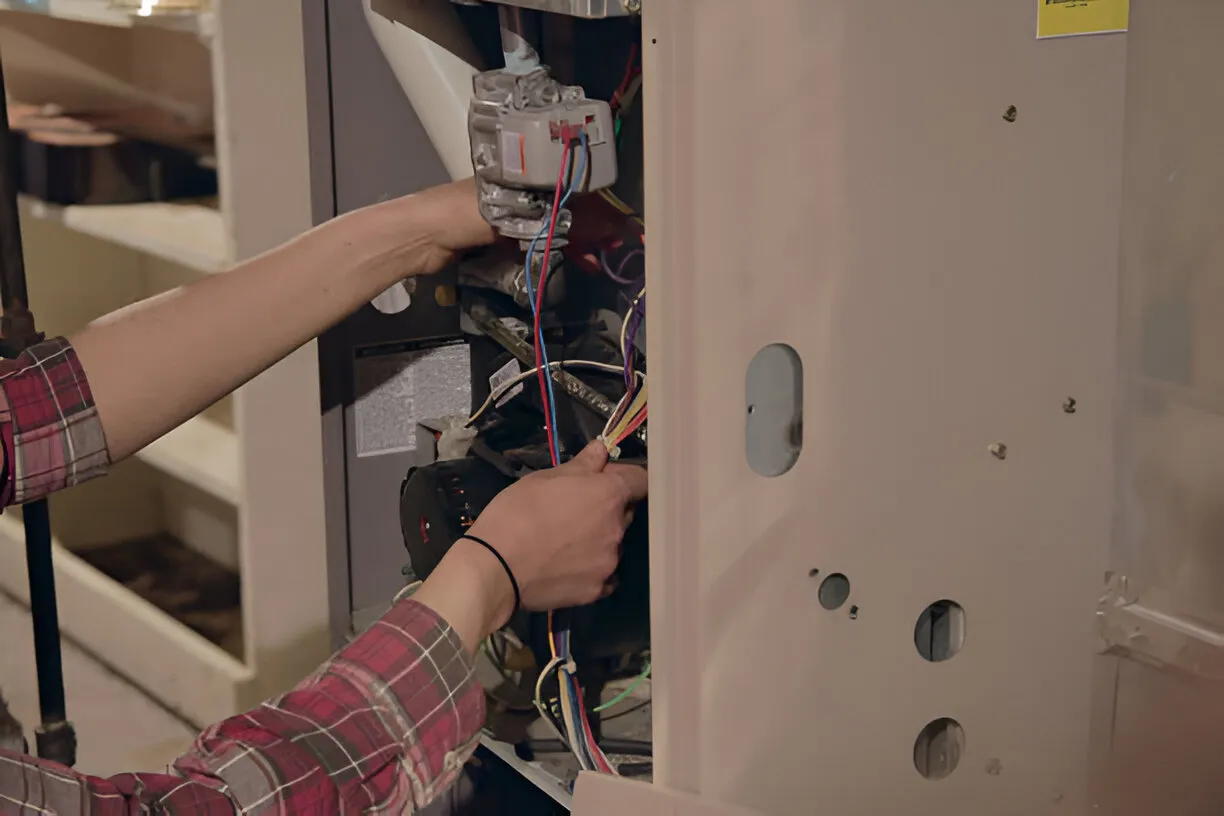
Why timely furnace repair matters in Westerville, OH
Westerville experiences cold winters and rapid temperature swings that increase furnace runtime and stress components. Extended use during November through March raises the risk of failures, decreased efficiency, and safety concerns like carbon monoxide exposure. Prompt repairs restore safe operation, improve efficiency to lower fuel costs, and reduce the chance of a complete breakdown during severe weather.
Common furnace problems in Westerville homes
- Ignition and flame issues
- Symptoms: furnace tries to light but shuts off, repeated clicking, or no flame.
- Common causes: failed hot surface ignitor, faulty ignition control module, or a dirty flame sensor.
- Pilot or standing pilot problems (older units)
- Symptoms: pilot won't stay lit or is weak.
- Common causes: blocked pilot orifice, draft issues, thermocouple failure.
- Blower and airflow problems
- Symptoms: weak heat circulation, loud blower noises, or furnace overheating and cycling off.
- Common causes: clogged filters, failing blower motor, bad capacitor, worn belt (in older belt-driven fans), or restricted ductwork.
- Thermostat and control issues
- Symptoms: furnace won’t turn on, short cycling, incorrect temperature.
- Common causes: miscalibrated thermostat, dead batteries, poor wiring connections, or control board faults.
- Electrical and safety control failures
- Symptoms: intermittent operation, no power to the unit, or persistent error codes.
- Common causes: tripped breakers, loose wiring, failed limit switches, or control board malfunctions.
Diagnostic process — what a technician will do
- Visual and operational inspection
- Check vents, flue, and combustion air openings for obstructions. Confirm burners and heat exchanger appearance.
- Ignition and fuel system testing
- Verify ignition sequence, test flame sensors, and inspect gas valves and pilot assemblies (if present).
- Electrical and control checks
- Measure voltages, test capacitors, motors, and relays. Read and interpret error codes from the control board.
- Airflow and distribution assessment
- Inspect filters, blower assembly, and return/supply ducts. Measure static pressure if needed.
- Safety and combustion analysis
- Perform a carbon monoxide check, draft test, and visual heat exchanger inspection. If combustion problems are suspected, technicians may use instruments to measure flue gases and CO levels.
All diagnostics are done with homeowner safety in mind. In Westerville’s tightly insulated homes, even small heat exchanger cracks can pose serious carbon monoxide risks, making thorough inspection essential.
Safety checks specific to furnace repair
- Carbon monoxide inspection
- A priority step. Technicians use CO detectors and combustion analyzers to ensure flue gases are venting properly and CO levels remain safe.
- Heat exchanger assessment
- Cracks or corrosion in the heat exchanger can allow combustion gases into the living space. Visible corrosion, rust flakes, or unusual odors will prompt closer evaluation. If a heat exchanger is compromised, replacement is usually recommended since repairs are unreliable for safety-critical cracks.
- Gas leak and pressure checks
- Gas-fired furnaces are checked for leaks and correct gas pressure to prevent unsafe operation.
- Vent and chimney inspection
- Ensure exhaust paths are clear, properly sloped, and not blocked by debris or nests—an important check in older Westerville neighborhoods with mature trees.
Typical parts replaced during furnace repair
- Ignitor or hot surface ignitor
- Flame sensor or thermocouple
- Ignition control module or gas valve
- Blower motor, blower wheel, or capacitor
- Limit switch, pressure switch, inducer motor
- Control board or relays
- Thermostat or thermostat wiring
- Filters, belts (on certain older models), and draft inducer components
Some parts, like a cracked heat exchanger, usually lead to recommending a furnace replacement rather than a repair due to safety and longevity considerations.
Emergency furnace repair options and safety steps
- If you smell gas or suspect a leak, leave the home immediately and follow gas company guidance; avoid using electrical switches or open flames.
- If you detect carbon monoxide (CO) alarm activation or experience symptoms like headaches, dizziness, or nausea, evacuate and seek fresh air; call emergency services as appropriate.
- For sudden heating failures in extreme cold, emergency repair protocols typically include temporary safety measures (shutting off gas if needed), priority diagnostic service, and temporary heating recommendations. Temporary solutions like space heaters can help but follow manufacturer and local safety guidelines to avoid fire hazards or CO risk.
Emergency service availability varies, but knowledgeable technicians will prioritize safety first, securing the home and making safe temporary fixes until full repairs or replacements can be completed.
Warranty and repair considerations in Westerville, OH
- Manufacturer warranties cover specific parts and durations defined in the furnace documentation; registration and routine maintenance can be required to keep those warranties valid.
- Service warranties (parts and labor) from a service provider typically cover the repair work performed; terms vary by provider and by part. Always request written warranty terms before work begins if warranty documentation is needed for peace of mind.
- Using certified technicians and keeping maintenance records helps preserve warranty coverage and supports future claims should additional issues emerge.
Maintenance tips to reduce repair needs
- Replace or clean filters monthly to maintain airflow and reduce blower strain.
- Schedule annual heating tune-ups in the fall before heavy use; preventive maintenance catches small issues early and improves efficiency.
- Keep vents and flues clear of obstructions like leaves or nests, especially in Westerville’s tree-lined neighborhoods.
- Monitor for early warning signs: uneven heating, increased fuel bills, unusual noises, yellow pilot flame, or frequent cycling. Addressing these early often avoids larger repairs.
Final thoughts
Furnace repair in Westerville, OH requires a balance of prompt diagnostics, safety-focused inspections, and properly executed part replacements. Given local climate stresses and the safety implications of combustion heating, timely professional attention protects your household, maintains efficiency, and extends equipment life. Regular maintenance, prompt attention to warning signs, and clear warranty awareness reduce downtime and keep homes warm and safe through Ohio’s coldest months.
Hot Deals & Cool Savings

.webp)
New Service Agreement Membership
.webp)
Any New Client Service
Next Service for Referring a New Client
New Service Agreement Membership
Any New Client Service
Next Service for Referring a New Client
.webp)
.webp)

Service Areas
