
Furnace Tune-Up in Westerville, OH
Professional furnace tune-up in Westerville, OH to boost reliability, efficiency, and safety. Schedule now for preventative care before winter.

Furnace Tune Up in Westerville, OH
Keeping your furnace running reliably through Central Ohio winters starts with a professional furnace tune up in Westerville, OH. A seasonal tune up reduces breakdown risk on the coldest nights, improves system efficiency, and helps your furnace deliver steady, safe heat for years. Westerville homes face cold, damp winters and wide temperature swings in shoulder seasons, which makes regular heating maintenance essential for consistent comfort and lower utility costs.
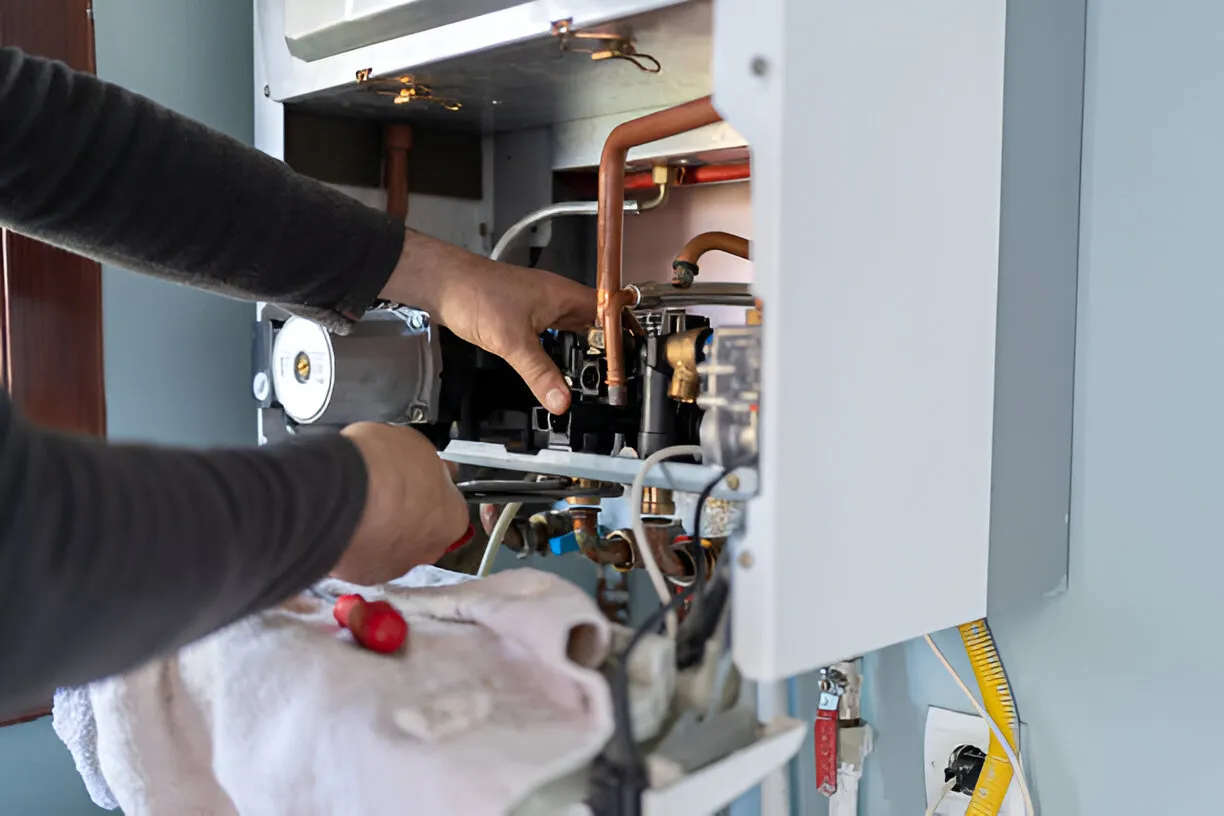
Common furnace problems in Westerville homes
- Clogged filters and restricted airflow from pollen in spring and winter dust accumulation.
- Dirty burners or flame sensors causing weak or unstable ignition.
- Faulty ignition or pilot systems leading to intermittent starts.
- Worn blower motors or belts that reduce airflow and increase energy use.
- Thermostat calibration drift, creating uneven temperatures and short cycling.
- Cracked heat exchangers or blocked venting that can compromise safety and combustion efficiency.
- Reduced efficiency after long summers with little use, especially in older furnaces common in many Westerville neighborhoods.
Understanding these issues helps homeowners prioritize preventative care before cold weather arrives.
What a complete furnace tune up includes
A thorough furnace tune up in Westerville covers mechanical, electrical, and safety checks. Typical procedures performed during a professional visit include:
- Visual inspection of the furnace cabinet and surrounding area for signs of leaks, corrosion, or improper clearances.
- Filter check and replacement or recommendation of the correct MERV-rated filter for your home.
- Cleaning burners and combustion chamber to restore full flame quality and correct combustion.
- Inspecting and cleaning the flame sensor, pilot assembly, or hot surface ignitor to ensure reliable starts.
- Testing ignition and safety systems, including rollout switches, limit switches, and pressure switches.
- Examining the heat exchanger for cracks, corrosion, or signs of stress that could pose safety risks.
- Checking and tightening electrical connections, testing capacitors, relays, and controls.
- Measuring airflow and static pressure; inspecting and cleaning the blower wheel and motor.
- Verifying thermostat operation and recalibrating controls, including zoning components if present.
- Checking draft and venting to ensure safe flue gas evacuation and proper combustion.
- Lubricating moving parts where applicable and checking belts and pulleys.
- Performance testing: measuring temperature rise across the furnace, verifying fuel pressure or gas valve operation, and checking overall system response.
These steps restore safe operation, identify potential failures before they happen, and optimize performance for the heating season.
Diagnostic process — what technicians look for
Technicians begin by interviewing you about recent performance: odd noises, uneven heating, higher bills, or odors. From there they follow a systematic diagnostic flow:
- Visual inspection and safety walkaround.
- Filter and airflow assessment to spot basic restrictions.
- Combustion and ignition checks to confirm efficient fuel use.
- Electrical system tests to find loose connections or failing components.
- Operational testing under load to measure temperature rise, cycling behavior, and airflow.
This methodical approach uncovers hidden problems and produces clear recommendations for repairs, parts replacement, or simple adjustments.
Performance optimization tips included with a tune up
A professional tune up also provides practical, homeowner-facing optimization advice:
- Replace filters regularly with the correct size and MERV rating for your system and indoor air needs.
- Keep supply and return vents unblocked and balanced to improve comfort on each floor.
- Seal and insulate accessible ductwork in unheated spaces to prevent heat loss common in older Westerville homes.
- Program your thermostat for setback schedules and consider a programmable or smart thermostat to reduce runtime without sacrificing comfort.
- Ensure proper combustion air and venting clearance around appliances that share space with the furnace.
Applying these tips after a tune up helps you maintain the efficiency gains technicians achieve during service.
Estimated service time and typical visit outline
Most comprehensive furnace tune ups take about 60 to 90 minutes for a single residential unit, depending on access, the system age, and whether additional repairs are needed. The visit typically follows this outline:
- 5 to 10 minutes: homeowner interview and initial safety check.
- 20 to 40 minutes: cleaning burners, flame sensor, and blower components.
- 15 to 25 minutes: electrical, ignition, and control tests.
- 10 to 15 minutes: performance measurements, filter replacement, and recommendations.
If parts are needed, a follow-up visit may be required to complete repairs.
Benefits of regular furnace tune ups in Westerville
- Improved reliability: Routine maintenance reduces the chance of midwinter breakdowns when temperatures dip.
- Better efficiency: Clean components and correct adjustments lower fuel consumption and utility bills.
- Longer equipment life: Regular care prevents accelerated wear and delays costly replacements.
- Enhanced safety: Inspections catch issues like cracked heat exchangers or venting problems before they become hazards.
- More consistent comfort: Proper airflow and balanced controls minimize hot or cold spots in your home.
Given Westerville winters, these benefits protect comfort and peace of mind when you need your heating the most.
After the tune up — what to expect
Following a professional tune up you should notice quieter operation, steadier indoor temperatures, and potentially lower gas usage. Technicians will provide a short, plain-language summary of findings, any recommended repairs, and maintenance intervals. Keep records of service dates and notes; these help track long-term system health and can be useful for warranty compliance or future resale.
Seasonal recommendations for Westerville homeowners
- Schedule a tune up before the heating season, ideally in early fall, to ensure readiness for the first cold snaps.
- For homes with high humidity or older duct systems, consider a combined duct inspection and cleaning to complement the furnace tune up.
- Enroll in an annual maintenance plan if you prefer scheduled visits and documented care that helps prolong system life.
Regular furnace tune ups are a practical, preventive step that keeps Westerville homes warm, efficient, and safe through the full winter season.
Hot Deals & Cool Savings

.webp)
New Service Agreement Membership
.webp)
Any New Client Service
Next Service for Referring a New Client
New Service Agreement Membership
Any New Client Service
Next Service for Referring a New Client
.webp)
.webp)

Service Areas
