
Heating Installation in Westerville, OH
Heating installation in Westerville, OH ensures precise sizing, code compliance, and efficient performance. Learn more about our process.

Heating Installation in Westerville, OH
Replacing or installing a new heating system is one of the most important home investments you can make in Westerville. Cold winters, periodic deep freezes, and older housing stock mean reliable, efficient heat keeps your family safe and utility bills manageable.
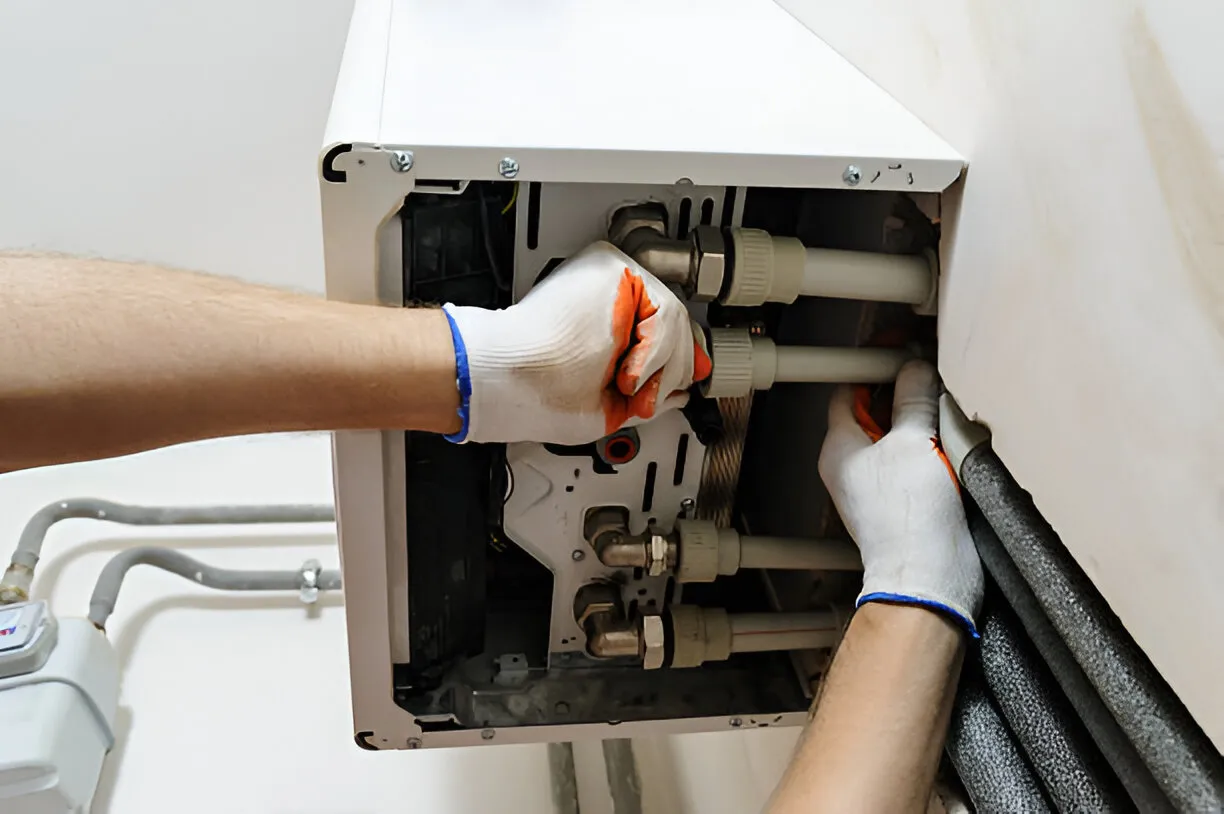
Why precise installation matters in Westerville, OH
Westerville experiences cold, wet winters with temperatures that routinely drop below freezing. Many homes in the area are older and may have undersized ductwork, leaky seals, or inconsistent insulation. A properly sized, code-compliant heating system:
- Keeps living spaces comfortable during extended cold spells
- Reduces energy use and monthly heating costs
- Lowers risk of freeze-related plumbing problems
- Extends equipment life and improves safety
Choosing the right equipment and following a thorough installation process directly affects system performance and long-term value.
Common heating types and common installation issues in Westerville, OH
Typical heating systems installed in Westerville homes include:
- Gas furnaces (single-stage, two-stage, modulating)
- High-efficiency condensing furnaces (AFUE 90%+)
- Heat pumps and ductless mini-splits (electric heat pump and cold-climate models)
- Boilers for hydronic systems
- Hybrid systems combining heat pump and furnace
Common installation problems seen locally:
- Incorrectly sized equipment that short-cycles or cannot meet design load
- Poor duct sealing and balancing leading to cold rooms
- Improper venting or combustion air provision for gas appliances
- Lack of permits or incomplete inspections resulting in code issues
- Thermostat wiring or control mismatches
Home assessment and load calculation
A professional installation begins with a full home assessment and a Manual J load calculation tailored to your Westerville home. This step accounts for:
- Square footage and ceiling heights
- Insulation levels, window types, and orientation
- Air leakage and duct condition
- Number of occupants and typical thermostat settings
A Manual J calculation yields the precise heating load in BTU per hour so the system you install matches your home. Oversizing is a common mistake that reduces efficiency and comfort; correct sizing avoids that.
Selecting energy-efficient equipment
Energy efficiency and suitability for local climate are priorities:
- For gas furnaces, look for AFUE ratings above 92% in Westerville to reduce winter fuel use.
- Cold-climate heat pumps and ductless systems can perform well here and often qualify for incentives.
- Variable-speed blower motors and modulating burners improve comfort, lower noise, and reduce energy consumption.
- Consider paired options like a heat pump with a gas furnace for best-winter efficiency.
Equipment selection should also consider existing ductwork, space constraints, and long-term utility cost projections.
Permitting and code compliance in Westerville
Installations must comply with Ohio building and mechanical codes and local Westerville building department requirements. Typical permit-related steps:
- Obtain a mechanical/heating permit for replacement or new systems
- Submit equipment specifications and installation plan if required
- Schedule inspections for gas connections, venting, ductwork, and final startup
Proper permitting protects safety, ensures compliance with combustion air and venting rules, and provides inspection records valuable for resale.
Step-by-step installation process
A professional heating installation in Westerville generally follows these steps:
- Pre-install preparation
- Site inspection and access planning
- Confirming removal path for old equipment
- Protecting floors and living spaces
2. Remove old equipment and prepare connections
- Safely disconnect utilities (gas, electric)
- Remove existing furnace or boiler and dispose per local regulations
- Inspect and repair or replace ductwork, flue, and gas piping as needed
3. Equipment placement and mechanical connections
- Position new unit, secure to required pads or supports
- Install gas line with approved fittings and leak testing
- Set up venting or chimney connections and combustion air provisions
- Make electrical connections and install disconnects per code
4. Ductwork and airflow balancing
- Seal and insulate ducts, replace flex as needed
- Install new plenums or transition pieces
- Adjust registers and dampers for balanced airflow
5. Controls and thermostat setup
- Install compatible thermostat and wiring
- Configure zoning controls or smart thermostats if used
6. Commissioning and tuning
- Start system, perform combustion efficiency tests if gas-fired
- Verify proper refrigerant charge for heat pumps
- Measure airflow, temperature rise, and operating pressures
- Calibrate controls and safety devices
Post-install testing and documentation
After installation, thorough testing ensures safety and performance:
- Carbon monoxide and combustion safety checks for gas equipment
- Electrical safety and proper grounding
- Verified system capacity and temperature rise within manufacturer specs
- Written documentation: equipment model numbers, serials, install date, and maintenance recommendations
Provide homeowners with operation tips, filter sizes, and a simple maintenance schedule to preserve efficiency.
Warranties and what to confirm
New heating equipment carries manufacturer warranties (compressor, heat exchanger, electronics) and typically a separate labor warranty. Before finalizing installation, verify:
- Manufacturer warranty duration and conditions
- Labor warranty length and what it covers (parts vs labor)
- Requirements to register the equipment to maintain warranty
- Recommended maintenance schedule to keep warranties valid
Document warranties and leave copies with the homeowner for future reference.
Financing options and considerations
Many Westerville homeowners use financing to spread the cost of high-efficiency replacements or full-system upgrades. Common structures include:
- Fixed-term equipment loans with monthly payments
- Deferred-interest or promotional financing for qualifying applicants
- Energy-efficiency incentives or tax credits that can offset initial cost
- Cash flow analysis comparing monthly heating savings to loan payments
When evaluating financing, compare total interest over the term and possible energy savings to determine net benefit.
Maintenance tips to protect your investment
To maximize lifespan and efficiency in Westerville winters:
- Replace filters regularly and schedule annual inspections before heating season
- Keep outdoor heat pump units free of debris and snow
- Seal and insulate ducts in unheated spaces
- Program thermostats to reduce runtime when the home is empty
- Address small issues early to avoid costly breakdowns during cold snaps
A properly installed and maintained heating system provides reliable warmth, lower utility bills, and peace of mind throughout Westerville winters.
Hot Deals & Cool Savings

.webp)
New Service Agreement Membership
.webp)
Any New Client Service
Next Service for Referring a New Client
New Service Agreement Membership
Any New Client Service
Next Service for Referring a New Client
.webp)
.webp)

Service Areas
