
Water Heater Replacement in Lancaster, OH
Water heater replacement in Lancaster, OH: learn sizing, fuel options, timelines, and maintenance to ensure reliable hot water and efficiency.

Water Heater Replacement in Lancaster, OH
A failing water heater disrupts daily life fast — no hot showers, laundry delays, and potential water damage from leaks. For homeowners in Lancaster, OH, timely and informed water heater replacement protects comfort and energy bills while preventing more costly problems later.
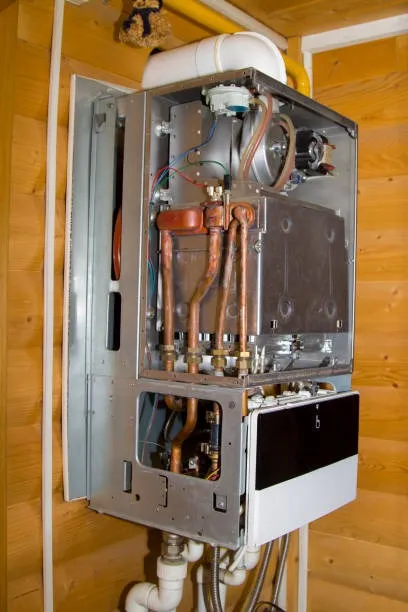
Why replacement is often the right choice for Lancaster homes
Lancaster experiences cold winters and many homes in the area have hard water, both of which influence water heater performance and lifespan. Hard water accelerates sediment buildup and corrosion in tanks, while colder incoming water increases the workload for heaters. When a unit is older than its expected service life or shows multiple failure signs, replacement is usually the better long-term option.
Common indications you need replacement rather than repair:
- Age: Units nearing or past typical service life (most tanks 8–12 years, older tankless components may vary).
- Multiple failures: Repeated repairs or escalating costs.
- Rusty or rusty-smelling water: Suggests internal corrosion.
- Visible leaks or pooling: Tank leaks are not repairable long-term.
- Very high energy use: Declining efficiency that won’t be corrected by simple fixes.
How technicians evaluate repair vs replacement
A professional evaluation typically covers:
- Visual inspection for corrosion, leaks, and installation problems.
- Testing thermostat and heating elements (electric) or burner and gas supply (gas).
- Checking anode rod condition and sediment level.
- Estimating remaining useful life and comparing repair cost to replacement cost.This structured assessment ensures the recommendation aligns with safety and long-term cost-effectiveness.
Choosing the right replacement: sizing and fuel type
Proper sizing and fuel choice are crucial for comfort and efficiency.
Tank systems (storage water heaters)
- Sizing: Choose by tank capacity and the unit’s first-hour rating (how much hot water it delivers in one hour). Typical household needs in Lancaster:
- Small household (1–2 people): 30–40 gallon tank
- Medium household (3–4 people): 40–50 gallon tank
- Larger or multiple-bath homes: 50+ gallon tank
- Fuel options: Natural gas is common in the region and often less costly to operate than electric, but local utility rates and available hookups matter.
Tankless systems (on-demand)
- Sizing: Based on required flow rate (gallons per minute, GPM) and temperature rise (difference between incoming groundwater temp in Ohio winters and desired output). Typical needs:
- Single sink or point-of-use: 1.5–3 GPM
- One shower and a sink: 4–6 GPM
- Multiple simultaneous fixtures: 6–10+ GPM
- Advantages: Endless hot water, smaller footprint, higher efficiency. Consider higher initial cost and potential need for larger gas line or upgraded electrical supply.
Tank vs tankless comparison — what Lancaster homeowners should weigh
- Upfront cost: Tanks are generally less expensive to purchase and install. Tankless has higher initial cost but can save on energy bills over time.
- Energy efficiency: Tankless typically wins for efficiency, especially for households with variable hot water use. Newer tank models with higher UEF ratings are more efficient than older tanks.
- Space and installation: Tankless frees up space and is good where basements or utility closets are limited. However, tankless installations can require venting changes, gas line upgrades, or electrical work.
- Maintenance: Tank systems need periodic flushing to remove sediment; tankless units benefit from descaling in hard-water areas like Lancaster.
- Longevity: Properly maintained tankless systems often have longer lifespans than tanks.
Removal and disposal procedures
Safe removal follows local regulations and environmental best practices:
- Fully drain the unit and disconnect fuel and electrical supplies.
- Properly cap or isolate gas lines and ensure any combustion air or venting work is addressed.
- Recycle or dispose of the old tank according to municipal rules; metal recycling is common for tanks.
- Handle contaminated water or residue from sediment responsibly to avoid soil or drainage contamination.
Typical timelines and what to expect
- Diagnostic visit and recommendation: Usually 30–60 minutes.
- Like-for-like tank replacement: Often completed in a single workday (3–6 hours) depending on access and fittings.
- Upgrade to tankless or major fuel/electrical/venting work: Can take longer — often a full day or up to two days if significant modifications are required.
- Permitting and inspections: Some installations require permits or inspections; factor in local permitting timelines when planning.
Warranty and maintenance plans
- Manufacturer warranties vary by model and component: tanks commonly have multi-year warranties, tankless units often have strong heat-exchanger coverage. Always confirm what components and labor are covered.
- Recommended maintenance to protect warranty and extend service life:
- Annual inspection and performance check.
- Flushing tank systems yearly (more often with hard water).
- Replacing anode rods when depleted.
- Descaling tankless units on a recommended schedule in hard-water areas.
- Checking venting, gas lines, and electrical connections.
Incentives for upgrading to higher-efficiency models
Higher-efficiency units can reduce operating costs and environmental impact. Local utilities, state programs, or federal incentives and tax credits may be available for high-efficiency gas or electric heat pump water heaters. Lancaster homeowners should consider efficiency ratings (look for UEF/EF) and ask about applicable rebates or incentive qualifications when comparing models.
Final considerations for Lancaster, OH homes
- Hard water in the Lancaster area makes regular maintenance and water treatment important for any new heater.
- Older homes may need upgrades to venting, gas supply, or electrical panels for modern systems — factor those into feasibility and timeline.
- Match system capacity to household patterns (morning showers, simultaneous loads) to avoid undersizing.Making a well-informed choice on replacement improves comfort, reduces surprise costs, and minimizes future disruptions. Proper sizing, attention to local water and climate conditions, and a clear understanding of maintenance and warranties are the most important factors when replacing a water heater in Lancaster, OH.
Hot Deals & Cool Savings

.webp)
New Service Agreement Membership
.webp)
Any New Client Service
Next Service for Referring a New Client
New Service Agreement Membership
Any New Client Service
Next Service for Referring a New Client
.webp)
.webp)

Service Areas
