
Tankless Water Heater in Lancaster, OH
Tankless water heater installation in Lancaster, OH: learn sizing, installation steps, and local rebates to save on energy.

Tankless Water Heater in Lancaster, OH
Upgrading to a tankless (on-demand) water heater in Lancaster, OH is a decision homeowners make to get continuous hot water, reduce energy waste, and free up space. For Lancaster households, local climate, water quality, and older home layouts all affect whether a tankless system is the best fit.
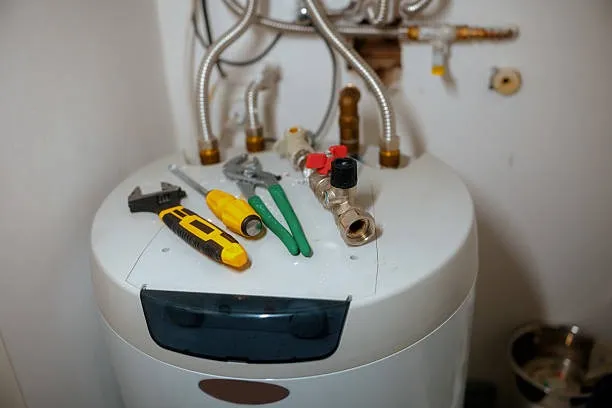
Why choose a tankless water heater in Lancaster, OH
- Continuous hot water for showers, laundry, and dishwashers without running out.
- Reduced energy use because there is no standby heat loss from a storage tank.
- Smaller footprint that fits in utility closets, basements, or on exterior walls.
- Longer typical service life and easier modular replacements for components.In Lancaster, cold winter feedwater and moderately hard water are practical factors to consider. Cold incoming water increases the temperature rise required, which can reduce flow at peak demand. Hardness increases scale buildup, so maintenance frequency should be part of your evaluation.
Common tankless system types and which homes they suit
- Whole-house gas-fired systems: Best for homes needing multiple simultaneous uses (2+ showers running with dishwasher). Require proper venting and gas capacity.
- Electric point-of-use or whole-house units: Easier to install where gas is not available, but may require significant electrical upgrades for whole-house use.
- Condensing gas units: Higher efficiency and better for homes with high hot water demand and where venting can be routed appropriately.
- Hybrid/combination systems: Integrate a small buffer tank with on-demand heating to reduce cold-water sandwich in frequent cycling scenarios.
Typical suitability scenarios:
- Smaller households (1-2 people) or second units often do well with a smaller electric or gas tankless.
- Larger families or homes with simultaneous high demand need higher flow-rate models or multiple units.
How sizing and household demand are determined
Sizing a tankless system is about two numbers: required flow rate (gallons per minute, GPM) and required temperature rise.
- Estimate peak simultaneous demand: add typical fixture flows (shower 1.5-2.5 GPM, kitchen faucet 1-2 GPM, dishwasher 1-2 GPM). A typical 3-bedroom Lancaster home might need 6 to 9 GPM for simultaneous uses.
- Determine temperature rise: subtract your incoming groundwater temp from desired hot water temp. Lancaster winters mean incoming water can be colder, increasing the required BTU or electrical capacity.
- Match product ratings: choose a unit that delivers the needed GPM at the calculated temperature rise. When winter groundwater is as low as the region experiences, a larger unit or a dual-unit setup may be needed to maintain flow.
A professional on-site assessment is strongly recommended to measure actual flow rates, incoming water temperature, and household patterns before final sizing.
Installation requirements and common upgrades
- Venting: Gas units require proper venting. Options include direct-vent and power-vent configurations. Older Lancaster homes with masonry chimneys may need new dedicated venting or relocation of the unit.
- Gas supply: Many whole-house gas tankless heaters require increased gas line diameter and pressure. An upgrade to the gas meter or line may be necessary.
- Electrical needs: Electric tankless units often need multiple 240V circuits. A service upgrade to 200 amp or additional circuits may be required for whole-house electric models.
- Water treatment: Hard water in the Lancaster area increases scale risk. A water softener or a scale-reduction device can extend system life and improve efficiency.
- Location and freeze protection: Exterior or unconditioned installations must have freeze protection. Installing units in conditioned basements or utility rooms is common to prevent winter damage.
Installation complexity varies by house age, layout, and whether utility upgrades are required. Professional installation ensures compliance with local codes and optimal performance.
Maintenance needs and troubleshooting tips
Regular maintenance keeps a tankless system reliable and efficient.
- Descale/flush: Flush the heat exchanger with a descaling solution or vinegar at least once a year in moderate hardness areas, more often if water is hard.
- Inlet filters and screens: Clean or replace inlet strainers to prevent debris from restricting flow.
- Inspect venting and condensation drains: Check for blockages, leaks, and proper slope on condensate lines for condensing units.
- Annual professional inspection: Have burners, ignition, pressure, and controls checked annually.
Common troubleshooting issues and what they indicate:
- No hot water: possible ignition failure, gas supply interruption, or electrical fault.
- Fluctuating temperature: can indicate undersized unit, low flow rate, or scale buildup on the heat exchanger.
- Cold water sandwich (brief cold spike between hot periods): occurs with on-demand systems during intermittent use; mitigated with small buffer tanks or flow devices.
- Reduced flow or overheating shutoffs: often caused by scale restricting heat exchange or inlet flow sensors detecting anomalies.
While some simple tasks are homeowner-manageable, professional diagnosis is recommended for persistent errors or when utility upgrades are needed.
Lifespan, efficiency, and cost comparison with traditional tanks
- Lifespan: Tankless systems commonly last 15-25 years with proper maintenance, compared to 8-12 years for conventional storage tanks.
- Efficiency: Tankless units eliminate standby losses and can be significantly more efficient for households that use hot water intermittently. Actual savings depend on usage patterns and local energy costs.
- Upfront and lifecycle costs: Tankless units typically have higher upfront equipment and installation costs, especially if gas or electrical upgrades are required. Over time, energy savings and longer life can offset initial investment, particularly in homes with moderate to high hot water demand.When evaluating costs in Lancaster, include potential home modifications (venting, gas line, electrical panel, water treatment) and expected maintenance for a clearer lifecycle comparison.
Rebates and financing options in Lancaster, OH
Local utilities, state incentives, and manufacturer programs sometimes offer rebates or financing for high-efficiency tankless systems. Available opportunities vary over time and may depend on fuel type, efficiency ratings, and installation requirements. Many homeowners in the Lancaster area can also explore low-interest financing or payment plans through equipment providers to spread installation costs. Check current local and utility offerings during your planning and budgeting stage.
Final considerations and maintenance advice for Lancaster homeowners
For Lancaster, OH homes, consider seasonal temperature swings and water hardness when choosing a tankless water heater. A properly sized and maintained system delivers continuous hot water, lower energy loss, and long-term value. Prioritize a professional suitability assessment that includes flow testing, incoming water temperature measurement, and a review of gas and electrical capacity. Regular descaling and preventive care will protect performance in Lancaster’s water conditions and extend the life of your system.
This overview equips you to compare models and understand installation and maintenance implications specific to Lancaster, OH, so you can select the tankless solution that best fits your home and hot water needs.
Hot Deals & Cool Savings

.webp)
New Service Agreement Membership
.webp)
Any New Client Service
Next Service for Referring a New Client
New Service Agreement Membership
Any New Client Service
Next Service for Referring a New Client
.webp)
.webp)

Service Areas
