
Water Heater Installation in Lancaster, OH
Water Heater Installation in Lancaster, OH: professional service, code-compliant, and efficient solutions. Learn more about sizing, permits, and the installation process.

Water Heater Installation in Lancaster, OH
Replacing or installing a new water heater is one of the most impactful home upgrades for comfort and energy savings in Lancaster, OH. Whether you are upgrading a failing tank, switching fuel types, or choosing a high-efficiency model, a properly managed installation prevents common failures, meets local code, and delivers reliable hot water through Ohio winters.
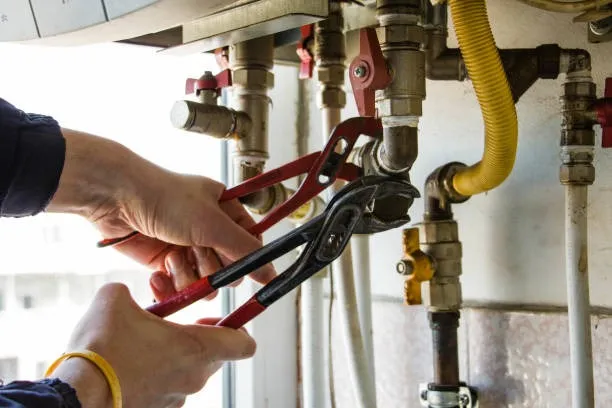
Why a professional water heater installation matters in Lancaster, OH
Lancaster experiences cold winters and seasonal demand spikes that stress aging water heaters. Improper sizing, venting, or fuel connections create safety risks, poor performance, or higher operating costs. A professional installation ensures correct unit sizing, code-compliant venting and combustion air for gas units, proper electrical work for electric or heat pump models, and safe disposal of the old equipment. Choosing the right system now also reduces long-term energy bills and downtime during peak usage.
Common water heater installation types and how to choose
- Conventional tank water heaters (gas or electric): Best for typical family homes with steady, predictable hot water needs. Common tank sizes in homes range from 40 to 80 gallons depending on household size and peak demand.
- Tankless (on-demand) water heaters: Provide continuous hot water and save space. Require correct gas line sizing or upgraded electrical service and careful flow rate (GPM) calculation to meet simultaneous fixtures.
- Heat pump (hybrid) water heaters: Highly energy-efficient for homes with adequate conditioned or mildly warm installation space. They often qualify for rebates or incentives but need room and airflow to operate efficiently during Lancaster winters.
- High-efficiency condensing gas units: Great where long vent runs are needed; they recover additional heat from flue gases and can lower fuel use.
Factors for Lancaster homeowners: natural gas availability, local energy prices, basement or utility closet space, and the need to avoid frozen lines or poor combustion during cold months.
Site assessment and unit sizing
A thorough site assessment includes:
- Measuring available clearance, venting paths, and access for removal of the old unit.
- Checking existing gas line capacity or electrical panel room for upgrades.
- Reviewing household hot water usage patterns to determine correct tank capacity or tankless flow rate (GPM) and temperature rise requirements.
- Inspecting water quality and hardness common to central Ohio, since hard water impacts element life and sediment buildup.
Proper sizing prevents short cycling, inadequate hot water, and excessive energy use. For tank systems, installers calculate first hour rating and typical draw patterns. For tankless systems, installers total expected simultaneous GPM and factor in Lancaster’s incoming groundwater temperature for accurate sizing.
Fuel-type recommendations for Lancaster homes
- Natural gas: Often delivers lower operating costs and fast recovery, but requires code-compliant venting, combustion air, and gas-line sizing. Winter drafts and venting must be checked carefully.
- Electric: Simpler installation when adequate electrical capacity exists and offers reliability where gas is unavailable. Electric resistance tanks are less efficient than heat pump models.
- Heat pump (electric hybrid): Best long-term efficiency in conditioned spaces. Performance dips in very cold ambient conditions, so placement matters in Lancaster’s climate.
- Tankless (gas or electric): Excellent for on-demand needs and energy savings when sized correctly; gas models generally offer higher flow rates for multiple fixtures.
Permits, code compliance, and safety
Installations must meet state and local codes, including safe venting, pressure relief valve placement, seismic strapping if required, and proper combustion air for gas units. Typical steps:
- Pulling necessary permits with the Lancaster or Fairfield County building department.
- Scheduling inspections for gas connections, electrical service upgrades, and final plumbing.
- Installing required safety devices such as expansion tanks, temperature and pressure relief valves, and drip pans where needed.
Permits and inspections protect your home and preserve manufacturer warranty coverage.
Professional installation process and timeline
Typical installation workflow:
- Pre-install site assessment and final unit selection based on sizing and fuel type.
- Obtain permits and order equipment and required materials.
- Remove and properly drain the old water heater; disconnect fuel, water, and electrical lines.
- Make any gas, venting, or electrical upgrades needed for the new model.
- Position and secure the new unit, connect plumbing, gas, venting, and electrical. Install safety devices and insulation as needed.
- Commissioning: fill the tank or purge air in tankless lines, check for leaks, perform combustion analysis for gas units, set thermostat and perform final tests.
- Final inspection and paperwork for permits and warranty registration.
Timeline expectations:
- Like-for-like tank replacement: commonly 4 to 8 hours on-site.
- Unit upgrades that require new gas lines, venting reroutes, or electrical panel changes: 1 to 2 days, possibly longer if permits or utility coordination are needed.
- Tankless or heat pump installations with extensive modifications: may require multiple visits and permit lead time that can extend the schedule by several days to a few weeks.
Removal, disposal, and environmental considerations
Old water heaters must be drained, disconnected, and disposed of in accordance with local regulations. Many Lancaster-area waste facilities recycle steel tanks and properly handle any residual hazardous materials. A professional installer will handle safe transport and recycling or disposal documentation where required.
Warranty, post-installation testing, and documentation
After installation, expect:
- Manufacturer warranty for the unit and separate labor warranty from the installer. Warranty length and coverage vary by model and may require proper installation and registration.
- Post-installation tests including leak checks, temperature rise verification, pressure relief valve testing, and combustion efficiency testing for gas units.
- Documentation of work performed, permit sign-off, and instructions on routine maintenance to preserve warranty coverage.
Store installation records and warranty cards; they are essential if future warranty claims or resale disclosure is needed.
Maintenance to maximize lifespan and performance
Regular maintenance extends service life and maintains efficiency:
- Flush tank-style heaters annually to reduce sediment and improve recovery.
- Check and replace the sacrificial anode rod every 2 to 5 years depending on water quality.
- Inspect and test the pressure relief valve annually.
- For heat pump units, keep coils and airflow clear and schedule annual service.
- For tankless units, perform descaling or water quality treatment if hard-water conditions are present in Lancaster.
Rebates, financing, and energy incentives
Energy-efficient models like heat pump water heaters and ENERGY STAR certified units may qualify for federal tax credits, state incentives, or local utility rebates. Lancaster homeowners should review local utility efficiency programs and keep purchase and installation receipts and efficiency labels for incentive applications. Many installation providers also offer financing options to spread the upfront cost for higher-efficiency systems.
Hot Deals & Cool Savings

.webp)
New Service Agreement Membership
.webp)
Any New Client Service
Next Service for Referring a New Client
New Service Agreement Membership
Any New Client Service
Next Service for Referring a New Client
.webp)
.webp)

Service Areas
