
Water Heater Repair in Lancaster, OH
Lancaster, OH water heater repair services with rapid diagnostics and transparent options. Schedule service today for reliable hot water and peace of mind.

Water Heater Repair in Lancaster, OH
When your water heater fails, it disrupts daily life in Lancaster, OH homes and businesses quickly. Whether you have no hot water, notice a leak, hear banging noises, or smell gas, professional water heater repair in Lancaster, OH focuses on rapid diagnostics, clear repair options, and repairs that restore reliable hot water while protecting your property from further damage.
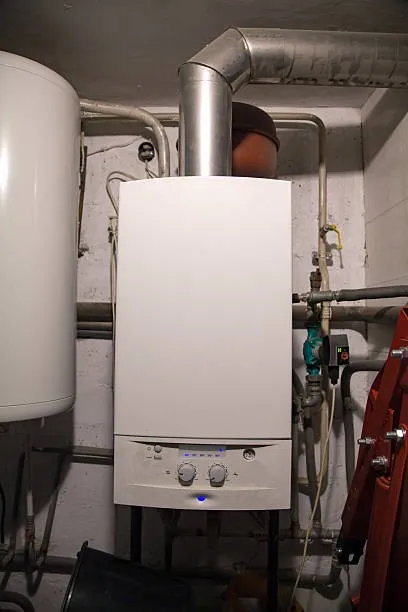
Why prompt repair matters in Lancaster, OH
Lancaster sees cold winters that increase hot water demand and stress older water heaters. Local groundwater mineral content can accelerate sediment buildup in tanks, reducing efficiency and causing premature failure. Addressing issues early prevents:
- Burst tanks and water damage during freeze and thaw cycles
- Higher energy bills from inefficient heating
- Safety hazards from gas leaks or failed pressure relief valves
Common water heater issues in Lancaster, OH
Residents and businesses commonly request repairs for:
- No hot water or insufficient hot water: could be failed thermostat, heating element, or gas control on gas units.
- Intermittent or fluctuating temperatures: often thermostat or element problems, or sediment limiting heat transfer.
- Leaking tank or fittings: corrosion, loose connections, or failed valves.
- Strange noises: popping or banging from sediment buildup in tanks.
- Water discoloration or metallic taste: rusted tank interior or corroded anode rod.
- Pilot light or ignition problems on gas models: faulty thermocouple, gas valve, or burner issues.
- Rapid pressure or relief valve discharge: faulty temperature and pressure relief valve or excessive pressure.
Commercial properties also face capacity and recovery rate failures, scaling that reduces flow, and control issues affecting multiple units or systems.
On-site diagnostic process
A structured diagnostic keeps repairs efficient and transparent. Typical on-site steps:
- Safety check: verify gas/electric disconnects, check for leaks, and ensure safe access.
- Interview and symptom review: confirm times, patterns, and any recent maintenance.
- Visual inspection: check fittings, valves, venting, flue, tank integrity, and signs of corrosion.
- Operational tests: measure outlet temperature, check thermostat settings, test elements or burners, and inspect ignition systems.
- Water quality and pressure checks: identify hard water or pressure issues that affect longevity.
- Diagnostic summary and options: provide an itemized explanation of the failing components and recommended repairs or replacement.
Diagnostics in Lancaster may also include assessing freeze protection and pipe insulation needs for homes that experience frigid conditions.
Common part replacements and repairs
Repair work typically focuses on replacing failed components rather than full units when feasible. Common fixes include:
- Heating elements: electric element replacement to restore heat production.
- Thermostats and temperature sensors: to stabilize temperature control.
- Anode rod replacement: extends tank life by preventing interior corrosion.
- Pressure and temperature relief valves: critical safety components that must function correctly.
- Drain valves: replace seized or leaking valves to enable future maintenance.
- Gas control valves, thermocouples, and pilot assemblies: for gas-fired heater reliability.
- Dip tubes and fittings: restore proper hot water delivery and eliminate cross-mixing.
- Tank repairs or patching: limited and often temporary; many leaks necessitate replacement.
For tankless systems, common repairs include descaling, replacing heat exchangers or ignition modules, and cleaning flow sensors.
Estimated repair timelines
Repair times depend on the issue and parts availability:
- Simple part swaps (thermostat, element, valve): typically completed in a few hours.
- Sediment flushing or anode rod replacement: a few hours with downtime while tank refills and heaters restart.
- Gas control or combustion system repairs: 2 to 4 hours, depending on adjustments and safety testing.
- Commercial unit repairs or parts requiring special ordering: can extend to 1 to 3 days.Emergency repairs outside normal hours may be completed the same day for safety-critical issues like leaks or gas smells.
Emergency repair availability
Emergency water heater issues are treated as urgent in Lancaster, OH due to cold weather risks and potential property damage. Emergency services typically prioritize:
- Active gas leaks or strong odor of gas
- Significant leaks or flooding
- No hot water in critical commercial systems
- No hot water in winter with freezing risk to pipes
Emergency response includes temporary measures to stop water flow, stabilize systems, and secure the site until permanent repairs or replacements can be completed.
Transparent estimates and pricing approach
A clear estimate helps you choose the right path. Expect:
- An itemized diagnostic summary explaining labor, parts, and any required permits
- Options comparing repair versus replacement, with estimated lifespans and cost implications
- Disclosure of any additional costs such as disposal, municipal permits, or extended warranties
- Explanation of any diagnostic fee and how it applies to repair work
This transparency helps homeowners and businesses in Lancaster weigh short-term fixes against long-term value for their specific property and usage patterns.
Warranty and reliability information
Reliable repair work typically includes:
- Parts warranties: manufacturer or aftermarket warranties for replaced components
- Labor warranty: a finite period covering workmanship for the completed repair
- Guidance on manufacturer warranties: how repairs may affect existing equipment warranties and when a full replacement is the better option
Regular maintenance, proper installation, and prompt repairs help preserve warranty coverage and prolong unit life.
Maintenance tips to extend water heater life in Lancaster
Simple maintenance reduces the frequency of repairs and improves efficiency:
- Annual flush to remove sediment from tank-type heaters, especially in areas with mineral-heavy water.
- Inspect and test the pressure relief valve yearly to ensure it opens and closes properly.
- Replace the anode rod every 3 to 5 years depending on water chemistry and rod condition.
- Insulate exposed hot water pipes and the tank to reduce heat loss and protect against freezing in winter.
- Lower thermostat to 120 degrees Fahrenheit for safety and energy savings while reducing scale formation.
- Schedule annual professional inspections to catch small issues before they become major failures.
For tankless systems, plan for periodic descaling based on local water hardness and usage to prevent heat exchanger damage.
Final considerations for Lancaster property owners
Choosing repair over replacement depends on unit age, repair cost relative to replacement, and local factors like seasonal usage and water quality. In Lancaster, OH the combination of cold winters and mineral content makes proactive maintenance and timely repairs especially valuable. Clear, honest diagnostics and itemized estimates let you decide what is best for your home or business with confidence and minimal disruption.
Hot Deals & Cool Savings

.webp)
New Service Agreement Membership
.webp)
Any New Client Service
Next Service for Referring a New Client
New Service Agreement Membership
Any New Client Service
Next Service for Referring a New Client
.webp)
.webp)

Service Areas
