
Mini Split Tune-Up in Westerville, OH
Schedule a professional mini-split tune-up in Westerville, OH to boost efficiency, prevent problems, and keep your home comfortable. Learn more.

Mini Split Tune-Up in Westerville, OH
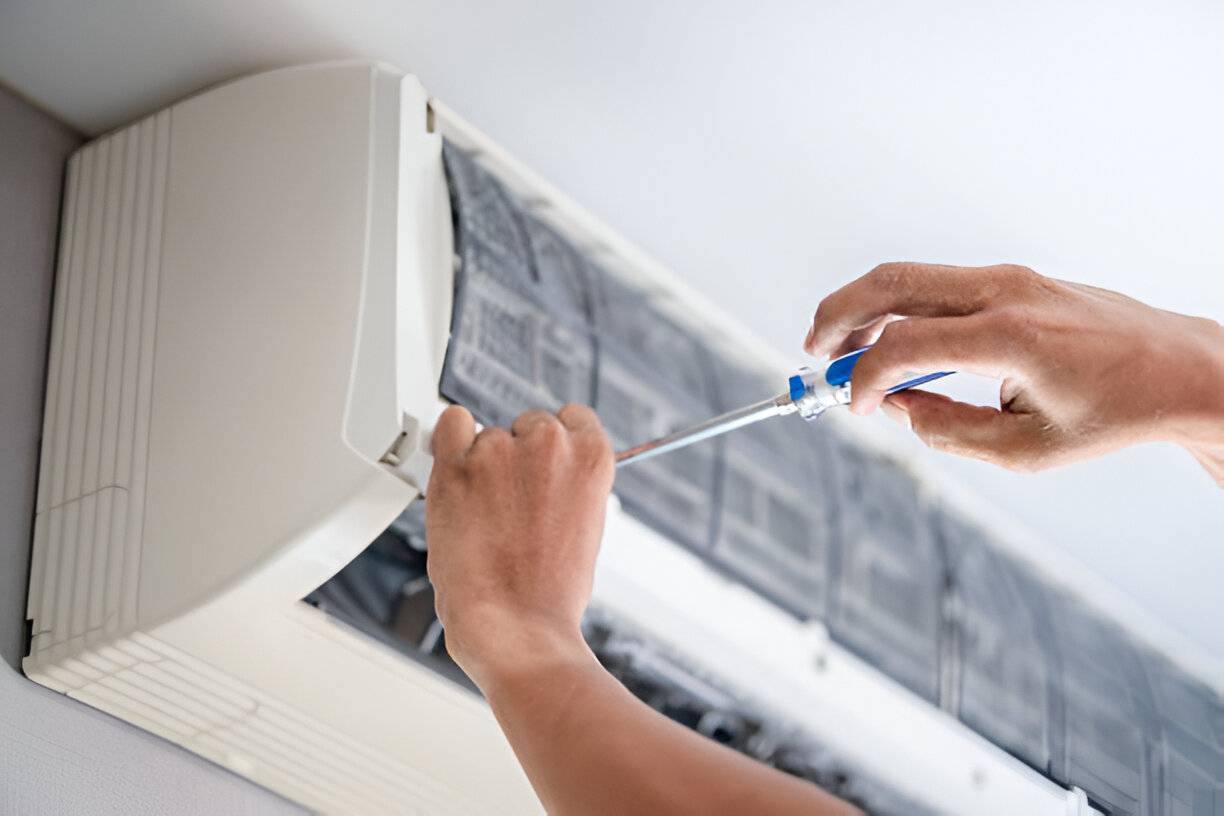
A properly maintained mini-split system keeps your Westerville home comfortable year-round while avoiding costly breakdowns during hot, humid summers or sudden cold snaps. A Mini Split Tune-Up in Westerville, OH is a hands-on inspection and performance service that restores efficiency, checks safety systems, and documents any issues before they become emergency repairs.
Why a tune up matters in Westerville
Westerville experiences warm, humid summers and alternating freeze-thaw conditions in shoulder seasons. Those conditions increase coil fouling, strain compressors, and can cause drainage and freeze problems on ductless systems. Routine tune ups:
- Reduce energy use by restoring designed airflow and refrigerant balance
- Prevent condensate backups that lead to indoor water damage or mold
- Detect electrical or refrigerant issues early, avoiding mid-season failures
- Maintain comfort in multiple zones without overworking single components
Common mini-split issues in Westerville homes
- Dirty or clogged filters reducing airflow and causing frosting in cooling mode
- Outdoor unit debris buildup from leaves, grass clippings, and pollen
- Evaporator and condenser coil fouling from humidity and airborne particulates
- Loose electrical connections or worn fuses that create intermittent operation
- Refrigerant undercharge or overcharge leading to poor cooling/heating and higher energy use
- Drain pan clogs or frozen drains causing water leaks indoors
- Thermostat or remote calibration drift causing incorrect setpoints
What a Mini-Split Tune Up includes (checklist)
A professional tune up follows a standardized checklist to ensure safety and performance. Typical tasks performed during a Mini-Split Tune Up in Westerville, OH:
- Filter inspection and cleaning or replacement recommendation: remove, clean washable filters, or advise on replacement frequency
- Evaporator coil cleaning: gentle cleaning of indoor coils to remove dust and biofilm that reduce heat transfer
- Condenser coil cleaning: removing debris and buildup from the outdoor unit for efficient heat rejection
- Electrical inspection: check terminal tightness, contactors, fuses, and transformer connections for signs of overheating or wear
- Refrigerant pressure check: measure operating pressures and temperatures to identify leaks or incorrect charge (no refrigerant added unless approved)
- Airflow and fan motor check: verify blower wheel rotation, fan belt condition (if applicable), and airflow patterns through each indoor head
- Thermostat/remote calibration: confirm setpoint accuracy and control response in each zone
- Condensate drain and pan cleaning: clear drain lines and confirm proper drainage to prevent backups
- Safety and protective checks: inspect safety controls, float switches, and ground connections
- Operational run test: monitor system through a full cycle to log temperatures, pressures, and run times
- Documentation and recommendations: provide a concise diagnostic summary and prioritized repair or replacement recommendations
Typical duration and what affects timing
Most tune ups for a single indoor head with its outdoor condensing unit take about 45 to 90 minutes, depending on:
- Accessibility of indoor heads and outdoor unit
- Amount of dirt or biological growth on coils
- Number of indoor heads on a multi-zone system
- Need for additional diagnostics when an issue is detected
If the technician finds an active refrigerant leak, a failed electrical component, or severe coil damage, additional diagnostic time or follow-up repairs may be necessary.
Safety and performance checks explained simply
- Electrical safety: Tight connections and proper insulation prevent arcing and component failure. Loose terminals or corroded wires are identified and noted for repair.
- Refrigerant balance: Proper refrigerant pressures ensure the system moves heat efficiently. Imbalance causes poor comfort and short cycling.
- Condensate management: Clearing drains prevents overflow and mold growth inside your living spaces.
- Coil cleanliness: Clean coils transfer heat better, lowering run times and energy use while improving capacity.
- Controls verification: Ensures thermostats and remotes communicate correctly and zone sensors are accurate.
Before-and-after: what you will notice
Before tune up
- Weak airflow or uneven room temperatures
- Longer run times to reach setpoint
- Increased noise, rattles, or vibration
- Visible dust on indoor units and reduced indoor air quality
- Intermittent operation or frequent short cycles
After tune up
- Stronger, more consistent airflow and faster reach of set temperatures
- Quieter operation and stabilized run cycles
- Cleaner indoor units and lower dust recirculation
- Improved energy efficiency and often reduced monthly utility impact
- Inspector notes detailing any required follow-up repairs and why they matter
Common repairs discovered during tune ups (what they mean)
- Refrigerant leak: Requires leak locating and repair plus recharge; left unchecked it shortens compressor life.
- Failed fan motor or capacitor: Reduces airflow or stops condensing unit operation; affects both cooling and heating performance.
- Corroded electrical terminals: Can cause intermittent failures and are a fire risk if not corrected.
- Severely fouled coils: When cleaning is insufficient, coil replacement may be recommended to restore capacity.
How to prepare for a service visit
- Clear access to indoor heads and the outdoor unit (remove plants, toys, snow)
- Make sure pets are secure away from the work area
- Note any recent system behavior issues, odd noises, or unusual odors to share with the technician
- If you have multiple indoor units, list priority areas so the technician can focus on zones that matter most
Best times to schedule in Westerville
- Spring (before heavy cooling season) is ideal for cooling-focused tune ups to avoid peak summer wait times
- Early fall is best for heat pump systems to verify heating performance before colder weather
- Avoid scheduling in the middle of heat waves when technicians are busiest and emergency calls increase
Long-term benefits and maintenance advice
Regular tune ups improve system longevity, maintain warranty compliance for many manufacturers, reduce energy expenditures, and increase household comfort. For Westerville homes coping with seasonal pollen, humidity, and leaf debris, semi-annual inspection cycles (pre-summer and pre-winter) are recommended for multi-zone systems to catch seasonal issues early.
A properly documented tune up gives homeowners confidence through a written summary of findings, recommended repairs, and clear explanations of what was adjusted. That documentation helps prioritize necessary work, budget for future replacements, and track long-term performance trends for each indoor head in your ductless system.
If you own a mini-split in Westerville, predictable performance and lower long-term operating costs start with routine, professional tune ups timed to local climate demands. A thorough tune up identifies small problems before they become disruptive or expensive, keeping each zone of your home comfortable when you need it most.
Hot Deals & Cool Savings

.webp)
New Service Agreement Membership
.webp)
Any New Client Service
Next Service for Referring a New Client
New Service Agreement Membership
Any New Client Service
Next Service for Referring a New Client
.webp)
.webp)

Service Areas
