
Mini Split Service in Westerville, OH
Westerville mini-split service keeps ductless systems efficient year-round with on-demand repairs, scheduled maintenance, diagnostics, and smart-control upgrades. Learn more.

Mini Split Service in Westerville, OH
Mini-split systems are a popular solution for Westerville homes that need zoned heating and cooling without ductwork. Proper, regular service keeps these ductless systems running efficiently through Ohio summers and cold winters, reduces breakdown risk, and extends equipment life. Below is a clear, decision-focused guide to on-demand and scheduled mini-split service in Westerville, OH, what technicians inspect and repair, and what homeowners should expect from professional care.
Why professional mini-split service matters in Westerville
Westerville experiences humid summers, pollen-heavy springs, and freezing winters that can stress mini-split components. Moisture and seasonal debris can clog filters and coils, refrigerant performance can drop with age or leaks, and controls may need recalibration. Professional service addresses these seasonal effects, optimizing comfort and lowering operating costs. Timely maintenance also prevents emergency failures during peak cooling or heating periods.
Common mini-split issues in Westerville
- Reduced cooling or heating capacity, often caused by dirty filters, restricted airflow, or low refrigerant.
- Unusual noises from indoor or outdoor units indicating loose components, failing fans, or compressor stress.
- Frequent cycling or short-cycling that raises energy use and wears components prematurely.
- Water leaks or overflowing drip pans from blocked condensate drains or improper slope.
- Inaccurate temperature control due to thermostat or remote-control failures, sensor drift, or communication errors.
- Ice buildup on evaporator coils during cold weather, often related to refrigerant issues or obstructed airflow.
Types of service available
- On-demand repair service for sudden failures, noises, or leaks.
- Scheduled inspections and preventative maintenance visits (pre-summer and pre-winter recommended).
- Seasonal tune-ups that include cleaning, safety checks, and performance verification.
- Diagnostic troubleshooting for intermittent problems and electrical faults.
- Control and thermostat support, including programming, sensor checks, and communication testing.
- Part repair and replacement, plus recommended upgrades for efficiency or control improvements.
- Service agreements offering recurring maintenance visits, priority service, and predictable intervals.
What a professional inspection includes
A full mini-split inspection typically covers both indoor air handlers and the outdoor condenser or heat pump. Technicians will:
- Visually inspect for physical damage, loose mounts, and proper clearances around the outdoor unit.
- Check refrigerant charge and pressures to identify leaks or under/overcharging that reduce efficiency.
- Measure temperatures and airflows to verify system output matches design expectations.
- Test electrical connections, contactors, capacitors, and safety controls for wear or imminent failure.
- Inspect and test reverse cycle/defrost function on heat-pump-based mini-splits used for winter heating.
- Evaluate drain pans and condensate drains for blockage and proper drainage to prevent indoor water damage.
Routine servicing tasks explained
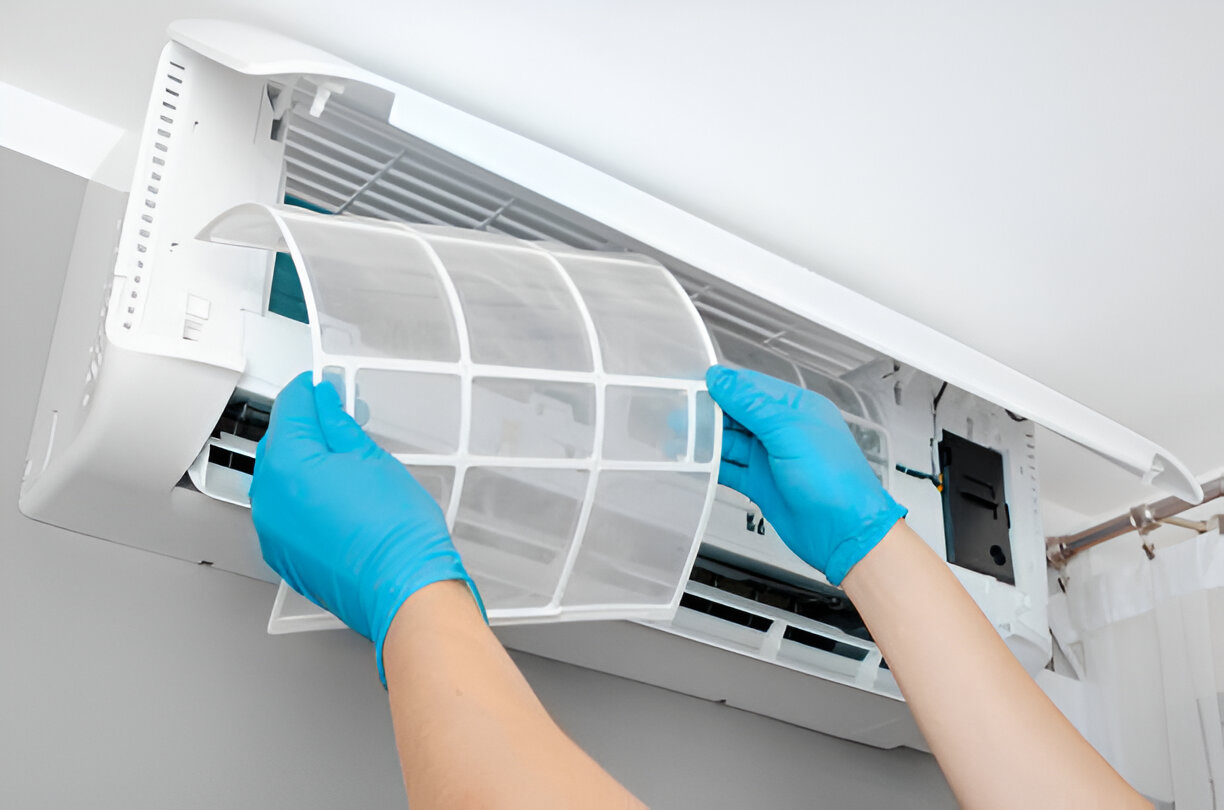
- Filter checks and cleaning: Filters should be checked every 1 to 3 months in active seasons. Dirty filters reduce airflow and strain the system. Technicians clean or replace filters and advise on user-cleaning intervals.
- Coil cleaning: Evaporator and condenser coils collect dirt and pollen. Annual coil cleaning restores heat transfer and efficiency; homes with heavy tree cover or pets may need more frequent attention.
- Refrigerant verification: Technicians measure refrigerant levels and pressures. Low charge often points to a leak that needs repair plus recharge. Proper refrigerant is essential for performance and compressor health.
- Fan and motor inspection: Outdoor and indoor fans are checked for balance, lubrication needs, and motor health to avoid noisy operation and energy loss.
- Condensate management: Drains and pans are cleared to prevent overflow and mold growth. In humid months local humidity can exacerbate condensation issues.
- Electrical and safety checks: Wiring integrity, fuses, and control boards are inspected to reduce fire risk and avoid intermittent failures.
- Performance testing: Final performance checks confirm temperature differentials, airflow, and system cycling are within manufacturer specifications.
Controls, thermostats, and smart integration
Mini-splits rely on accurate controls for zoning and efficiency. Service covers:
- Remote and wall-controller diagnostics to fix responsiveness or programming errors.
- Sensor calibration to ensure setpoint accuracy and prevent short-cycling.
- Wi-Fi and smart-home integration troubleshooting, including reconnecting controllers and updating firmware where applicable.
- Recommendations for upgraded controllers or thermostats that provide better scheduling, energy reports, and remote access.
Part upgrades and commonly replaced components
- Fan motors, capacitors, and contactors that show wear and cause startup problems.
- Expansion valves and sensors that affect refrigerant flow and efficiency.
- Drain pans, float switches, and condensate pumps to prevent water damage.
- Upgraded filters and air purifiers for improved indoor air quality during Westerville’s pollen season.
- Modern control modules or Wi-Fi adapters to add smart features to older mini-split systems.
Service agreements and recommended intervals
A maintenance agreement typically includes:
- Two seasonal inspections per year (spring and fall) focused on cooling and heating readiness.
- Priority scheduling for on-demand repairs and possible service discounts.
- Documentation of each visit and a recommended timeline for future maintenance or upgrades.
Recommended service intervals: - Filter checks: every 1 to 3 months during heavy use.
- Professional cleaning and inspection: at least once per year, preferably twice if the system handles both primary heating and cooling loads.
- Refrigerant and electrical checks: annually or when performance drops.
Benefits of professional mini-split service for Westerville homes
- Sustained comfort and consistent zone temperatures through humid summers and cold winters.
- Lower energy bills by restoring efficiency lost to dirty coils, low refrigerant, or faulty controls.
- Fewer emergency breakdowns by catching wear and faults early.
- Longer system life and preserved manufacturer warranties with documented maintenance.
- Better indoor air quality by keeping filters, coils, and drains clean during pollen season.
Final considerations for homeowners
Proper mini-split service is a blend of scheduled preventative care and fast, effective on-demand repairs when problems occur. Westerville homeowners benefit from seasonal tuning to address humidity and pollen impacts, and from control updates that simplify zoned comfort. Regular inspections, simple homeowner checks (filter cleaning, clear outdoor unit area), and documented service visits together preserve system performance, reduce total cost of ownership, and keep your home comfortable year round.
Hot Deals & Cool Savings

.webp)
New Service Agreement Membership
.webp)
Any New Client Service
Next Service for Referring a New Client
New Service Agreement Membership
Any New Client Service
Next Service for Referring a New Client
.webp)
.webp)

Service Areas
