
Mini Split Tune-Up in New Albany, OH
Mini Split Tune-Up service in New Albany, OH helps boost efficiency and comfort. Learn more and schedule your professional tune-up today.

Mini Split Tune-Up in New Albany, OH
A regular mini-split tune-up is one of the most cost-effective ways to protect comfort, reduce energy bills, and avoid mid-season breakdowns in New Albany, OH homes. Ductless systems are compact and efficient, but they still require professional inspection and adjustment to maintain peak performance—especially with Central Ohio’s humid summers and cold winters that place seasonal stress on refrigerant circuits, outdoor heads, and electrical components.
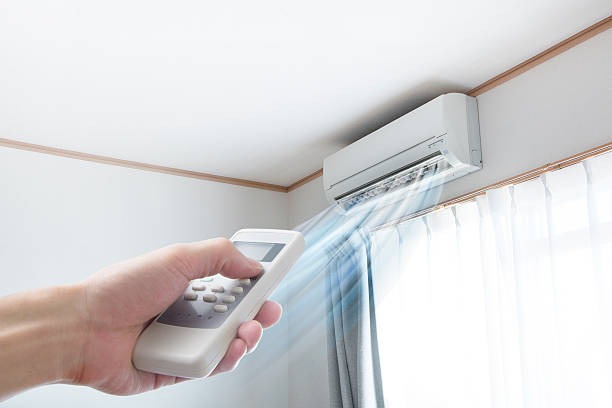
Why a tune up matters in New Albany
- Hot, humid summers increase run time and condensate production, which raises the risk of clogged drains and coil fouling.
- Frequent temperature swings in shoulder seasons mean more on/off cycling, which can stress compressors and electrical controls.
- Older homes in the area with added living space or recent renovations may have changed load needs, making thermostat calibration and airflow balancing important.
A professional tune up addresses these local stressors so your mini-split runs efficiently and reliably.
Common mini-split issues in New Albany, OH
- Reduced cooling or heating capacity due to low refrigerant or dirty coils
- Excessive cycling or short-cycling from incorrect thermostat calibration or control problems
- Restricted airflow from clogged filters, blocked indoor units, or impaired fan motors
- Moisture or condensate issues leading to overflow or mold growth in indoor units
- Electrical wear: failing capacitors, contactors, or loose connections that increase fire risk or cause system failure
- Outdoor unit debris, damaged fins, or compromised line-set insulation from yard maintenance and weather
What a professional mini-split tune up includesTechnicians follow a systematic checklist to evaluate performance, safety, and efficiency. Typical inspection and adjustment items:
- Visual inspection of indoor and outdoor units for physical damage, debris, and proper mounting
- Filter check and cleaning (or replacement if specified in the package) to restore airflow and indoor air quality
- Indoor coil cleaning to remove dust and biofilm that reduce heat transfer
- Outdoor condenser coil cleaning and fin straightening to optimize heat rejection
- Thermostat/controller calibration and remote control function test to ensure setpoints match actual output
- Refrigerant check: measure pressures and superheat/subcooling to confirm correct charge and detect leaks (tools used for diagnosis; refrigerant recovery and repair handled if needed)
- Compressor and motor health checks: amp draw testing and vibration assessment to detect early mechanical wear
- Fan motor and blade inspection and lubrication where applicable to maintain balanced airflow
- Electrical safety inspection: tighten connections, test capacitors, contactors, and safety interlocks for reliable operation
- Drain line and condensate pan inspection and cleaning to prevent clogs and water damage
- Line-set insulation and refrigerant connection checks to prevent energy loss and freeze issues
- System performance verification: measure supply/return temperatures, airflow patterns, and perform a temperature split test to confirm manufacturer performance expectations
- Diagnostic report documenting findings, recommended repairs, and efficiency observations
Expected duration and what to plan forA typical single-zone mini-split tune up takes about 60 to 90 minutes. Multi-zone systems require 30–60 minutes per additional zone depending on access and condition. Time allowances increase if diagnostic tests reveal leaks, electrical faults, or heavily soiled coils that need deeper cleaning. Technicians often perform most work on-site; more involved repairs (refrigerant recovery, compressor replacement) require additional scheduling.
Tune-up packages (feature-based, no pricing)
- Basic Tune Up
- Filter inspection/cleaning, thermostat check, visual inspection of indoor/outdoor units, condensate drain check, basic performance verification
- Standard Tune Up
- All Basic items plus coil cleaning, refrigerant pressure check, electrical terminal tightening, fan and motor inspection, simple lubrication
- Comprehensive Tune Up
- All Standard items plus amp draw and capacitor testing, airflow measurement, line-set insulation check, detailed diagnostic report with prioritized recommendations and efficiency optimization tips
Common outcomes after a professional tune up
- Improved energy efficiency and lower monthly utility usage as coils, fans, and refrigerant are optimized
- More consistent comfort with accurate thermostat control and balanced airflow across zones
- Fewer breakdowns and extended equipment life because small issues are caught before they become major failures
- Quieter operation from rebalanced fans and tightened electrical components
- Cleaner indoor air by restoring filter and coil performance and correcting drainage issues
Recommended frequency for New Albany homes
- Annual professional tune up is recommended for most mini-split systems, with two visits per year often advised for homes that rely on ductless systems year-round for both heating and cooling.
- Schedule a pre-summer tune up to prepare for long cooling runs and a pre-winter check if your system also serves as a heat pump. Seasonal visits align with local humidity and temperature cycles for best performance.
Simple maintenance homeowners can do between tune-ups
- Clean or replace filters monthly during heavy use periods to protect coils and maintain airflow
- Keep indoor units free of dust and clear of furniture or curtains that block airflow
- Clear debris and vegetation away from outdoor condensers to maintain proper airflow and reduce debris buildup
- Monitor performance: note unusual sounds, reduced capacity, water leaks, or erratic cycling and document when these began to help technicians diagnose quickly
When a tune up should become a repair visitIf you observe liquid refrigerant smells, hissing leaks, sudden loss of capacity, burning odors, tripped breakers linked to the mini-split, or visible refrigerant oil, treat the issue as urgent and schedule a diagnostic repair. A tune up often reveals early signs of these problems and can guide repairs before a costly failure.
Hot Deals & Cool Savings

.webp)
New Service Agreement Membership
.webp)
Any New Client Service
Next Service for Referring a New Client
New Service Agreement Membership
Any New Client Service
Next Service for Referring a New Client
.webp)
.webp)

Service Areas
