
Mini Split Replacement in New Albany, OH
Mini-split replacement in New Albany, OH: learn when to replace, the installation process, warranties, timelines, and how upgraded systems improve energy efficiency. Learn more.

Mini Split Replacement in New Albany, OH
Replacing a mini-split system is a major decision for New Albany homeowners who expect quiet, efficient, zoned comfort through humid summers and frigid Ohio winters.
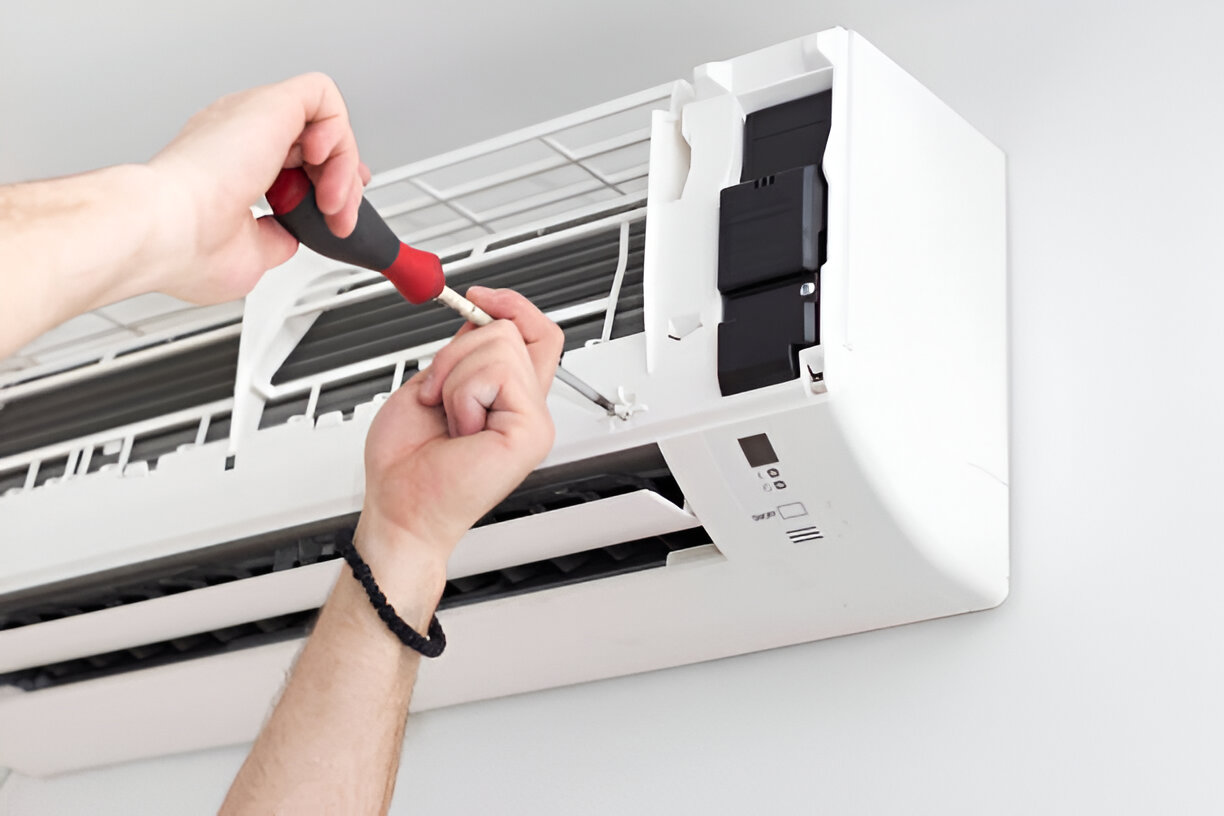
When to repair vs replace a mini-split
Choose replacement over repair when one or more of these apply:
- The system is older than 10 to 15 years and has declining efficiency and frequent breakdowns.
- Repairs are becoming frequent or costly (repairs totaling roughly half the cost of a new system or more is a common rule of thumb).
- The unit uses phased-out refrigerant (R22) or components are obsolete.
- The system no longer meets your comfort needs because of home renovations, added rooms, or desire for additional zones.
- Compressor failure or major refrigerant leaks that require extensive labor and refrigerant reclamation.
If issues are isolated (thermostat, fan motor, or minor leaks) and the system is relatively new, repair can be the right short-term choice. If reliability, efficiency, or the ability to add zones matters, replacement is often the smarter long-term investment.
Common mini-split problems in New Albany homes
- Reduced cooling or heating capacity due to low refrigerant, clogged coils, or aged compressors.
- Frequent short cycling from improper sizing or failing controls.
- Noisy operation from worn fans or loose mounts (more noticeable in otherwise quiet New Albany neighborhoods).
- Inadequate humidity control in humid July and August weather.
- Outdoor unit damage from winter ice, salt on nearby roads, or lawn maintenance activity.
Understanding the cause helps determine whether repair or full replacement delivers the best value and comfort outcome.
Mini-split replacement process — what to expect
A professional mini-split replacement follows a structured process to ensure correct sizing, efficient performance, and code compliance.
- System evaluation and diagnostics
- Inspect indoor and outdoor units, electrical connections, refrigerant lines, and ductwork (if present).
- Measure operating pressures, airflow, and control performance.
- Discuss household comfort goals, zone needs, and budget priorities.
2. Load calculation and sizing recommendations
- Perform a Manual J style load calculation to determine correct capacity for each zone, accounting for New Albany factors such as home orientation, insulation levels, window types, and tree cover.
- Recommend the right number of indoor heads and outdoor unit capacity to avoid short cycling and ensure even comfort.
3. Equipment selection: energy-efficient models and features
- Favor inverter-driven, variable-speed compressors and high SEER/HSPF ratings for efficiency and quieter operation.
- Consider multi-zone outdoor units if you want combined heating/cooling across multiple rooms, or single-zone units for targeted spaces.
- Discuss advanced controls (smart thermostats, Wi-Fi access, and zoning options) and filtration needs for improved indoor air quality.
4. Removal of the old system
- Recover and reclaim refrigerant per EPA regulations.
- Disconnect electrical and remove indoor heads and the outdoor compressor/condenser.
- Protect interior finishes and landscaping during removal.
5. Installation steps
- Install mounting brackets, pad or wall mounts for the outdoor unit, and wall plates for indoor units.
- Run and conceal refrigerant lines, condensate drains, and electrical wiring.
- Evacuate lines, charge the system accurately, and program controls.
- Test heating and cooling modes, airflow, and temperature response in each zone.
6. Permits, inspections, and disposal considerations
- Obtain required mechanical and electrical permits from local authorities (New Albany and Franklin/Licking county jurisdictions often require HVAC permits and inspections).
- Ensure refrigerant handling is performed by EPA-certified technicians and that refrigerant is properly reclaimed and disposed of.
- Recycle old equipment per local waste guidelines; provide documentation for disposal when required.
Warranties, financing, and incentives
- Most new mini-splits include manufacturer parts and compressor warranties. Extended warranties for labor are commonly available for added peace of mind.
- Financing options and manufacturer or utility rebates may be available to offset upfront costs. Discuss available options and eligibility during the evaluation.
- Keep warranty documentation and installation records — these are often required for warranty claims and for any future home sale disclosures.
Expected timelines and what to plan for
- Evaluation and proposal: typically within a few days of the service visit.
- Permits and scheduling: allow 1 to 2 weeks for permit processing and scheduling depending on season and contractor availability.
- Installation: single-zone installations can often be completed in a day; multi-zone systems usually require 1 to 2 days on site.
- Final inspection and system commissioning: may add several days depending on municipal scheduling.
Plan for technicians to access indoor areas, exterior mounting locations, and the electrical panel. Weather can affect scheduling during heavy winter storms or heatwaves.
Benefits of replacing with a modern mini-split
- Improved energy efficiency and lower utility costs with inverter-driven compressors and higher SEER/HSPF ratings.
- Enhanced reliability and fewer emergency repairs.
- Better humidity control during humid Ohio summers and more consistent comfort in cold months.
- Quieter operation and a smaller physical footprint than many packaged systems.
- Zoned comfort that reduces energy waste by conditioning only occupied spaces.
- Potential increase in home value for buyers looking for efficient, ductless HVAC solutions in suburbs like New Albany.
Maintenance after replacement — tips to maximize life and performance
- Schedule annual or biannual tune-ups to clean coils, check refrigerant, inspect electrical connections, and verify controls.
- Keep outdoor units clear of debris, snow, and vegetation; protect them from lawn equipment and winter salt.
- Clean or replace indoor filters regularly (every 1 to 3 months depending on use and filtration level).
- Monitor performance and address unusual noises, odors, or cycling promptly to avoid larger issues.
Replacing a mini-split is an opportunity to upgrade to quieter, more efficient equipment that matches how you use your home in New Albany. A thorough evaluation, correct sizing, proper installation, and routine maintenance will deliver consistent comfort, better energy performance, and long-term reliability for years to come.
Hot Deals & Cool Savings

.webp)
New Service Agreement Membership
.webp)
Any New Client Service
Next Service for Referring a New Client
New Service Agreement Membership
Any New Client Service
Next Service for Referring a New Client
.webp)
.webp)

Service Areas
