
Mini Split Installation in New Albany, OH
Expert mini-split installation in New Albany, OH delivers targeted comfort with quiet operation and energy efficiency. Learn more and schedule installation today.

Mini Split Installation in New Albany, OH
Choosing a properly designed and installed mini-split system transforms comfort in New Albany homes. With hot, humid Ohio summers and cold winters, homeowners increasingly want targeted cooling and heating without the disruption or energy loss of extending ductwork. A correct mini-split installation solves uneven temperatures, lowers energy use, and provides quiet, efficient operation for additions, older houses without ducts, finished basements, and multi-zone living spaces.
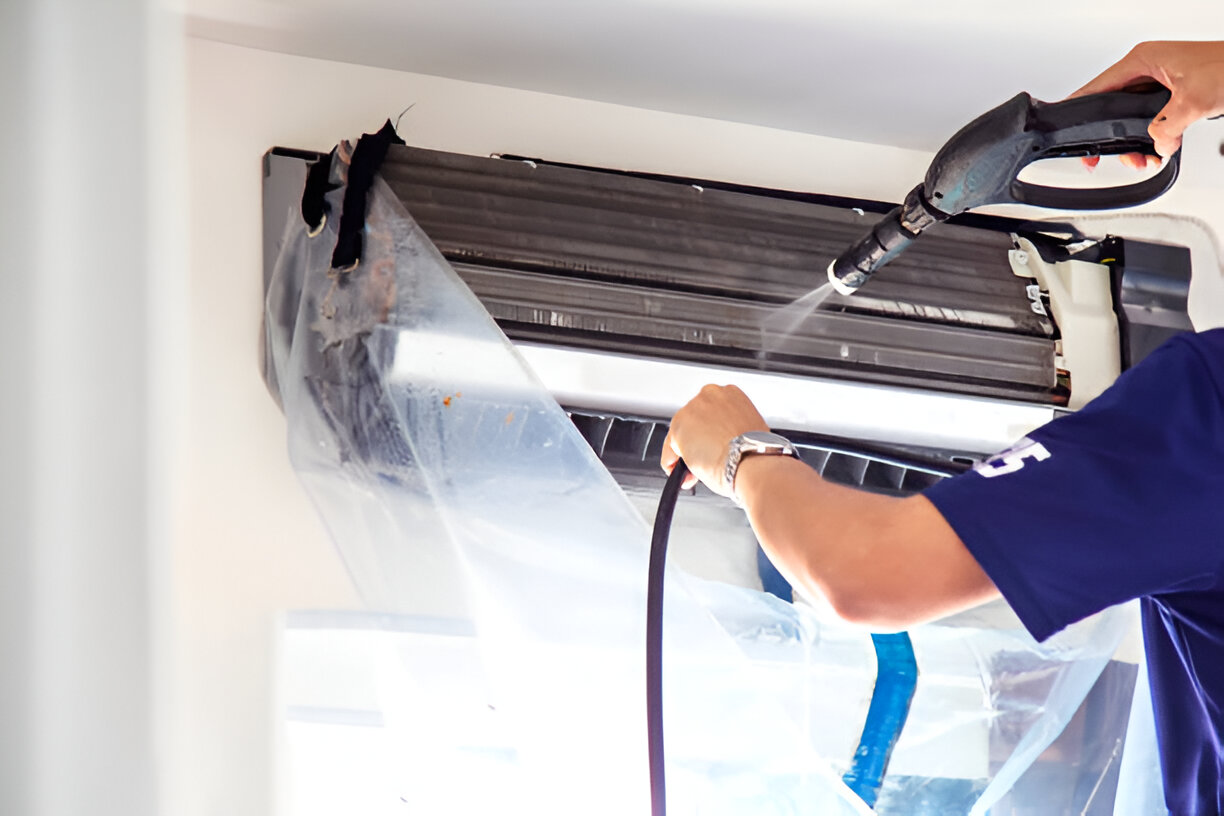
Common mini-split needs in New Albany homes
- Whole-home ductless systems for smaller homes or tightly packaged designs where duct retrofits would be intrusive.
- Multi-zone installations to control second floors, bonus rooms, basements, or sunrooms independently.
- Single-zone solutions for garage conversions, workshops, home offices, or in-law suites where local control is preferred.
- Heat pump-style ductless systems to provide efficient heating in shoulder seasons and supplemental heat to high-efficiency furnaces.
- Replacements or upgrades to older ducted systems to improve efficiency and indoor air quality.
New Albany’s mix of newer construction, historic neighborhoods, and custom finishes often requires careful placement and aesthetic concealment of indoor units and line sets. Local homeowners also prioritize quiet outdoor units and compliance with municipal codes and community design guidelines.
Our installation process — what to expect
A professional mini-split installation is methodical. The major phases include:
- Initial site survey and load calculation
- Detailed room-by-room load calculation to size the system correctly based on square footage, insulation levels, window exposure, orientation, and typical occupancy patterns in New Albany homes.
- Assessment of placement options for indoor units to optimize airflow, comfort, and appearance while avoiding direct drafts to seating areas or beds.
- Electrical service review to determine whether new circuits, disconnects, or service capacity upgrades are needed under Ohio electrical code requirements.
2. System selection and indoor unit placement
- Choosing the right capacity and type of indoor unit for each zone: wall-mounted, ceiling cassette, low-profile floor console, or concealed ducted units depending on aesthetics and performance needs.
- Locating indoor units for balanced airflow, minimal visual impact, and efficient refrigerant routing. Considerations include insulation, number of exterior walls, and typical room use patterns.
3. Outdoor condenser siting and approval
- Positioning the outdoor condenser to ensure proper airflow, noise mitigation, and ease of service while complying with local setback and HOA guidelines.
- Concrete pad or wall-mount bracket installation with attention to drainage and elevation to avoid flood or snow-drift exposure common in central Ohio winters.
4. Refrigerant line, condensate, and electrical work
- Precise routing of refrigerant lines and condensate connections through small penetrations. Line sets are insulated and concealed when possible to preserve curb appeal.
- Refrigerant charging based on manufacturer specifications and measured pressures to ensure optimal efficiency, not guesswork.
- Installation of dedicated electrical circuits, circuit protection, and disconnects to meet code and provide safe operation.
5. System startup, testing, and verification
- Leak detection and pressure testing before charging.
- System performance verification in both heating and cooling modes, airflow and static pressure checks for concealed units, and verification of thermostat communications and remote controls.
- Recording of commissioning data such as superheat and subcooling to document correct installation.
6. Homeowner orientation and documentation
- Walkthrough of system operation, zone controls, maintenance tasks such as filter cleaning, and recommended service intervals.
- Delivery of owner documentation, system settings, and warranty information.
7. Permitting and compliance
- Handling permits and inspections required by local New Albany and Franklin County codes, including equipment approvals, electrical permits, and pressure testing records when needed.
8. Financing and maintenance plan options
- Availability of financing plans to assist with the upfront cost of replacements or whole-home systems.
- Enrollment options for annual maintenance plans that include seasonal tune-ups, filter checks, and priority service to protect warranties and performance.
Common installation issues and how they are solved
- Improper sizing: Oversized units short cycle and undersized units fail to maintain comfort. This is prevented with accurate load calculations.
- Poor indoor placement: Units too close to beds, windows, or obstructions reduce comfort. Strategic placement and multiple zones avoid this.
- Too-long or poorly routed line sets: Excess length or tight bends reduce efficiency. Planning and proper routing maintain performance.
- Inadequate electrical service: Existing panels sometimes lack spare capacity. We specify new circuits or recommend panel upgrades to meet code.
- Condensate handling failures: In freezing temperatures, poorly installed drain lines can back up. Heated condensate lines or proper slopes are used where necessary.
- Outdoor noise or clearance conflicts: Site selection and vibration isolation reduce neighborhood impact and meet HOA rules.
Benefits of a correct mini-split installation in New Albany
- Zoned comfort control: Heat or cool only the rooms you use, reducing energy waste during shoulder seasons and summer peaks.
- Energy efficiency: Modern inverter-driven compressors adjust capacity, cutting electric use compared with some older central systems.
- Minimal structural disruption: Small penetrations for line sets avoid major drywall or ductwork removal, protecting finished interiors.
- Year-round performance: Ductless heat pump models provide efficient heating in mild-to-moderate winter periods and reliable cooling in humid Ohio summers.
- Improved indoor air quality: Multi-stage filtration in indoor units reduces dust and pollen for sensitive occupants.
Maintenance and long-term care
Regular maintenance preserves efficiency and extends equipment life. Recommended tasks include:
- Cleaning or replacing filters every 1 to 3 months depending on usage and indoor air conditions.
- Annual professional tune-up to verify refrigerant charge, electrical connections, drain lines, and controls.
- Seasonal checks before summer cooling and winter heating seasons to prevent unexpected failures during extreme weather.Maintenance plan sign-ups provide scheduled inspections, discounted service, and documented care that helps maintain manufacturer warranty compliance.
Proper installation matters more than the equipment brand alone. For New Albany homes, attention to load calculation, aesthetic integration, local code compliance, and planned refrigerant and condensate routing ensures the mini-split delivers quiet, efficient comfort for years. Financing options and maintenance plans are commonly available to support long-term value and peace of mind.
Hot Deals & Cool Savings

.webp)
New Service Agreement Membership
.webp)
Any New Client Service
Next Service for Referring a New Client
New Service Agreement Membership
Any New Client Service
Next Service for Referring a New Client
.webp)
.webp)

Service Areas
