
Mini Split Tune-Up in Canal Winchester, OH
Keep Canal Winchester's ductless system running smoothly with a seasonal mini-split tune-up. Schedule service today for improved efficiency and reliability.

Mini Split Tune-Up in Canal Winchester, OH
A seasonal mini-split tune up in Canal Winchester, OH keeps your ductless heat pump or ductless air conditioner running reliably through humid Ohio summers and cold winters. Proper, timely maintenance reduces breakdown risk, restores cooling and heating performance, and lowers operating costs—especially important here where humid summer afternoons and spring pollen can clog filters and reduce efficiency.
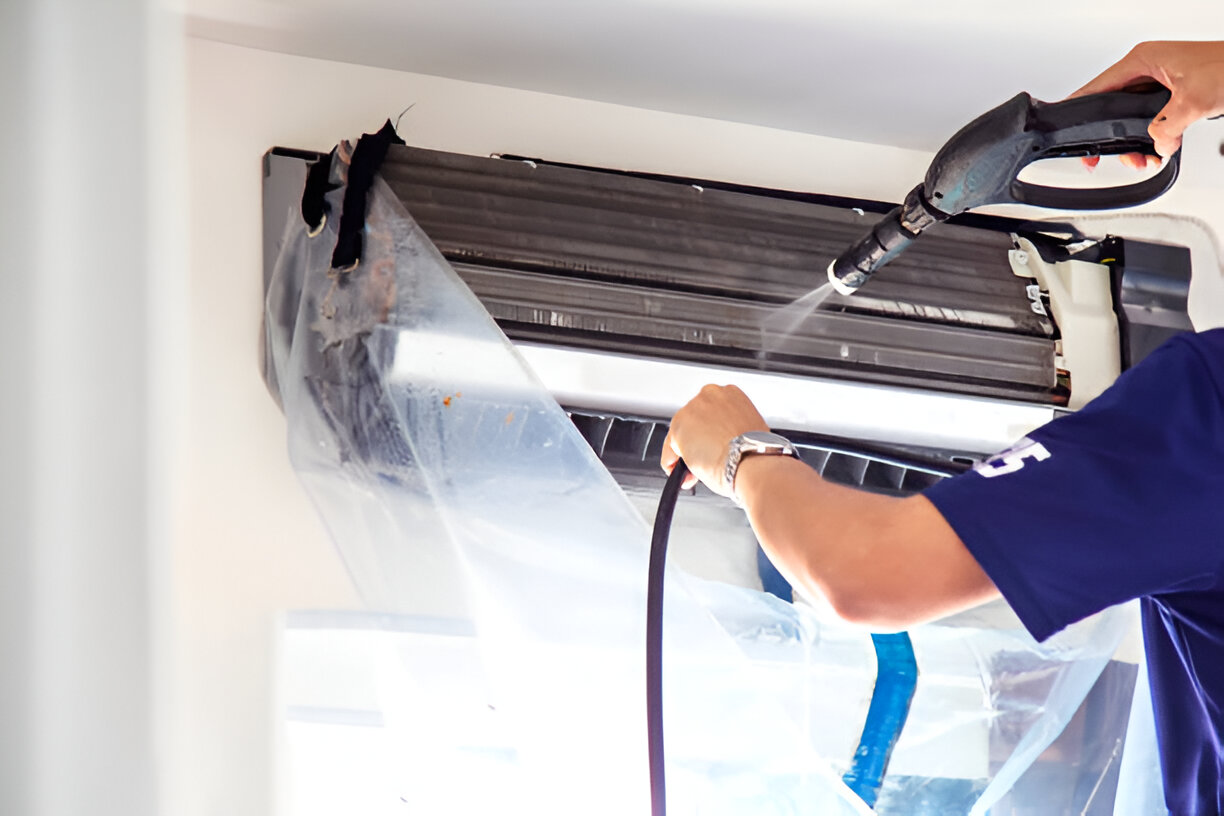
Why a mini-split tune up matters in Canal Winchester
- Local climate stresses: Hot, humid summers increase coil and filter loading; freeze-thaw cycles and winter operation put extra demand on compressors and controls.
- Indoor air quality: Pollen, dust and yard debris are common in this area and accumulate quickly in indoor units and filters, reducing airflow and raising run times.
- Multi-zone systems: Many Canal Winchester homes use multi-head systems for flexible comfort; one failing indoor head can increase load on the outdoor unit and affect the whole system.
- Preventative savings: Addressing small issues during a tune up prevents costly mid-season failures and keeps seasonal energy costs down.
Common mini-split problems in Canal Winchester homes
- Reduced airflow and weak room-level performance due to clogged filters or fouled indoor coils
- Short cycling or constant running caused by improper refrigerant charge, dirty coils, or sensor/calibration issues
- Noisy operation from loose fan motors, worn bearings, or unsecured panels
- Water leaks from blocked condensate drains or improper piping slope
- Electrical trips or intermittent operation from loose connections or failing relays
- Uneven temperatures across zones in multi-head systems due to balancing or control calibration needs
Technician checklist: what a full tune up includes
A professional mini-split tune up follows a systematic checklist to diagnose, clean, calibrate and verify system performance. Typical items include:
- Visual inspection
- Check indoor and outdoor units, line sets, insulation, mounting brackets and clearances
- Inspect filters, indoor coils and drain pans for dirt or biological growth
- Cleaning
- Clean or replace washable filters
- Clean indoor evaporator coils and accessible components
- Clean outdoor condenser coil and clear debris around the unit
- Flush and clear condensate drain and trap
- Refrigerant and pressure checks
- Verify refrigerant charge using pressures and superheat/subcooling where applicable
- Inspect for signs of leaks and document any abnormal charge readings
- Electrical and safety checks
- Tighten electrical connections and terminal blocks
- Measure compressor and fan motor amperage to confirm normal operation
- Test capacitors, contactors and fuses for wear or failure signs
- Controls and thermostat calibration
- Calibrate remote controls and zone sensors; verify correct setpoint response
- Update or check control board settings and time clocks if present
- Airflow and temperature measurements
- Measure airflow where possible and record indoor/outdoor temperature differentials (Delta T)
- Record suction and discharge temperatures and pressures for baseline comparison
- Performance and operation checks
- Run the system through cooling and heating cycles if equipped with heat pump mode
- Listen for abnormal noises and vibration; check fan blade balance and mounting
- Verify correct mode switching and defrost cycle on heat pump models
- Documentation
- Provide a written maintenance report with measurements, observed issues, and recommended repairs or parts replacement (if any)
Expected duration
- Single-head, accessible mini-split: 45–60 minutes
- Multi-zone (2–4 heads): 90–150 minutes depending on access and system complexity
- Larger systems or those needing refrigerant work, leak detection, or extensive cleaning can require additional time
Actual duration depends on unit location (attic, tight closets or high-wall mounts may add time), number of indoor heads, and whether the system needs corrective repairs beyond routine maintenance.
What measurable improvements to expect (pre- vs post-tune-up)
A professional tune up provides concrete performance gains you can observe and track:
- Improved temperature control
- Pre-tune: larger Delta T swings, rooms struggle to reach setpoint
- Post-tune: tighter Delta T (commonly 15–20°F cooling split on healthy systems) and faster setpoint recovery
- Better airflow and quieter operation
- Pre-tune: reduced airflow, audible rattles, or high fan noise
- Post-tune: restored airflow, smoother fan operation and noticeably quieter indoor units
- Lower run times and energy use
- Pre-tune: longer cycles or short cycling increasing runtime and electric cost
- Post-tune: more efficient cycles, reduced runtime for the same comfort level (typical energy savings vary by system age and condition)
- Increased reliability
- Pre-tune: marginal components (capacitors, contactors) failing unpredictably
- Post-tune: tightened connections and early detection reduce mid-season failures
Technicians will typically record baseline temperatures, pressures and amperages and compare those numbers after service so you have documented evidence of improvement.
How tune-ups prevent breakdowns and extend equipment life
- Detect small failures early: Tightening electrical connections, testing capacitors and measuring compressor amps catch deteriorating parts before they fail.
- Maintain correct refrigerant level: Proper charge prevents overheating, short cycling and compressor damage.
- Keep coils and filters clean: Clean heat exchangers maintain heat transfer efficiency and reduce compressor workload.
- Ensure proper drainage: Clearing condensate paths prevents water damage and reduces mold growth around indoor units.
- Calibrate controls: Accurate sensors and controls reduce unnecessary run time and stress on components.
Regular seasonal tune-ups reduce the chance of emergency service calls during peak summer heat or the first cold snap, and they help preserve manufacturer warranties that require routine maintenance.
Recommended timing and maintenance cadence for Canal Winchester
- Cooling season tune up: Late spring (before the first sustained hot spell) to prepare for humid Ohio summers.
- Heating/heat pump check: Early fall, especially for heat pump mini-splits to ensure efficient heating as temperatures drop.
- For higher pollen, pet homes, or homes with heavy use of the system, a twice-yearly check (spring and fall) yields the best long-term performance and protection.
Final notes on value
A professional mini-split tune up is an informed investment for Canal Winchester homeowners who want dependable comfort, lower seasonal energy bills, and fewer unexpected repairs. Routine maintenance documents system health, improves efficiency, and helps you plan for repairs or replacement on your timeline rather than during an emergency. Regular tune-ups are especially beneficial in our local climate where humidity, pollen and temperature swings place extra demands on ductless systems.
Hot Deals & Cool Savings

.webp)
New Service Agreement Membership
.webp)
Any New Client Service
Next Service for Referring a New Client
New Service Agreement Membership
Any New Client Service
Next Service for Referring a New Client
.webp)
.webp)

Service Areas
