
Mini Split Installation in Canal Winchester, OH
Mini Split installation in Canal Winchester, OH offers precise sizing, expert placement, and code-compliant service for efficient, ductless comfort.

Mini Split Installation in Canal Winchester, OH
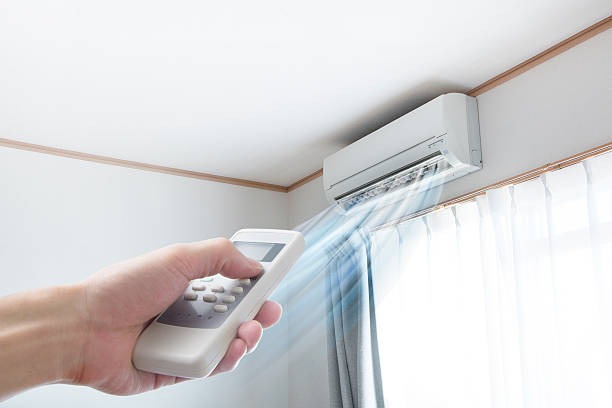
Mini-split installation in Canal Winchester, OH provides a flexible, energy-efficient way to heat and cool rooms without major ductwork. For homeowners dealing with hot, humid Ohio summers and cold winters, a ductless mini-split heat pump delivers targeted comfort, lower utility costs, and improved indoor air quality.
Why Canal Winchester homes choose ductless mini-splits
- Canal Winchester experiences humid summers and freezing winters. Modern mini-split heat pumps perform well in both extremes and often offer efficient heating down to lower outdoor temperatures than older heat pumps.
- Many homes in Canal Winchester are older or have additions where running new ductwork is costly or impractical. Ductless systems are ideal for basements, sunrooms, home offices, and retrofit bedrooms.
- Zoned control reduces energy waste by conditioning only occupied spaces, which is particularly useful for variable-occupancy homes common in the area.
Common mini-split installation types and issues in Canal Winchester
- Single-zone systems for individual rooms or additions.
- Multi-zone systems for whole-house zoning without ducts.
- Hybrid installations combining a mini-split with existing HVAC for supplemental heating/cooling.
- Common issues encountered at the decision stage:
- Undersized units from quick quotes that don't include a heat-load calculation.
- Poor indoor unit placement that causes short-cycling or uneven comfort.
- Line-set routing challenges in older homes with limited wall or attic access.
- Permitting and inspection delays when local code requirements are not addressed up front.
Initial consultation and heat-load calculations
- The process begins with an on-site assessment and conversation about comfort goals, budget, and aesthetics.
- A professional heat-load (Manual J style) calculation is essential. It factors in square footage, insulation, window orientation, attic conditions, occupancy, and local climate to determine correct capacity and number of zones.
- Heat-load sizing avoids oversized systems that short-cycle and undersized systems that fail to meet comfort needs during Canal Winchester’s hottest and coldest days.
Indoor and outdoor unit placement guidelines
- Indoor head placement:
- Above eye level on an interior wall with clear airflow into the occupied zone.
- Avoid placing heads directly above heat sources or behind large obstructions.
- Maintain recommended clearances for service access and optimal airflow.
- Outdoor unit placement:
- Locate on a firm, level pad with at least 12 to 24 inches of clearance around for airflow and access.
- Place away from bedroom windows when possible to minimize sound transfer.
- Consider microclimate factors like shading, prevailing winds, and snow drift from Canal Winchester winters.
Refrigerant line, condensate, and electrical work
- A professional installation includes running copper refrigerant lines, a condensate drain, and a dedicated electrical circuit sized for the outdoor unit.
- Lines are insulated and routed through a small wall penetration or chase; line lengths and vertical lifts are limited by manufacturer specifications.
- Condensate management is critical in humid months; installers often include a gravity drain or condensate pump where needed.
- Refrigerant handling must be performed by an EPA-certified technician and charged per manufacturer specifications using vacuum and measured charging methods.
Permitting and code compliance
- Mini-split installations in Canal Winchester typically require building and electrical permits and must comply with local building codes and HVAC regulations.
- Proper permit submission speeds inspections and ensures compliance with safety and energy codes. Expect coordination with the Canal Winchester building department and potentially county inspectors depending on the property location.
- Electrical work must meet local code and often requires a licensed electrician or a licensed HVAC contractor with electrical credentials.
Post-installation testing and commissioning
- Commissioning verifies system performance and includes:
- Pressure testing and vacuuming the refrigerant lines to remove moisture and leaks.
- Refrigerant charge adjustment by measuring superheat/subcooling rather than by weight alone.
- Electrical testing of disconnects, contactors, and breakers.
- Airflow and temperature split checks to validate cooling and heating capacity.
- Programming remotes or wall controllers and demonstrating operation to the homeowner.
- Proper commissioning ensures efficient operation and prevents early failures, especially important with Canal Winchester’s seasonal extremes.
Recommended indoor air-quality accessories
- High-quality washable or disposable filters rated MERV 8–11 for improved particle capture.
- UV-C lights or electronic air cleaners for microbial control in high-humidity homes.
- ERV/HRV units for balanced ventilation and controlled moisture exchange in tightly sealed homes or after major renovations.
- Whole-house dehumidifiers for persistent summer humidity or basements prone to dampness.
Timeline expectations
- On-site consultation and load calculation: 1 to 3 days to schedule, 1 day on site.
- Equipment selection and ordering: commonly 3 days to 2 weeks depending on model availability.
- Permit approval: typically a few days to a week, depending on workload at the building department.
- Installation time:
- Single-zone installations often completed in 4 to 8 hours.
- Multi-zone installations generally require 1 to 3 days.
- Final inspection and commissioning: same day as installation or within a few business days depending on inspector availability.
Choosing the right system and brand for Canal Winchester
- Prioritize correct sizing and inverter-driven compressors for better part-load efficiency and quieter operation.
- Compare SEER and HSPF ratings for cooling and heating efficiency, but weigh warranty terms and local serviceability heavily.
- Look for reputable brands with a strong local service network and easily available replacement parts.
- Consider line-set length limits, maximum number of indoor heads per outdoor unit, and noise ratings for both indoor heads and outdoor compressors.
- Evaluate control options: wall-mounted thermostats, Wi-Fi-enabled controllers, and integration with existing home automation if desired.
Long-term benefits and maintenance advice
- Properly installed mini-splits offer efficient year-round comfort, lower energy bills, and targeted zoning that reduces whole-house waste.
- Regular maintenance includes cleaning or replacing filters every 1–3 months, annual professional checks for refrigerant level and electrical connections, and clearing debris from outdoor units after storms or heavy snowfall.
- Early attention to minor issues prevents costly repairs and maintains system efficiency through Canal Winchester’s weather cycles.
This guide outlines what homeowners in Canal Winchester, OH should expect from a professional mini-split installation: accurate sizing, thoughtful placement, code-compliant work, careful commissioning, and sensible choices for long-term comfort and indoor air quality.
Hot Deals & Cool Savings

.webp)
New Service Agreement Membership
.webp)
Any New Client Service
Next Service for Referring a New Client
New Service Agreement Membership
Any New Client Service
Next Service for Referring a New Client
.webp)
.webp)

Service Areas
