
Mini Split Maintenance in Canal Winchester, OH
Mini Split maintenance in Canal Winchester, OH improves efficiency, extends life, and reduces breakdowns—schedule a Tune-Up for year-round comfort.

Mini Split Maintenance in Canal Winchester, OH
Keeping a ductless mini-split running smoothly in Canal Winchester, OH matters for comfort, efficiency, and long equipment life. Summers in central Ohio bring high humidity and heavy cooling demand, while winters produce deep cold and frequent temperature swings; both seasons place stress on heat pump components. Regular, scheduled mini-split maintenance reduces breakdown risk, keeps energy use low, and preserves indoor air quality — especially important for homes in Canal Winchester that rely on ductless systems for year-round comfort.
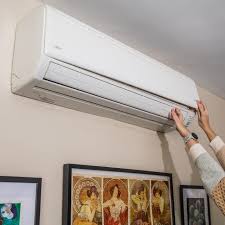
Common mini-split issues in Canal Winchester homes
- Clogged or dirty filters — Spring pollen and summer dust build-up restrict airflow and reduce efficiency.
- Dirty evaporator or condenser coils — Humidity and airborne particulates cause reduced heat transfer and higher run times.
- Condensate drain problems — High humidity increases condensate; slow or clogged drains lead to leaks and mold risk.
- Low refrigerant or refrigerant leaks — Performance drops and the system struggles to meet temperature setpoints.
- Electrical and control faults — Repeated cycling from Ohio temperature swings stresses relays, capacitors, and wiring.
- Inconsistent performance or noisy operation — Caused by mounting issues, refrigerant imbalance, or motor wear.
What scheduled mini-split maintenance includes
A complete maintenance tune-up addresses the components that most affect performance and longevity. Typical tasks performed during a scheduled visit include:
- Filter cleaning or replacement — Remove, inspect, and either clean washable filters or replace disposable ones to restore proper airflow.
- Coil cleaning (indoor and outdoor) — Light cleaning of evaporator and condenser coils to improve heat transfer and system efficiency.
- Condensate drain inspection and cleaning — Verify drain lines are clear, flush traps, and confirm proper drainage to prevent leaks and microbial growth.
- Refrigerant level check — Measure operating pressures; identify signs of leaks or undercharge that reduce cooling and heating capacity.
- Electrical safety inspection — Tighten connections, test capacitors and relays, and check safety controls to reduce fire risk and avoid unexpected failures.
- Performance testing and airflow checks — Measure temperature split, verify airflow and system cycling, and confirm indoor units respond correctly to controls and sensors.
- Outdoor unit inspection — Check mounting, fan operation, and clear debris that can block airflow or cause vibration damage.
- Control and thermostat verification — Ensure wireless remotes, wall controllers, or smart interfaces are communicating and set correctly.
Recommended frequency and timing
- Minimum: Inspect and service mini-splits at least once per year for light-use homes.
- Best practice for Canal Winchester: Twice per year (spring and fall). Spring maintenance before peak cooling and fall maintenance before the heating season catch issues caused by winter or summer extremes.
- High-demand or allergy-prone homes: Quarterly filter checks, with professional inspections every six months.
Regular seasonal tune-ups align maintenance with the heavy-use periods in central Ohio and reduce the likelihood of mid-season failures.
Diagnostic process — what technicians check and why
A standard maintenance visit follows a diagnostic sequence designed to identify current problems and prevent future ones:
- System history and visual inspection — Technician reviews notes, inspects indoor and outdoor units for obvious wear or damage.
- Filter and coil access — Remove and inspect filters, then inspect coils for dirt or corrosion.
- Electrical and safety checks — Test capacitors, contactors, fuses, and wiring integrity.
- Refrigerant and pressure tests — Measure suction and discharge pressures and compare to manufacturer specifications.
- Airflow and temperature delta measurement — Verify proper airflow and measure temperature drop across the evaporator to confirm heat transfer performance.
- Condensate and drainage test — Run the system to check condensate flow and ensure the drain pan and lines are clear.
- Operation and control verification — Test remote controls, thermostats, and zone settings; evaluate noise, vibration, and cycling.
- Report and recommendations — Technician documents findings, lists minor repairs or replacements needed, and prioritizes safety or performance issues.
Benefits of regular mini-split maintenance
- Improved energy efficiency and lower utility bills through cleaner coils and correct refrigerant charge.
- Extended system lifespan by preventing wear caused by overloaded components and electrical stress.
- More reliable year-round comfort with fewer emergency breakdowns during peak heat or cold.
- Better indoor air quality by keeping filters clean and condensate drains clear.
- Preservation of manufacturer warranties and easier planning for eventual replacement or upgrades.
- Predictable maintenance costs and fewer costly surprise repairs.
Membership perks and discounts typically included with maintenance plans
Maintenance memberships often include value that matters over time:
- Priority scheduling during peak seasons to avoid long wait times.
- Discounts on service calls, parts, and labor for members.
- One or two scheduled tune-ups per year included in the plan.
- Reminder service and automatic appointment scheduling to keep the system on track.
- Waived or reduced diagnostic fees for members when additional repairs are needed.
- Record keeping of service history to support warranty claims and resale value.
How enrollment and plan setup usually works
Steps to join a scheduled maintenance plan are straightforward and focused on matching service to the system:
- Identify your system(s) — Provide model and serial numbers for each indoor and outdoor unit so the plan matches manufacturer recommendations.
- Choose visit frequency — Typical options include annual, biannual, or quarterly schedules depending on use and indoor air concerns.
- Confirm plan inclusions — Review what each visit covers (filters, coil cleaning, electrical checks, etc.) and any member discounts for repairs.
- Schedule the baseline inspection — Technicians perform an initial comprehensive tune-up to establish system health and a service history.
- Receive documentation and reminders — Members get a clear service record and scheduled reminders for future visits.
Regular maintenance for ductless mini-splits in Canal Winchester, OH reduces operating costs, improves comfort, and helps your system handle local climate stresses. Well-planned, seasonally timed tune-ups catch small problems before they become emergencies and keep your ductless system operating efficiently for years.
Hot Deals & Cool Savings

.webp)
New Service Agreement Membership
.webp)
Any New Client Service
Next Service for Referring a New Client
New Service Agreement Membership
Any New Client Service
Next Service for Referring a New Client
.webp)
.webp)

Service Areas
