
Mini Split Service in Harrisburg, OH
Mini Split service in Harrisburg, OH ensures efficient temperature control, quick repairs, and reliable maintenance—book your service appointment today.

Mini Split Service in Harrisburg, OH
Mini-split systems (ductless heat pumps and ductless air conditioners) are increasingly common in Harrisburg, OH homes for their zoned comfort, high efficiency, and flexible installation options. Whether addressing a single-room retrofit, a whole-home multi-zone conversion, or emergency repairs after an extreme weather swing, professional mini-split service keeps your system running reliably through humid Ohio summers and cold winters.
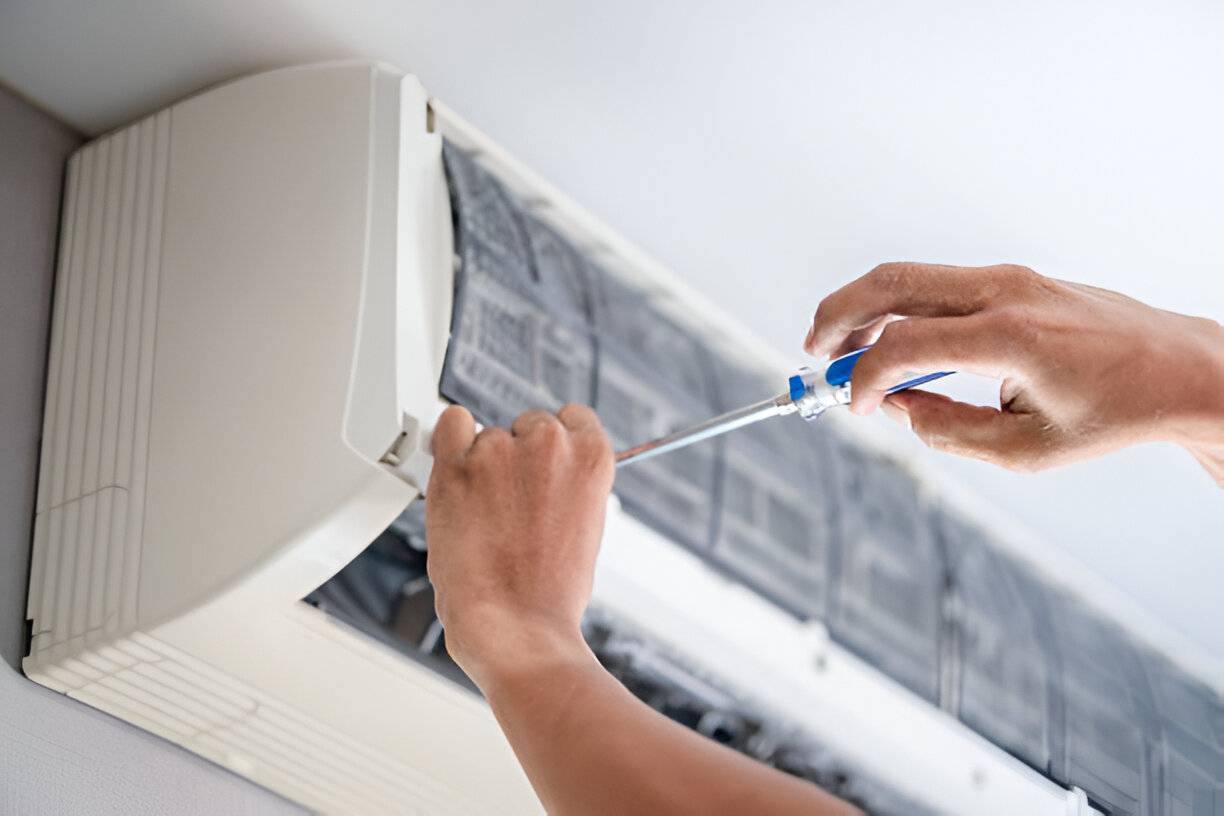
Why mini-split service matters in Harrisburg, OH
Harrisburg’s continental climate means systems face hot, humid summers and cold snaps in winter. That variability stresses components such as compressors, reversing valves, and electronic controls. Older homes in the area often lack ductwork or have space constraints that make ductless systems the most practical solution. Regular, expert service:
- Restores efficient cooling and heating performance after seasonal wear
- Prevents premature component failure from moisture, pollen, and road dust
- Preserves warranty coverage by maintaining manufacturer-recommended service intervals
Common mini-split issues in Harrisburg homes
Understanding typical problems helps homeowners pick the right service quickly. Common mini-split issues encountered locally include:
- Reduced cooling or heating capacity due to low refrigerant, blocked coils, or dirty air filters
- Short cycling and frequent on/off operation from faulty thermostats or sensors
- Ice on the indoor or outdoor unit from airflow issues or refrigerant imbalance
- Strange noises (clanking, hissing, or vibration) caused by loose mounts, fan motor wear, or failing compressors
- Fault codes and electronic faults from power surges or moisture intrusion
- Leaking condensate or frozen condensate lines, especially during humid months
Service types: repair, installation, maintenance, emergency support
Repair
- Full diagnostic check: electrical inspection, refrigerant charge test, airflow and pressure measurements, and control system evaluation
- Common repairs: refrigerant recharge (with leak location and repair), fan motor replacement, inverter board repairs, drain line clearing, and sensor or remote control replacement
- Parts approach: priority is to use OEM or equivalent components sized for longevity and compatibility
Installation
- Site evaluation includes heat load calculation for each zone, electrical service check, and placement planning to minimize line-set runs and visual impact
- Options discussed during planning: single-zone wall-mounted units, multi-zone systems, ceiling cassettes, and floor consoles
- Installation process overview: mounting indoor units, placing outdoor condensers with proper clearance and vibration isolation, running line sets and drain, electrical hookup, system vacuum, refrigerant charging, and commissioning with performance verification
Maintenance
- Routine maintenance plans typically include seasonal inspections, coil and filter cleaning, condensate drain clearing, electrical tightening, and performance tuning
- Preventative tasks increase efficiency, extend equipment life, and reduce emergency visits during peak seasons
- Maintenance agreements commonly provide scheduling priority, discounted service calls, and documented service history for warranty support
Emergency support
- Emergency response protocols prioritize safety and restoring basic climate control when a system fails unexpectedly
- Standard emergency steps: remote triage where possible, temporary measures to protect indoor air quality, prioritized dispatch of a technician, and expedited parts sourcing when required
- Availability is structured around on-call coverage during extreme weather; response times vary based on call volume and location
Diagnostic and service process (what happens during a visit)
- Arrival and safety check: technician confirms power status, gas/electrical safety, and any immediate hazards
- System history and symptom intake: concise review of previous issues, recent events (storms, power outages), and observed symptoms
- Comprehensive diagnostic: airflow measurement, refrigerant pressure checks, electrical testing, control verification, and inspection of mounting and condensate paths
- Findings and recommendations: technician presents the diagnosed cause, repair options, parts needed, and estimated timeframe for repair or replacement
- Repair or plan of action: repairs performed on-site when parts are available; otherwise a scheduled follow-up with parts procurement and timeline is provided
- Post-service verification: performance test and explanation of corrected issues, plus preventive steps to avoid recurrence
Parts availability and service guarantees
- Common replacement parts for Harrisburg installations—compressors, inverter modules, PCBs, fan motors, TXV/expansion valves, and remote thermostats—are typically carried in technician vans or sourced quickly from regional distributors
- Service guarantees often include workmanship warranties and alignment with manufacturer parts warranties. Typical commitments include covered labor for a specified period after repair and documented testing to verify repairs
- For complex replacements, parts lead times are accounted for in project scheduling and communicated during the diagnostic stage
How quotes and scheduling are handled (what clients can expect)
- Estimates are generally provided after an on-site assessment for accuracy; in some cases, a preliminary remote estimate can be given from photos or system model numbers
- Scheduling follows a window-based system: initial diagnostic visits often offered within a short timeframe, with installation timelines coordinated to allow for parts delivery and permitting if required
- Maintenance plans usually include scheduled seasonal visits on an agreed interval to prevent peak-season failures and may provide priority appointment options
Benefits of timely mini-split service and practical maintenance tips
Timely service delivers measurable benefits: improved comfort, lower energy bills, reduced risk of mid-season breakdowns, and longer equipment life. Practical homeowner tips for Harrisburg properties:
- Replace or clean indoor filters monthly during heavy-use seasons to maintain airflow and indoor air quality
- Keep outdoor units free of leaves, lawn debris, and snow to preserve airflow and heat exchange
- Inspect condensate lines and pans for blockages after prolonged rain or pollen-heavy weeks
- Note and report any unusual sounds or performance drops; early diagnostics prevent larger failures
Mini-split systems are an efficient, flexible choice for heating and cooling in Harrisburg, OH, but they perform best with informed, proactive care. Clear diagnostics, reliable parts sourcing, scheduled maintenance plans, and structured emergency response reduce downtime and keep comfort reliable through Ohio’s seasonal extremes.
Hot Deals & Cool Savings

.webp)
New Service Agreement Membership
.webp)
Any New Client Service
Next Service for Referring a New Client
New Service Agreement Membership
Any New Client Service
Next Service for Referring a New Client
.webp)
.webp)

Service Areas
