
Mini Split Repair in Harrisburg, OH
Prompt mini-split repair in Harrisburg, OH by certified technicians. We diagnose, repair leaks, and restore comfort quickly.

Mini Split Repair in Harrisburg, OH
Ductless mini-split systems are a common choice in Harrisburg, OH homes for efficient, zoned heating and cooling. When a mini-split underperforms or stops working, it quickly affects comfort in the rooms it serves.
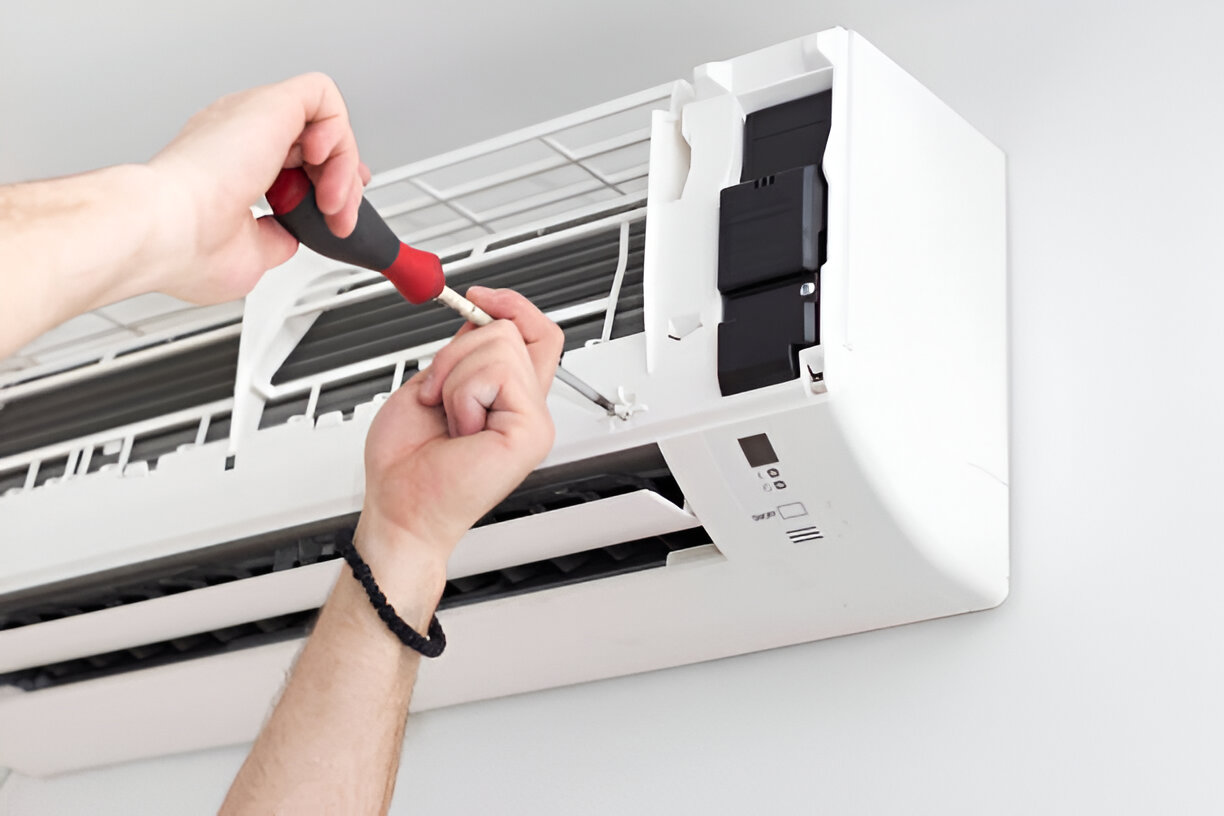
Why timely mini-split repair matters in Harrisburg, OH
Harrisburg experiences humid summers and cold winters, placing two-way stress on ductless heat pump systems used for both cooling and heating. Small issues can worsen quickly under seasonal load: a refrigerant leak reduces cooling capacity in summer, while electrical faults or compressor problems can leave rooms without heat in winter. Prompt diagnosis preserves efficiency, prevents larger failures, and keeps energy bills from rising.
Common mini-split problems in Harrisburg homes
- Loss of cooling or heating capacity (weak airflow, warm air when cooling)
- Refrigerant leaks (ice on the evaporator, oily residue, rapid loss of cooling)
- Compressor failures or noisy outdoor units
- Indoor or outdoor fan motor problems
- Electrical and control issues (system won’t power, error codes on the indoor display)
- Frozen evaporator coils or condensate drainage problems
- Communication faults between indoor heads and the outdoor unit
- Thermostat or remote control malfunctions
How diagnostics are performed
A structured diagnostic approach isolates the root cause rather than treating symptoms:
- Visual inspection of indoor and outdoor units for obvious damage, debris, or ice buildup.
- Verify power and control signals, check breakers, disconnects, and line voltages.
- Refrigerant and pressure checks using gauges to identify leaks or incorrect charge.
- Compressor electrical tests and motor winding checks if the outdoor unit is not running.
- Fan motor and capacitor testing for both indoor and outdoor fans.
- Inspect drain lines and condensate pans for clogs or damage causing freezes.
- Review error codes and log any history of trips or lockouts from the system control board.
- If needed, leak detection (electronic or dye) and system evacuation to prepare for repair.
Technicians document findings and recommend repairs or parts replacement after diagnosis.
Typical repair process and what to expect
Repairs follow a logical sequence to restore safe, reliable operation:
- Secure the site and confirm power is isolated when necessary.
- Repair or replace failed electrical components: control boards, contactors, fuses, capacitors, or wiring.
- Repair refrigerant leaks, including replacing damaged copper lines, valves, or coils; then evacuate and recharge with the correct refrigerant per manufacturer specifications.
- Replace failing compressors, fan motors, or indoor blower assemblies when testing shows these are defective.
- Clear or repair condensate lines and drip pans to eliminate freeze-ups and water damage.
- Reprogram or replace remote controls and communication modules as required.
- Final system test: check pressures, superheat/subcooling, airflow, temperature split, and verify error codes are cleared.
- Provide a post-repair check and written notes explaining what was done and maintenance tips to prevent recurrence.
Safety and compliance are enforced throughout: refrigerant recovery and handling meet EPA guidelines.
Parts, warranties, and replacement guidance
- OEM parts are preferred for compatibility and longevity; aftermarket parts may be used when appropriate and noted.
- Typical manufacturer warranties vary: compressor warranties often extend several years, while parts coverage can range from 1 to 5 years depending on brand and registration. Labor warranties for repairs commonly range from 30 days to 12 months depending on the service provider.
- For older mini-splits where repair would approach or exceed replacement cost, technicians will provide a cost vs. longevity assessment and explain replacement benefits: improved efficiency, updated refrigerant types, and newer heat pump technology that performs better in Ohio climate extremes.
Technician qualifications and what that means for you
Technicians working on refrigerant and electrical components should have:
- EPA 608 certification for refrigerant handling.
- Manufacturer-specific training or certification for common ductless brands.
- Proven experience diagnosing and repairing ductless mini-split systems.
- Proper safety training for electrical and refrigerant work.
- Well-equipped service vehicles stocked with common parts to reduce multiple trips.
Technician professionalism ensures accurate diagnosis, safe refrigerant recovery, and code-compliant repairs.
Expected response times in Harrisburg, OH
- Emergency situations (complete loss of heating in winter or obvious refrigerant leaks causing severe performance loss) are typically prioritized; same-day or next-business-day emergency response is common in central Ohio service models.
- Non-emergency repairs are often scheduled within 48 to 72 hours depending on parts availability and seasonal demand.
- During heat waves or cold snaps, expect longer lead times; documented scheduling windows and arrival estimates help you plan.
Simple troubleshooting you can try before a service visit
- Confirm power: check breakers and outdoor disconnects for tripped breakers.
- Check the remote or wall controller batteries and settings (mode, target temperature, fan speed).
- Clean or replace indoor air filters; restricted airflow can mimic refrigerant or compressor problems.
- Inspect the outdoor unit for debris, leaves, or ice that could block airflow.
- Look for visible signs of refrigerant leaks: oily streaks on refrigerant lines or frost/ice patterns on the evaporator coil.
- If the indoor unit shows an error code, note it exactly and include that information when scheduling service.
Do not attempt refrigerant repair or electrical work yourself. Improper handling can be dangerous and is regulated by law.
Preventive maintenance to reduce repair needs
Regular maintenance increases mini-split longevity and reliability in Harrisburg’s climate:
- Seasonal filter cleaning or replacement
- Annual professional tune-up before heavy-use seasons (cooling in late spring, heating in late fall)
- Condensate line inspection and cleaning
- Visual checks of outdoor unit for corrosion or debris
- Periodic system performance checks including refrigerant levels and electrical connections
Well-maintained systems run more efficiently, last longer, and avoid emergency breakdowns during extreme weather.
How scheduling a repair appointment generally works
When arranging a repair visit you will typically be asked for:
- System make and model (if available) and a description of symptoms
- Whether the issue is an emergency or routine
- Best times for access and any special site instructions
- Permission for technicians to perform on-site diagnostics and provide a repair estimate
Appointments usually include an inspection and a written estimate before major repairs are authorized. Technicians provide a summary of findings and repair recommendations at the completion of the visit.
Mini-split repair in Harrisburg, OH requires prompt, experienced service to keep zoned comfort systems operating efficiently through hot, humid summers and cold winters. Proper diagnosis, qualified technicians, and manufacturer-correct parts and procedures minimize downtime and improve long-term performance.
Hot Deals & Cool Savings

.webp)
New Service Agreement Membership
.webp)
Any New Client Service
Next Service for Referring a New Client
New Service Agreement Membership
Any New Client Service
Next Service for Referring a New Client
.webp)
.webp)

Service Areas
