
Mini Split Service in Grove City, OH
Mini Split service in Grove City, OH with expert diagnostics, timely repairs, and seasonal Tune-Up. Learn how we protect your ductless system.

Mini Split Service in Grove City, OH
Mini-split systems are an efficient, flexible way to heat and cool rooms without ductwork, but like any HVAC equipment they need professional care to run reliably. In Grove City, OH — where humid summers and freezing winters place competing demands on compact ductless systems — timely diagnostic visits, targeted repairs, and seasonal Tune-Up prevent comfort interruptions, reduce energy costs, and protect equipment life.
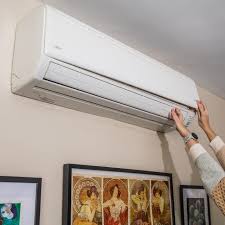
Common mini-split issues in Grove City, OH
Homeowners in Grove City most often call for problems that are directly influenced by the region’s climate and housing stock. Common issues include:
- Weak heating or cooling — often caused by low refrigerant, clogged filters, blocked indoor coil fins, or failing compressors. Ohio’s cold snaps can hide failing heating performance until it’s urgent.
- Ice or frost on indoor/outdoor units — freezing temperatures, poor defrost cycles, and low airflow can cause ice build-up in winter, reducing heat output.
- Frequent short cycling — compressors that start and stop repeatedly due to thermostat/sensor issues, low charge, or electrical faults.
- Drainage and condensate problems — high summer humidity in central Ohio leads to heavy condensate; clogged drain lines or failed condensate pumps cause leaks or water damage.
- Strange noises or vibrations — loose mounting, worn fan motors, or failing compressors create rattles, grinding, or booming sounds.
- Electrical failures and control faults — power surges, corroded connections, or PCB (control board) failures can knock systems offline.
- Remote control and sensor inaccuracies — miscalibrated room sensors or failing remotes can make zones uncomfortable.
- Refrigerant leaks — often gradual and associated with reduced performance; require leak detection and professional repair.
Diagnostic visits and troubleshooting (remote and onsite)
Technicians use a structured diagnostic approach to identify root causes and present repair options clearly:
- Remote troubleshooting (when applicable) — review user settings, error codes, and walk homeowners through basic checks (filter condition, outdoor unit clearance, power/reset). This can resolve configuration issues or determine if an onsite visit is necessary.
- Onsite diagnostic visit — includes visual inspection of indoor and outdoor units, measurement of airflow, temperature split (supply vs return), electrical testing (voltage and amp draw), refrigerant pressure checks, condensate drainage inspection, and control/system error code reading.
- Advanced diagnostics — leak detection, inverter performance verification, compressor functionality testing, and camera inspection for inaccessible line sets or mounting points.
Diagnoses are documented with clear findings and prioritized repair recommendations so you understand immediate risks versus deferred maintenance.
Repairs, parts replacement, and performance checks
Mini-split repairs are focused on restoring reliable heating/cooling and protecting long-term system health.
Typical repairs and replacements:
- Fan motors and blower assemblies
- Compressors and service valves (for major failures)
- PCBs, thermostats, remotes, and sensor modules
- Expansion valves, driers, and line set repairs after leaks
- Condensate pumps, drain lines, and pan repairs
- Filter replacement and coil cleaning
Key performance checks after repairs:
- System temperature split and room delta-T
- Superheat and subcooling measurements for proper refrigerant charge
- Amp draw and run capacitor health
- Defrost cycle operation and timing
- Noise and vibration levels at operating speed
When parts are replaced, technicians explain OEM vs aftermarket options and how each choice affects warranty and longevity.
Maintenance plans and seasonal care
A proactive maintenance agreement is especially valuable in Grove City where seasonal extremes stress mini-splits. Typical seasonal care includes:
- Spring cooling tune-up: clean indoor coils and filters, clear outdoor unit, check refrigerant, inspect electrical connections, verify condensate drainage
- Fall heating tune-up: confirm defrost operation, inspect compressor and reversing valve, test heat mode performance, add line insulation if needed
- Twice-yearly inspections to catch refrigerant loss, corrosion, or control drift before comfort is affected
- Priority scheduling and service discounts under many maintenance plans help reduce long-term repair costs
Benefits of regular maintenance: extended equipment life, steadier energy bills during hot summers and cold winters, improved indoor air quality, and often lower total cost of ownership.
Technician credentials and safety protocols
Qualified, responsible technicians protect your home and the environment:
- Certifications and licensing — technicians hold EPA 608 refrigerant handling certification and comply with Ohio licensing where required. Training covers inverter-driven compressors and modern mini-split electronics.
- Safety protocols — use of PPE, lockout/tagout during electrical work, safe ladder and rooftop practices, and refrigerant containment and recovery procedures to prevent leaks and environmental release.
- Code and permit awareness — technicians account for local building codes, permit requirements for refrigerant work or new outdoor unit installations, and safe mounting practices for walls and roofs.
Technicians will explain safety precautions taken during every visit and document work performed for warranty and maintenance records.
What to expect during a service visit
A typical service appointment follows an efficient, homeowner-friendly flow:
- Arrival within the scheduled window and brief overview of the visit scope
- Quick visual and system checks, followed by detailed diagnostics
- Clear explanation of findings and repair options, with prioritized recommendations
- Completion of agreed repairs or scheduling for parts and follow-up work
- Post-service performance verification and homeowner briefing on system care
In urgent winter heating failures, technicians will also recommend temporary measures and prioritize safety while working to restore heat.
Why timely mini-split service matters in Grove City
Addressing mini-split issues quickly protects comfort and limits repair costs. In Grove City’s variable climate, regular service prevents freeze damage, maintains humidity control during humid summers, keeps energy bills predictable, and preserves warranty coverage. For homes retrofitted without existing ducts, a well-serviced mini-split is often the primary heating and cooling source — making dependable service essential for year-round comfort.
Regular diagnostics, transparent repairs, and seasonal maintenance tailored to Grove City conditions keep your ductless system running efficiently and reliably when you need it most.
Hot Deals & Cool Savings

.webp)
New Service Agreement Membership
.webp)
Any New Client Service
Next Service for Referring a New Client
New Service Agreement Membership
Any New Client Service
Next Service for Referring a New Client
.webp)
.webp)

Service Areas
