
Mini Split Installation in Grove City, OH
Mini Split installation in Grove City, OH delivers efficient, ductless comfort for targeted rooms. Learn more about installation options today.

Mini Split Installation in Grove City, OH
Mini-split installation in Grove City, OH gives homeowners a highly efficient, flexible way to heat and cool specific rooms without altering existing ductwork. With hot, humid summers and cold Ohio winters, a properly sized ductless mini-split or heat pump can deliver year-round comfort, quieter operation, and lower energy use compared with window units or undersized central systems.
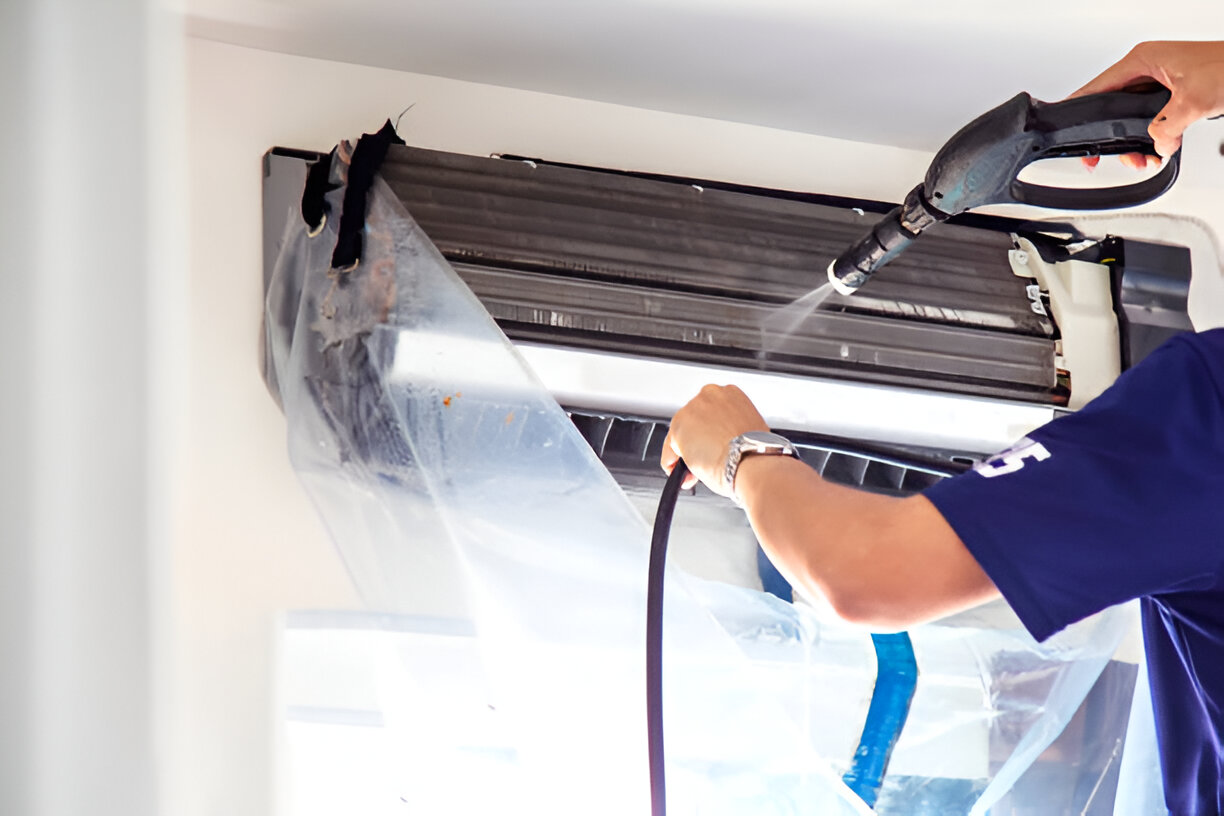
Common mini-split issues in Grove City, OH and when a new installation makes sense
- Inconsistent zone temperatures in older homes with limited ductwork or multiple additions.
- High cooling loads in upstairs bedrooms or sunrooms that central systems struggle to meet.
- High summer humidity and short cycling of window units or small central AC.
- Need for supplemental heating in rooms distant from the furnace during Ohio winters.
- Desire to reduce energy bills by installing a high-efficiency ductless heat pump for both heating and cooling.
If any of these describe your home, a ductless mini-split installation may be the right targeted solution.
Site survey and load calculation
A professional mini-split installation begins with a comprehensive site survey and a Manual J load calculation tailored to Grove City homes. The survey evaluates:
- Room size, ceiling height, insulation levels, window orientation, and shading.
- Sun exposure (important in central Ohio for rooms facing west or south).
- Existing electrical panel capacity and proposed outdoor unit location.
- Structural conditions for wall- or ceiling-mounting and routing of line sets.
The load calculation determines the correct indoor unit capacity to avoid oversized or undersized systems, which can cause short cycling, excess humidity, or insufficient heating in winter.
Placement options for indoor and outdoor units
Placement affects performance, efficiency, and aesthetics. Typical options include:
- Wall-mounted indoor units: common for bedrooms, living rooms, and home offices. Best for direct airflow and easy maintenance.
- Ceiling cassette units: good for open floor plans or rooms where wall space is limited. Provide even air distribution.
- Concealed duct or slim-duct indoor units: used where minimal visible equipment is preferred.
- Outdoor condensing units: located on a level pad near the exterior wall or on brackets above grade to avoid snow accumulation and improve clearance in icy Grove City winters.
Considerations for Grove City:
- Locate outdoor units to minimize exposure to prevailing winter winds and heavy snowfall.
- Avoid placing outdoor units where salty road spray or heavy tree debris could increase corrosion or maintenance needs.
Refrigerant line and electrical work
Safe, code-compliant line set and electrical installation are critical.
- Refrigerant line routing: runs are typically short (10 to 50 feet preferred). Lines must be insulated and sloped for condensate drainage and protected where they pass through walls.
- Electrical: mini-splits require dedicated circuits sized to manufacturer specifications and proper disconnects at the outdoor unit. Panel capacity and breaker sizing are evaluated during the survey.
- Condensate management: install appropriate drain lines or condensate pumps for basement or slab conditions to prevent water intrusion or freeze-ups in winter.
All refrigerant handling follows EPA and state regulations; proper brazing, vacuum, and leak testing are performed during commissioning.
Wall- or ceiling-mounting procedures
Mounting is performed with attention to structure and finishes.
- Wall mounting: installers locate studs, secure the mounting plate, create a neat access hole for the line set, and use grommets and flashing to weather-seal penetrations.
- Ceiling mounting: requires inspection of joist location, possible framing reinforcement, and interior grille placement to maintain balanced airflow.
- Finish protection: installers protect flooring and furniture during the work and seal interior cuts to prevent air, moisture, or pest entry.
For older Grove City homes with plaster or masonry walls, additional reinforcement or alternate indoor unit styles may be recommended.
Commissioning and testing
Commissioning verifies the system operates as intended:
- Evacuate and charge refrigerant to manufacturer-specified superheat and subcooling values.
- Test electrical connections, controls, and safety devices.
- Check airflow, temperature split between supply and return, and defrost operation for heat pumps.
- Run the system through heating and cooling cycles to ensure stable operation and proper drainage.
Recording these results provides a benchmark for future maintenance and troubleshooting.
Homeowner walk-through and system operation training
A critical step often overlooked is hands-on homeowner education:
- Demonstration of remote controls, schedules, energy-saving modes, and multi-zone balancing.
- Explanation of filters, recommended cleaning intervals, and how to check condensate lines.
- Guidance on setting thermostats for Grove City seasonal extremes to maximize comfort and efficiency.
- Written documentation of system specs, serial numbers, and basic troubleshooting tips for quick reference.
This training ensures homeowners get the expected performance and longevity from their new system.
Permit and inspection considerations in Grove City, OH
Most ductless mini-split installations require mechanical permits and inspections from the local building department.
- Permits: typically required for new HVAC equipment, electrical changes, and refrigerant work. The permit process confirms compliance with state and local codes.
- Inspections: common inspections include rough-in (electrical and mounting), refrigerant and final mechanical checks, and final electrical inspection.
- Documentation: installers should provide permit-ready diagrams, load calculations, and manufacturer installation instructions.
Confirming permit requirements and scheduling inspections early in the project timeline avoids delays and ensures a code-compliant installation.
Post-installation support and warranties
Reliable post-installation support protects your investment:
- Manufacturer warranties: typically cover compressors and parts; length varies by model. Keep warranty paperwork and registration information.
- Installation workmanship warranty: professional installers often provide a separate warranty covering labor and install-related issues for a defined period.
- Maintenance plans: regular seasonal maintenance preserves efficiency, prevents premature failure, and maintains warranty validity.
In Grove City, regular maintenance is especially important to manage humidity, prevent refrigerant leaks, and keep defrost cycles operating smoothly during cold snaps.
Benefits summary and maintenance tips
A properly installed mini-split in Grove City, OH delivers:
- Precise zone comfort for problem rooms.
- Year-round heating and cooling with high seasonal efficiency.
- Reduced energy waste from duct losses in older homes.
- Quiet operation and flexible installation options.
Maintenance tips to prolong performance:
- Clean or replace washable filters every 1 to 3 months during heavy use.
- Schedule annual professional tune-ups before cooling and heating seasons.
- Keep outdoor units clear of snow, leaves, and debris.
- Monitor unusual sounds, odors, or performance drops and address them early.
A well-planned, permit-compliant mini-split installation matched to your home and Grove City climate will deliver consistent comfort, better humidity control, and energy savings for years.
Hot Deals & Cool Savings

.webp)
New Service Agreement Membership
.webp)
Any New Client Service
Next Service for Referring a New Client
New Service Agreement Membership
Any New Client Service
Next Service for Referring a New Client
.webp)
.webp)

Service Areas
