
Mini Split Repair in Grove City, OH
Mini Split repair services in Grove City, OH, with fast diagnostics, parts replacements, and rapid-response options. Learn more about keeping your home comfortable.

Mini Split Repair in Grove City, OH
Ductless mini-split systems are a popular, energy-efficient choice for Grove City homes because they provide zoned heating and cooling without extensive ductwork. When a mini-split fails, it affects comfort quickly — during hot, humid Ohio summers or cold snaps in winter.
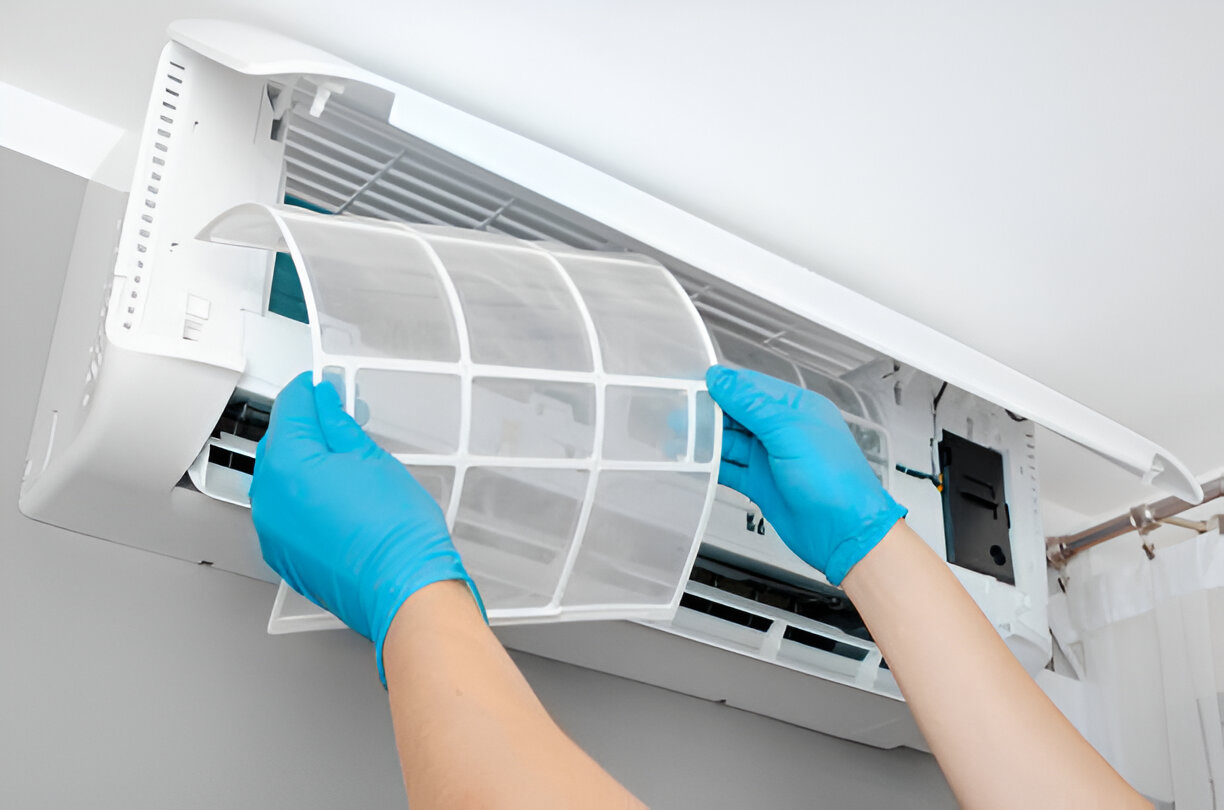
Common mini-split problems in Grove City homes
Mini-splits face a mix of mechanical, refrigerant, electrical and airflow issues that reflect local climate and home conditions:
- Compressor and outdoor unit failures
- Inverter or compressor motor faults, especially after hard use in hot summers
- Outdoor coil corrosion or physical damage from yard work, salt, or freeze-thaw cycles
- Fan and blower problems
- Indoor blower motor failures or noisy fans
- Outdoor fan motor or blade damage reducing airflow
- Refrigerant leaks and pressure faults
- Gradual loss of refrigerant resulting in poor cooling/heating and icing of the indoor coil
- Leaks from line-set corrosion or poor fittings
- Controls and electrical faults
- Faulty circuit boards, inverter modules, or control sensors
- Blown fuses, tripped breakers, or poor wiring connections from power surges
- Airflow and condensate troubles
- Clogged filters, blocked indoor coils, or blocked condensate drains causing water leaks and reduced performance
- Improper airflow from blocked grilles or restricted refrigerant flow
- Thermostat and sensor issues
- Bad temperature sensors or mis-calibrated controls causing short cycling or incorrect operation
How a technician diagnoses mini-split issues
A systematic diagnostic process identifies root causes without unnecessary replacement parts:
- Visual and safety inspection
- Check indoor and outdoor units for visible damage, debris, corrosion and proper mounting
- Confirm electrical safety: breakers, fuses, disconnects and wiring integrity
2. Operational testing
- Run heating and cooling cycles, observe start-up behavior, listen for unusual noises and verify airflow and temperatures
3. Electrical measurements
- Measure voltage, current draw, capacitor condition and verify control signals to inverter/compressor
4. Refrigerant and pressure checks
- Measure refrigerant pressures and superheat/subcooling; use leak detection when pressures are low
5. Drain and airflow verification
- Inspect and test condensate drains, condensate pumps, filters and indoor coil cleanliness
6. Control and sensor checks
- Validate thermostat/remote signals, control board diagnostics, and sensor calibration
7. On-site explanation and estimate
- Technician explains findings in plain language, presents repair options and a written estimate for parts and labor
Typical parts replaced during repairs
Common replacement items for mini-splits include:
- Compressor or inverter module (for major failures)
- Outdoor fan motor and blades
- Indoor blower motor or fan assembly
- Control board, PCB or communication modules
- Capacitors, contactors and relays
- Expansion valve / TXV or metering device
- Refrigerant line repairs and brazed fittings
- Refrigerant recharge (R410A or manufacturer specified)
- Condensate pumps, drain lines and pans
- Thermistors, room sensors and remotes
- Filters and grille assemblies
Many mini-split systems use inverter-driven compressors and manufacturer-specific parts; using OEM components is usually recommended to preserve performance and warranty coverage.
Emergency and rapid-response considerations
Some mini-split failures require fast service in Grove City:
- Complete loss of cooling during heat waves, or loss of heat during winter cold snaps
- Active refrigerant leaks with visible oil or frost
- Electrical burning smells, smoke, or repeated breaker trips
- Major condensate overflow causing water damage
Emergency options typically include prioritized dispatch, after-hours availability, and temporary measures (e.g., jumpstarting blower fans or isolating faulty circuits) to restore safe operation until full repairs can be completed. Rapid response reduces the risk of secondary damage and helps maintain comfort in extreme weather.
Pricing and estimate guidance
Costs vary widely depending on system brand, accessibility, parts availability and whether the system is under warranty. Typical ballpark ranges (subject to equipment and local labor rates):
- Diagnostic fee / service call: commonly in the low to mid hundreds
- Refrigerant recharge (no leak repair): typically a few hundred depending on refrigerant type and amount
- Filter, condensate pump or simple component replacement: low to mid hundreds
- Control board, fan motor or smaller component replacement: several hundred to around a thousand
- Compressor or inverter replacement: often a high three-figure to low four-figure range, sometimes making full system replacement more cost-effective for older units
Estimates should itemize parts, labor hours, and warranty coverage. Accessibility (second-floor indoor heads, long line-sets, or indoor concealment) and the need for refrigerant recovery or brazing work can increase labor time and cost.
Warranty and parts information
Manufacturer and installer warranties differ:
- Manufacturer parts and compressor warranties commonly range from 5 to 10 years for new systems, but coverage varies by brand and model.
- Labor warranties for repair work may be limited (often 30 to 365 days) and depend on the service provider.
- Using non-OEM parts or aftermarket refrigerants can void manufacturer warranties.
- Warranty claims often require proof of regular maintenance; keeping service records helps preserve coverage.
Confirm warranty terms before repair work begins so replacements are compatible and covered where possible.
Preventative maintenance and tips to avoid breakdowns
Regular maintenance extends system life and prevents emergency repairs, especially in Grove City where seasonal humidity and pollen affect equipment:
- Clean or replace filters monthly during heavy use seasons
- Schedule annual or biannual tune-ups: spring for cooling and fall for heating checks
- Keep at least 2–3 feet of clear space around outdoor condenser units; remove leaves, grass and snow buildup
- Inspect and clear condensate drains to avoid clogs and water damage
- Check for odd noises, odors, reduced airflow or temperature swings and address them early
- Ensure outdoor units are level and mounted securely to reduce vibration stress
- Consider a maintenance plan that documents service visits and provides priority response during peak seasons
Why prompt mini-split repair matters in Grove City
Timely repairs restore comfort, maintain energy efficiency and prevent more costly failures. Fixing small issues early — refrigerant leaks, failing fans, or control faults — preserves system performance through Grove City’s humid summers and cold winters and reduces the chance of emergency breakdowns. Proper diagnosis, OEM-quality parts, and routine maintenance are the most cost-effective ways to protect your investment and keep living spaces comfortable year-round.
Hot Deals & Cool Savings

.webp)
New Service Agreement Membership
.webp)
Any New Client Service
Next Service for Referring a New Client
New Service Agreement Membership
Any New Client Service
Next Service for Referring a New Client
.webp)
.webp)

Service Areas
