
Expert Air conditioning Service In Columbus, OH
Expert AC repair, installation, and maintenance for cool, efficient comfort. Beat Ohio summers with our proven, energy-saving systems.

Air Conditioning in Columbus
Keeping your home cool, comfortable, and energy efficient during Columbus summers requires more than a working compressor. With humid, hot months and older housing stock across central Ohio, common problems like uneven cooling, high energy bills, and emergency breakdowns are frequent.
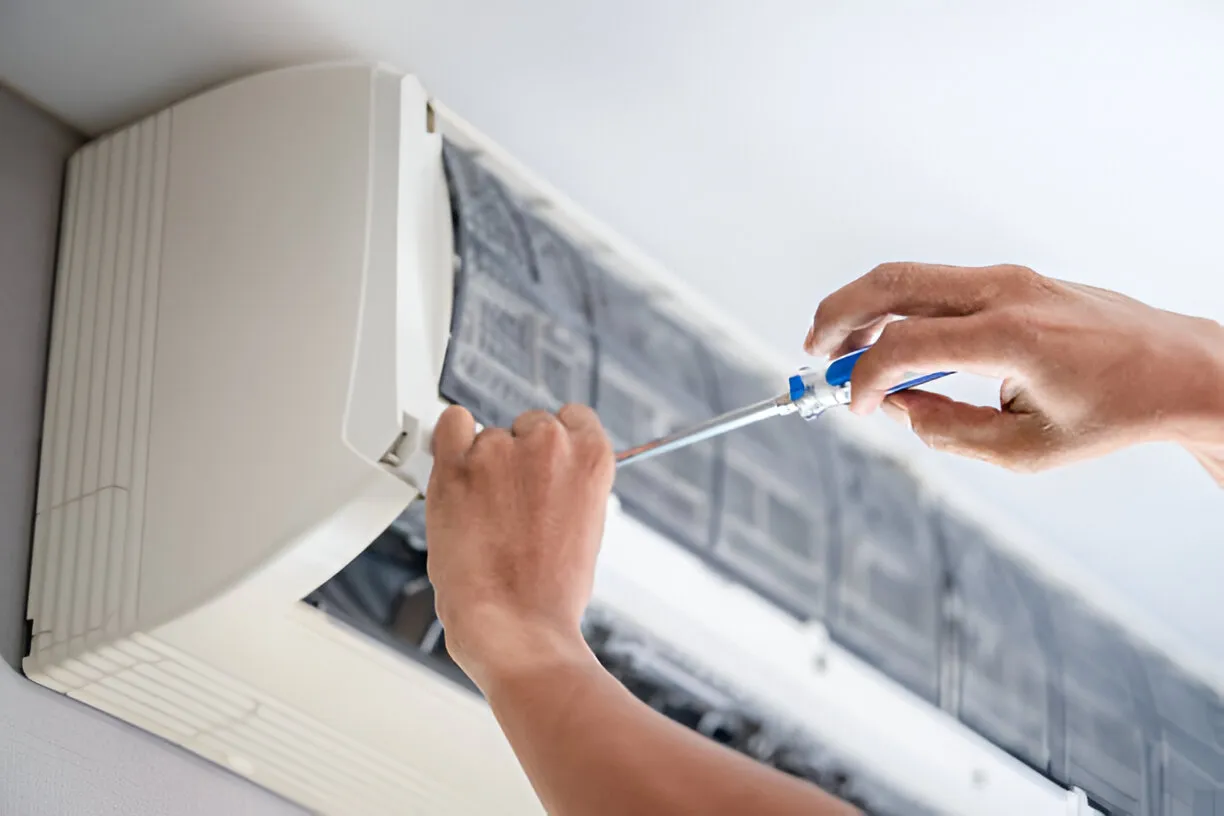
Common air conditioning issues in Columbus homes
- AC not turning on or short cycling after startup
- Weak airflow or hot rooms due to duct leaks or blocked returns
- Long run times and rising utility bills from low refrigerant, dirty coils, or failing components
- Strange noises from the compressor, fan motor, or loose parts
- Frequent tripped breakers or electrical failures in the outdoor unit
- Condensate drain clogs and secondary water damage risks in basements and crawlspaces
These issues are amplified by Columbus weather and household factors: high humidity increases runtime and coil fouling, seasonal pollen and dust load filters faster, and many homes have older ducts or compact equipment spaces that need custom solutions.
Types of AC services we cover
- Diagnostic and emergency AC repair for cooling failures and safety issues
- Full-system replacement when repair is no longer cost effective or reliable
- New installations and retrofits, including central split systems and ductless mini split options
- Professional load calculations and sizing guidance to match equipment to your home
- Energy-efficient model selection advice, including variable-speed compressors and SEER ratings
- Seasonal maintenance tune-ups, filter and coil care, and preventative service agreements
- Guidance on warranties, extended labor coverage, and available financing options for replacements
How we diagnose the problem
A thorough diagnostic process ensures you get the right solution rather than a temporary fix. Typical steps include:
- Review system history and observed symptoms to prioritize safety and speed.
- Visual inspection of outdoor and indoor units for corrosion, debris, and obvious damage.
- Electrical testing of capacitors, contactors, fuses, and control circuits to find intermittent faults.
- Refrigerant pressure checks and leak detection when cooling capacity is low.
- Airflow and temperature split measurements to evaluate evaporator coil performance and duct function.
- Load calculation and duct assessment for replacement recommendations, ensuring proper sizing and efficiency.
Diagnostics are focused on identifying root causes so repairs, replacement, or maintenance address long-term performance and efficiency.
Repairs and when replacement makes sense
Common repairs include replacing capacitors, contactors, fan motors, reversing valves, compressors, and repairing refrigerant leaks. Many repairs restore short-term function, but replacement is often recommended when:
- The compressor has failed or repair cost approaches the value of a newer unit
- The system is older than 10 to 15 years and failing parts are frequent
- The unit is undersized or oversized for the current home layout after renovations
- Ductwork is degraded or inefficient and combined improvements would justify a new system
A properly sized, modern system with a higher SEER rating, variable-speed blower, and matched coil can reduce run time and lower energy bills in Columbus summers.
Sizing and energy-efficient model selection
Correct sizing matters. Oversized units cycle too frequently, reducing comfort and shortening component life. Undersized units run continuously and struggle on humid days. A Manual J style load calculation evaluates your home’s square footage, insulation, window orientation, occupancy, and local climate to recommend the right capacity.
When choosing an efficient model, consider:
- SEER and EER ratings for seasonal and peak efficiency
- Variable-speed compressors for better comfort and dehumidification
- Matched indoor coil and outdoor condenser to preserve warranty and performance
- Compatibility with smart or programmable thermostats and zoning systems to optimize usage
In Columbus, prioritizing dehumidification performance is important because removing moisture is as critical to comfort as lowering temperature.
Seasonal maintenance, filter and coil care
Regular maintenance extends equipment life and keeps efficiency high. Seasonal tune-up tasks include:
- Cleaning condenser fins and clearing debris around the outdoor unit
- Checking refrigerant charge and inspecting for leaks
- Cleaning evaporator and condenser coils to restore heat transfer
- Checking and tightening electrical connections and testing safety controls
- Inspecting and cleaning drain lines and pans to prevent clogs and water damage
- Replacing or upgrading filters and advising on appropriate MERV ratings for your home
Filters with appropriate MERV ratings reduce dust load on coils without overly restricting airflow. In Columbus, filters often need changing more frequently during spring pollen and fall leaf drop.
Warranties and financing options
Most new systems come with manufacturer warranties for major components, and labor warranties can be available to cover installation workmanship. Extended warranties and service agreements protect critical parts beyond the factory period and encourage regular preventive maintenance.
Financing options can help spread the cost of replacements and efficiency upgrades. Discussing warranty coverage, expected service life, and available financing helps homeowners weigh long-term operating costs against upfront investment.
Tips to improve home cooling performance
- Seal and insulate ducts in basements and crawlspaces to reduce loss.
- Improve attic insulation and ventilation to lower heat gain into living spaces.
- Use ceiling fans for zone comfort, allowing a slightly higher thermostat setpoint.
- Shade windows with awnings or blinds during peak sun hours to reduce load.
- Install a programmable or smart thermostat to reduce unnecessary runtime.
- Ensure return vents are unobstructed and balance airflow between rooms.
- Consider zoning or a ductless split for additions or rooms with unique loads.
Benefits of timely action
Addressing diagnostics, routine maintenance, and proper sizing preserves comfort, improves indoor air quality, lowers energy bills, and extends equipment life. In Columbus, where seasonal humidity and temperature swings increase HVAC demand, proactive care minimizes emergency breakdowns and keeps cooling performance reliable when you need it most.
FAQs
Q: How often should I schedule AC maintenance?
A: Schedule a professional tune-up annually before cooling season, and replace or check filters every 1 to 3 months depending on usage and indoor air quality needs.
Q: How can I tell if my AC needs repair or replacement?
A: Signs to consider replacement include frequent breakdowns, rising repair costs, age over 10 to 15 years, and inability to maintain comfort. A diagnostic evaluation determines the best option.
Q: What size AC do I need for my home?
A: Proper sizing requires a load calculation that considers square footage, insulation, windows, and local climate. Avoid rule-of-thumb sizing to prevent inefficiency and comfort issues.
Q: Are ductless mini splits a good option for Columbus homes?
A: Yes. Ductless systems are efficient for additions, renovated spaces, or homes with limited ductwork. They provide zoned control and strong dehumidification.
Q: What filter MERV rating should I use?
A: For most homes, a MERV 6 to 8 filter balances filtration and airflow. Higher MERV ratings improve air quality but may require a system evaluation to ensure adequate airflow.
Q: Will regular maintenance lower my energy bills?
A: Yes. Cleaning coils, maintaining refrigerant charge, and ensuring proper airflow can restore efficiency and reduce runtime, lowering energy costs during hot Columbus months.
Hot Deals & Cool Savings

.webp)
New Service Agreement Membership
.webp)
Any New Client Service
Next Service for Referring a New Client
New Service Agreement Membership
Any New Client Service
Next Service for Referring a New Client
.webp)
.webp)

Service Areas
