
Whole House Humidification in Worthington, OH
Discover whole-house humidification options for Worthington homes, sizing, installation, and maintenance to improve comfort and protect woodwork. Schedule installation today.

Whole House Humidification in Worthington, OH
Keeping indoor humidity balanced is one of the most effective ways to improve comfort and protect your home in Worthington, OH. Whole house humidification systems manage moisture across your entire HVAC distribution so you avoid the dry air issues common in central Ohio winters—dry skin, static shocks, shrinking wood floors and furniture—while preventing excessive moisture that can encourage mold.
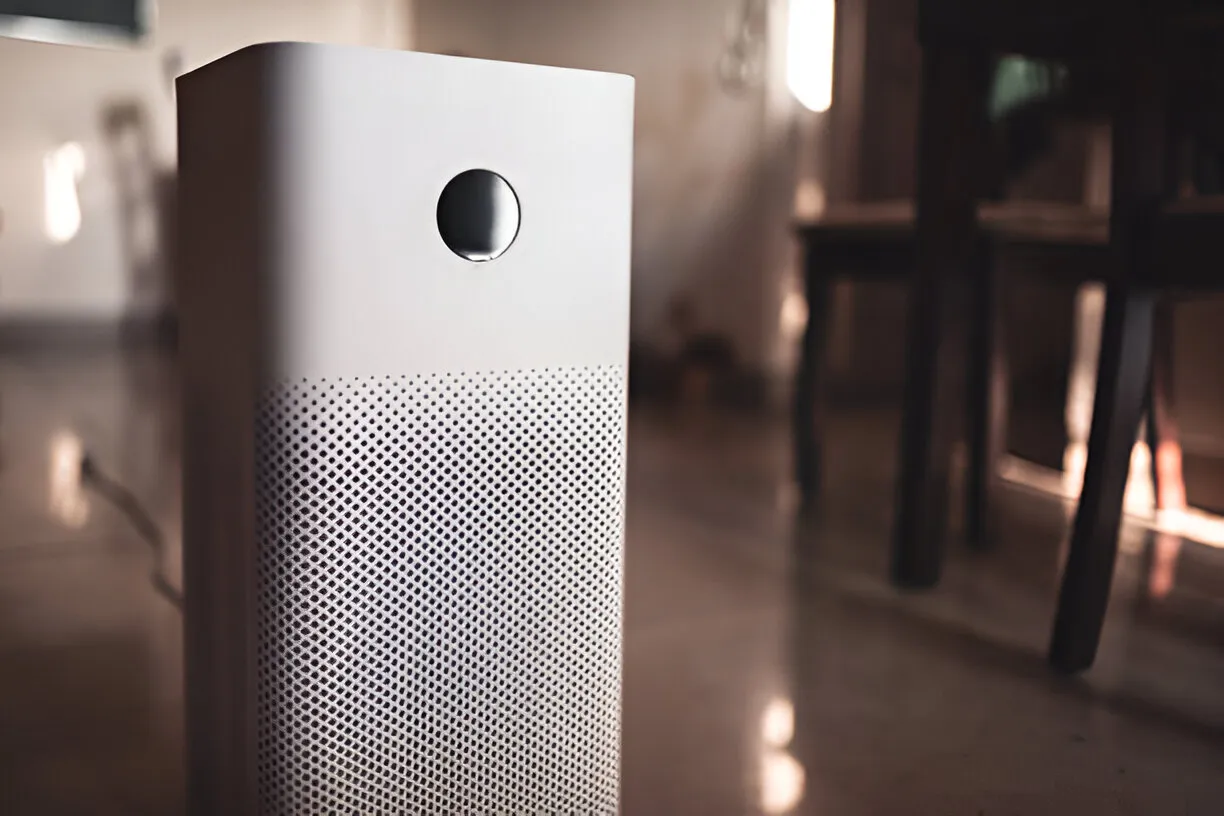
Why whole house humidification matters in Worthington, OH
Worthington experiences cold, dry winters and humid summers. When heating runs throughout winter, indoor relative humidity can fall well below comfortable and safe levels. Proper whole house humidification:
- Improves thermal comfort so you feel warmer at lower thermostat settings
- Protects hardwood floors, trim, cabinetry, and musical instruments from cracking and shrinking
- Reduces static electricity and helps alleviate dry skin, sore throats, and aggravated nasal passages
- Supports better indoor air quality when balanced correctly, without pockets of over-humidity
Common whole house humidification options
Each technology has strengths depending on home size, envelope tightness, and HVAC setup.
- Steam humidifiers
- Produce moisture independently of the furnace or air handler
- Best for tight, large, or multi-level homes and homes with high humidification demands
- Fast response and precise control; can integrate with whole-home controls
- Bypass humidifiers
- Use furnace warm-air flow to evaporate water through a pad
- Cost-effective and energy-efficient when you have central forced-air heating
- Require adequate duct pressure difference and proper placement between return and supply plenum
- Fan-powered humidifiers
- Use an internal fan to force air through the wet pad, providing humidity even when the furnace fan is off
- More consistent distribution than bypass units; slightly higher electrical use
Indoor humidity targets and seasonal guidance
Appropriate humidity varies with outdoor temperature to avoid window and envelope condensation.
- General target: 30% to 50% relative humidity year-round
- Winter guidance for Worthington:
- When outdoor temps are very cold, aim for 30% to 40% to reduce condensation risk on windows
- Moderate winter days may safely allow 40% without condensation
- Summer guidance:
- Air conditioners remove moisture; whole-house humidification is typically not used in cooling season
- Use automatic humidistats or integrated controls that adjust targets based on outdoor temperature for best results
System selection and sizing
Sizing a system properly avoids under- or over-humidifying.
- Key sizing factors:
- Home square footage and ceiling height
- Airtightness and insulation levels
- Typical occupancy and indoor activities (cooking, laundry, plants)
- Existing HVAC airflow (CFM) and furnace/air handler compatibility
- Sizing is usually expressed as gallons per day (GPD) or pounds of steam per hour for steam models
- Steam humidifiers are sized to meet higher output needs and quicker response; bypass and fan-powered are sized to the HVAC airflow and home moisture loss rate
- A professional assessment will measure air changes, envelope leakage, and heating system characteristics to recommend the correct capacity and control strategy
Integration with existing HVAC
Whole-house humidifiers are integrated differently depending on system type.
- Bypass units connect between the return and supply plenum and require a bypass duct; they rely on furnace fan operation
- Fan-powered units mount directly on the duct with electrical connection to power the fan
- Steam units typically install near the furnace or air handler and supply steam into the supply plenum; they require a condensate/drain line and a dedicated electrical connection
- Controls can be standalone humidistats, integrated thermostats with humidity control, or outdoor-temperature-sensing controllers for automatic winter de-rating
Installation details and water quality
Professional installation ensures correct placement, water supply, drain routing, and electrical connections.
- Typical installation tasks:
- Locate unit on return or supply plenum per manufacturer guidance
- Run a dedicated cold-water line with shutoff and strainer
- Provide a drain for bypass and steam condensate per local code
- Wire humidistat and any control interlocks to the HVAC control board
- Water quality matters:
- Hard water causes scale on evaporative pads and steam generators; scale reduces efficiency and lifespan
- Options to manage minerals: replace pads more frequently, install demineralization cartridges, use distilled water feed for some steam systems, or consider a whole-home water softener where appropriate
- Steam units can produce "white dust" from minerals; demineralization reduces this
Maintenance routines and troubleshooting
Regular maintenance keeps performance consistent and prevents issues.
- Recommended routine:
- Annual full inspection before heating season: clean or replace evaporative pads, descale steam chambers, inspect drains and water lines, test humidistat calibration
- Replace humidifier pads/panels per manufacturer interval or sooner in hard-water areas
- Keep supply and return plenums clear; verify damper and bypass are properly positioned
- Common troubleshooting and fixes:
- Low humidity: clogged pad, blocked water feed, incorrect control settings, insufficient unit capacity, or HVAC fan settings
- Over-humidity or condensation: humidistat set too high, malfunctioning control, poor ventilation, or system oversized
- Water leaks: loose fittings, cracked trays, or clogged drains—inspect fittings and replace damaged parts
- Noise or vibration: check mounting, fan stability (fan-powered units), and duct connections
Health considerations and safe operation
Balanced humidity improves comfort but requires management to avoid health issues.
- Benefits:
- Reduced irritation of mucous membranes, fewer static shocks, better sleep comfort, and preserved wood products
- Risks of excessive humidity:
- Relative humidity consistently above 50% can encourage dust mites, mold growth, and fungal spores
- People with mold allergies or certain respiratory conditions may be sensitive to over-humidified environments
- Best practices:
- Maintain target ranges and use automatic controls with outdoor-temperature compensation
- Ensure adequate ventilation and monitor for condensation in attics, basements, or windows
- If mold is detected, stop humidification until the source is remediated and indoor humidity is stabilized
Warranties, reliability, and lifespan
Understand manufacturer and installer coverage for long-term peace of mind.
- Typical warranty structure:
- Manufacturer parts warranty often ranges from basic one-year coverage to multi-year limited warranties on select components
- Steam generators and control boards may carry separate warranties or extended coverage
- Installer labor warranties vary by provider and may cover workmanship for a specified period
- Reliability factors:
- Proper sizing, quality of installation, and water treatment greatly influence service life
- Routine maintenance extends component life and maintains efficiency
Final considerations for Worthington homes
Whole house humidification in Worthington, OH is particularly valuable during long, dry winters to protect your health and the integrity of woodwork and flooring. Choose a system based on home size, envelope tightness, existing HVAC capabilities, and water quality. Prioritize automatic controls with outdoor-temperature compensation, plan for annual maintenance, and implement water treatment where necessary to reduce scale and white dust. Properly designed and maintained, a whole-house humidifier delivers year-round comfort improvements and helps preserve your home’s finishes without causing moisture-related problems.
Hot Deals & Cool Savings

.webp)
New Service Agreement Membership
.webp)
Any New Client Service
Next Service for Referring a New Client
New Service Agreement Membership
Any New Client Service
Next Service for Referring a New Client
.webp)
.webp)

Service Areas
