
Whole House Air Filtration in Worthington, OH
Whole house air filtration in Worthington, OH improves indoor air quality. Learn options and installation guidance — schedule installation today.

Whole House Air Filtration in Worthington, OH
Clean indoor air matters for comfort, health, and the longevity of your HVAC system. Whole house air filtration in Worthington, OH reduces dust, pollen, smoke, pet dander, and odors across your entire home by treating air at the central return.
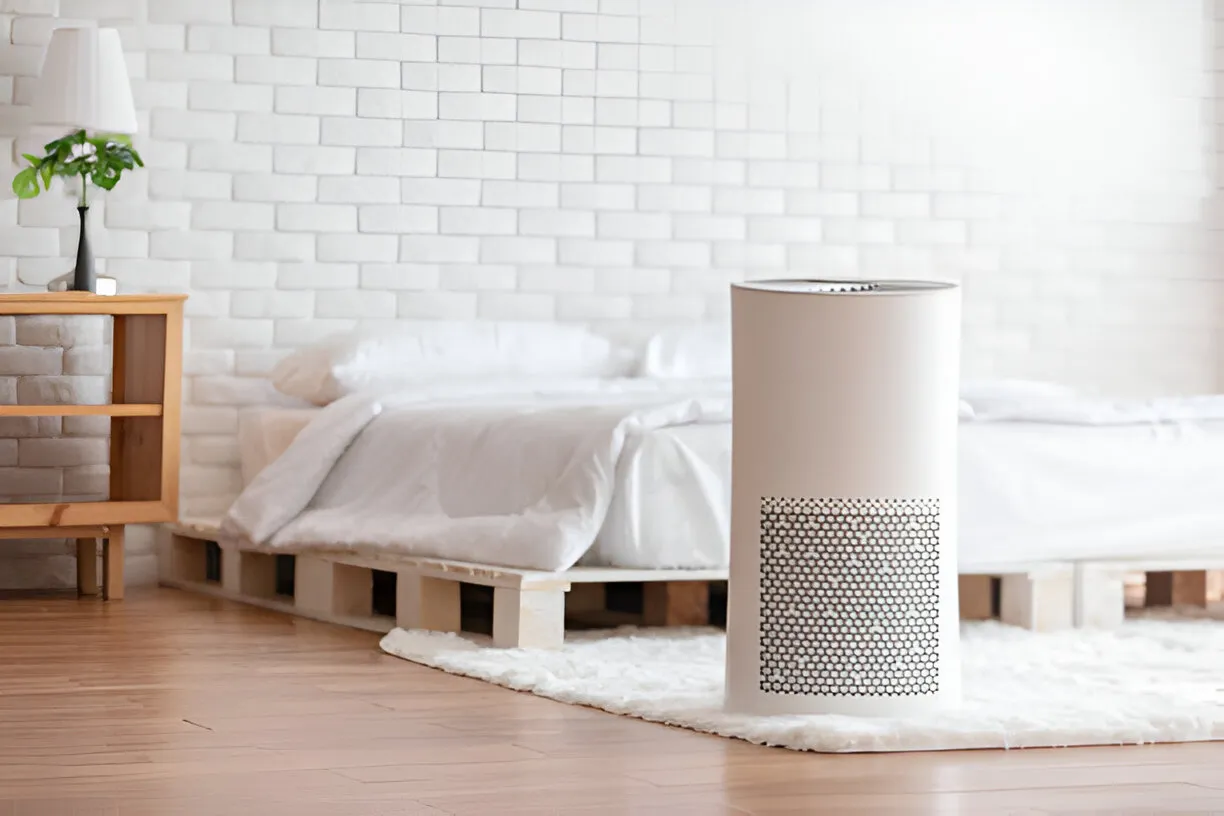
Why filtration matters for Worthington homes
Worthington experiences humid summers, cold winters, and seasonal pollen peaks from trees and grasses. Older homes in neighborhoods near downtown may have legacy ductwork or smaller furnaces that are sensitive to increased filter resistance. Regional events such as backyard burning, fireplace wood smoke in winter, and occasional transported wildfire smoke or vehicle pollution can spike indoor particulate levels. The right whole-house system both protects indoor air and prevents excessive strain on your heating and cooling equipment.
Common whole house air filtration issues in Worthington, OH
- Persistent seasonal allergy symptoms despite vacuuming and window screening
- Noticeable smoke or odor after wood-burning or regional smoke events
- Rapid filter loading and higher utility bills when using high MERV filters without system checks
- Reduced airflow or uneven heating/cooling after upgrading to a dense filter
- Frequent dust settling on surfaces despite regular cleaning
Types of whole-house filtration
- Pleated mechanical filters: Common, cost-effective, available in MERV 6 to 13. Good for dust, pollen, and many allergens.
- Depth media filters: Thicker, higher dust-holding capacity, often rated MERV 8 to 13, ideal for longer service life and less frequent replacement.
- High-efficiency filters (MERV 13+): Capture fine particles including smoke and many bacteria-sized particles. Often used during allergy season or smoke events.
- Electronic air cleaners / electrostatic precipitators: Use ionization and collection plates to remove fine particles. Can deliver high efficiency with lower pressure drop when properly maintained.
- Activated carbon or combined media: Adds adsorption for odors, VOCs, and smoke gases; used as a supplement to particulate filters.
- True HEPA whole-house solutions: Rare in standard duct systems because of high airflow restrictions; typically require system upgrades or bypass housings.
Understanding filter media and MERV ratings
- MERV (Minimum Efficiency Reporting Value) measures how effectively a filter captures particles sized 0.3 to 10 microns. Ratings range from 1 to 16 for residential/commercial filters.
- Typical guidance:
- MERV 6-8: Basic dust and pollen control
- MERV 8-11: Better for pet dander and smaller pollen
- MERV 11-13: Recommended for most allergy sufferers and good smoke particle capture
- MERV 14-16: Near-HEPA performance but may require HVAC modifications
- Filter media types: pleated polyester or fiberglass, synthetic depth media for extended life, activated carbon layers for odors. Higher efficiency usually means higher resistance to airflow.
Comparing high-efficiency filters, depth media, and electronic systems
- High-efficiency pleated (MERV 13+)
- Pros: High particle removal, widely available
- Cons: Higher static pressure; may reduce airflow without proper blower capacity
- Depth media filters
- Pros: High dust-holding capacity, lower pressure drop for a given efficiency, longer replacement intervals
- Cons: Larger filter housings may be required; higher upfront cost
- Electronic air cleaners
- Pros: Very effective at capturing fine particles with lower initial pressure drop; can be combined with mechanical filters
- Cons: Require periodic cleaning of collection cells, potential for ozone in inferior designs, ongoing maintenance important
How filtration ties into HVAC performance
Filtration is installed at the system return and directly affects system airflow and heat exchange. Excessive restriction from an overly dense filter can:
- Reduce airflow and system capacity
- Increase run times and energy use
- Cause coil freezing in air conditioning systems
- Shorten blower motor life if the motor overheatsA balanced solution matches filter efficiency to your system’s airflow capability. Many Worthington homes with older furnaces or compact air handlers need a pre-assessment before upgrading to MERV 13 or higher.
Choosing the proper filter level for allergies or smoke
- Seasonal allergies: MERV 8 to 11 often provides meaningful relief. For moderate to severe allergies, consider MERV 11 to 13.
- Pet dander: MERV 8 to 11 usually adequate; increase to MERV 11+ if symptoms persist.
- Smoke (wildfire, wood-burning): MERV 13 or higher is recommended for particulate control. Add activated carbon or a media designed for odors if smoke odor or VOCs are a concern.
- Vulnerable occupants (young children, elderly, immunocompromised): Consider layered strategies — high-efficiency filtration at the return, portable HEPA units in critical rooms, and improved ventilation.
Installation and replacement schedules
- Simple pleated filters: Inspect every month; replace every 1 to 3 months depending on loading and season.
- Depth media filters: Rated for 6 to 12 months of service; inspect at HVAC tune-ups.
- High-efficiency MERV 13+ pleated: Inspect every 1 to 3 months; many homeowners find replacement every 3 months balances performance and airflow.
- Electronic air cleaner cells: Clean every 3 to 6 months; replace collection plates or parts per manufacturer guidance.
- Activated carbon cartridges: Replace based on odor breakthrough or manufacturer schedule, commonly 6 to 12 months.Include filter inspection as part of your regular seasonal HVAC maintenance to avoid unintended system stress.
Impacts on airflow and efficiency
Upgrading to higher MERV filters without assessing blower capacity can drop system airflow and reduce seasonal efficiency. The tradeoff is clear: better particle capture can help occupant health and reduce dust on surfaces, but it can also increase fan energy and stress the HVAC system. The preferred approach in Worthington is to select the highest filtration level your system can support without exceeding acceptable static pressure, or consider a depth media or electronic system that achieves high capture with lower pressure drop.
Service plans and warranties (what homeowners should expect)
Typical service plans for whole-house filtration include scheduled inspections, filter or media replacement at recommended intervals, cleaning of electronic collection cells, and annual performance checks that verify static pressure and airflow. Warranties can cover installation workmanship, motorized housings, and electronic unit components for specified periods. Ask for documentation that details replacement intervals, covered parts, and performance expectations so you have a clear maintenance roadmap.
Maintenance tips and concluding benefits
- Inspect filters monthly during pollen season and smoke events.
- Keep returns and vents unobstructed to maintain balanced airflow.
- Combine filtration with source control: regular vacuuming, humidity control in summer, and proper fireplace use to reduce indoor pollution.
- Regularly scheduled maintenance protects HVAC performance and keeps filtration effective.
A properly selected whole-house air filtration system for Worthington, OH reduces allergens, controls smoke and odors during events, and protects HVAC equipment when matched to system capacity. Thoughtful selection of filter type and MERV rating, paired with routine maintenance, delivers cleaner indoor air and predictable system performance year-round.
Hot Deals & Cool Savings

.webp)
New Service Agreement Membership
.webp)
Any New Client Service
Next Service for Referring a New Client
New Service Agreement Membership
Any New Client Service
Next Service for Referring a New Client
.webp)
.webp)

Service Areas
