
Whole House Air Purifiers in Worthington, OH
Discover how whole-house air purifiers can improve Worthington indoor air quality, compare purifier types, and plan your installation.

Whole House Air Purifiers in Worthington, OH
Breathing clean air inside your home is essential, especially in Worthington, OH where seasonal pollen, humid summers, and winter heating cycles can increase allergens, dust, and indoor pollutants. Whole house air purifiers integrated with your HVAC system remove a wide range of contaminants from every room, reduce allergy and asthma triggers, limit dust buildup, and improve overall indoor air quality.
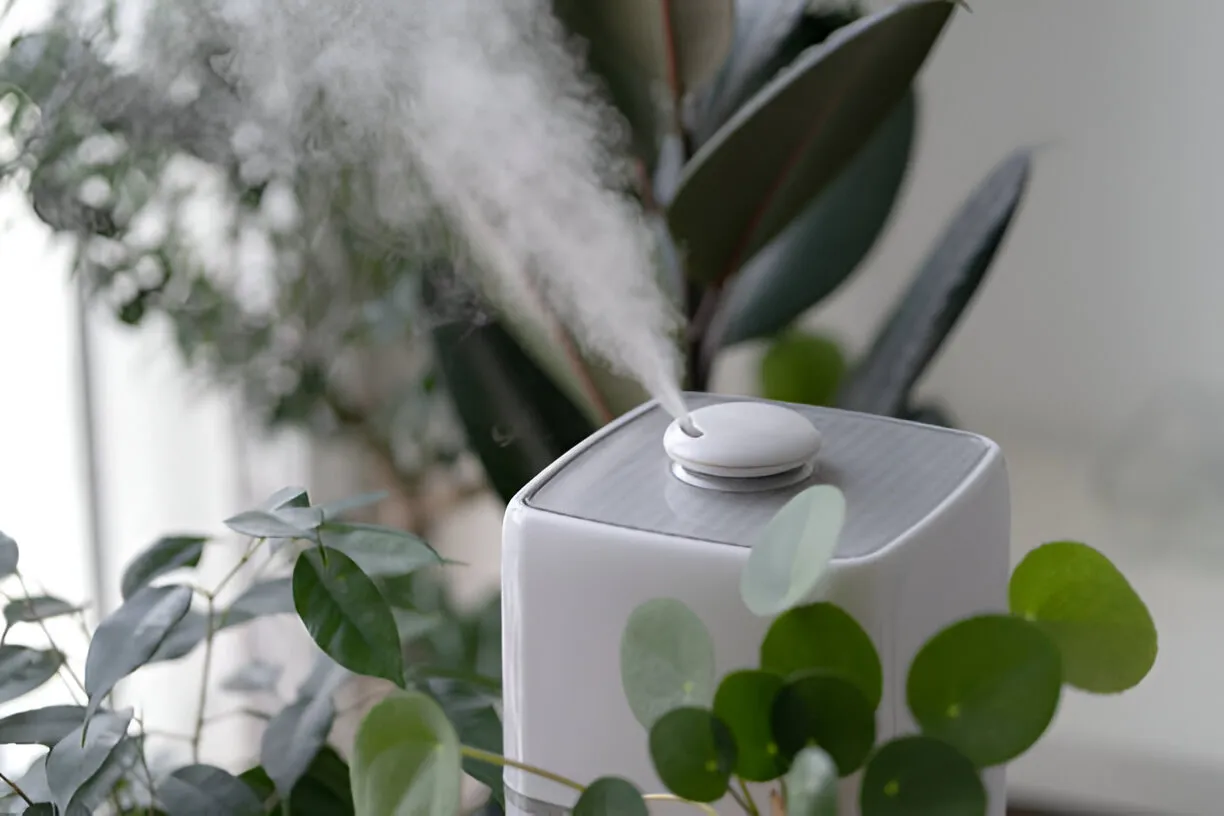
Common indoor air problems in Worthington, OH homes
- Seasonal pollen and tree allergens during spring and early summer
- Mold spores and increased humidity-related particles in warm months
- Fine soot and occasional outdoor smoke from regional events
- Pet dander, household dust, and dust mite allergens year-round
- VOCs from cleaning products, paints, and new furnishingsUnderstanding which pollutants affect your home most will guide the right whole-house solution.
Whole-house purifier types and how they work
- In-duct media filters: Thick pleated or rigid panels installed in the return plenum. They capture larger particles and some fine particulates depending on MERV rating. Good for homes that need ongoing particle filtration without major HVAC changes.
- True HEPA ducted systems: High-efficiency particulate air filtration integrated into the ductwork or installed as a dedicated side-stream unit. HEPA captures 99.97 percent of particles down to 0.3 microns and is best for allergy and asthma relief.
- Electronic air cleaners (electrostatic precipitators): Use charged plates to capture particles. They can remove fine particles effectively but require regular cleaning and can generate minimal ozone if not properly designed.
- UV and photocatalytic attachments: Use ultraviolet light and catalytic surfaces to inactivate biological contaminants such as mold, bacteria, and viruses. Best used in combination with particle filtration, since UV does not remove particulates.
- Hybrid systems: Combine media or HEPA filtration with UV or activated carbon to address particles, biologicals, and odors/VOCs.
Performance measures to compare systems
- MERV rating: Indicates efficiency for removing particles of different sizes. For whole-house comfort and allergen control, look for MERV 8 to MERV 13 for media filters; higher MERVs capture finer particles but may impact airflow if the system is not sized for them.
- CADR (Clean Air Delivery Rate): Useful for standalone systems, CADR quantifies how quickly a unit reduces particulates. For whole-house systems, equivalent airflow and the system’s ability to circulate home air determine effectiveness.
- Particle removal efficiency: Look for HEPA for the highest particle removal, or high-MERV media filters for a balance of efficiency and system compatibility.
- Air changes and coverage: Consider whether the system treats all AHUs and living spaces or only a single zone. True whole-house solutions should handle the home’s total airflow needs.
- Ozone emissions: Verify electronic cleaners and photocatalytic devices meet safety standards for low or no ozone generation.
Integration with HVAC and retrofit considerations
- Compatibility with existing furnace or air handler: High-MERV filters and HEPA installations can increase resistance to airflow. Your HVAC system must have sufficient blower capacity or be modified to maintain proper air distribution and heating/cooling performance.
- Return plenum space and cabinet size: In-duct media filters and HEPA housings need physical space in the return ductwork or equipment closet. Measure available space and access for maintenance.
- Zoning and multiple HVAC systems: Large or multi-level Worthington homes may have multiple HVAC zones. Determine whether you need dedicated purification for each zone or a central system with effective distribution.
- Duct condition: Leaky or poorly insulated ducts reduce purifier effectiveness. Addressing duct sealing and insulation improves overall IAQ results.
- Electrical and control integration: Electronic cleaners and UV units require power and may be integrated with the HVAC control system for runtime scheduling tied to fan operation.
Installation and diagnostic process
- Site assessment: A technician evaluates pollutant concerns, HVAC capacity, duct layout, and living area coverage to recommend systems that meet your performance goals.
- Load and airflow checks: Measuring static pressure and blower performance determines whether upgrades or bypass options are necessary for high-efficiency filters.
- Placement planning: Determine ideal locations for in-duct units, UV lamps near the coil to reduce biological growth, and side-stream HEPA housings if needed.
- Commissioning: Verify airflow, pressure, and control settings after installation. Ensure the purifier operates during typical fan cycles to deliver consistent air changes.
Maintenance and filter replacement
- Filter schedules: Media filters and HEPA elements must be replaced on a schedule based on usage, family size, pets, and local pollutant loads. Typical guidance ranges from quarterly checks to annual replacement for some components, but inspection frequency should be tailored to your home.
- Cleaning electronic collectors: Electronic air cleaners require periodic removal and cleaning of collection plates to maintain efficiency.
- UV lamp replacement: UV lamps lose output over time and usually require annual replacement to sustain antimicrobial performance.
- Service checks: Annual HVAC service that includes purifier inspection maximizes performance and identifies issues like increased static pressure or reduced airflow.
Health benefits and allergy considerations
- Reduced allergy and asthma symptoms: Capturing pollen, mold spores, dust mite allergens, and pet dander reduces triggers for susceptible family members.
- Fewer respiratory irritants: Removing fine particulates and some VOCs improves comfort for children, older adults, and those with respiratory conditions.
- Preventative maintenance for HVAC: Removing particulates before they reach the coil can reduce biofilm and microbial growth on evaporator coils, helping system efficiency and indoor comfort.
Energy impacts and operational costs
- Fan runtime and pressure drop: Higher-efficiency filters can increase static pressure, causing the HVAC blower to work harder. This may slightly increase electricity use if the blower runs more or at higher power.
- Balancing efficiency and energy: Selecting equipment sized for higher-MERV filters or ACE-certified HEPA housings minimizes energy penalties. Electronic cleaners typically use modest electricity for charging plates; UV lamps add a small continuous draw.
- Long-term value: Improved indoor air can reduce cleaning frequency, lessen HVAC coil fouling, and lower health-related costs associated with allergies and poor indoor air.
Choosing the right system for your Worthington home
- Identify primary goals: Allergy control, odor reduction, biological inactivation, or general particle reduction will steer you toward HEPA, activated carbon, UV, or hybrid solutions.
- Assess HVAC capacity: If your furnace or air handler is older or undersized for high-resistance filters, consider side-stream HEPA units or lower-resistance high-MERV media filters with blower upgrades.
- Consider home layout and zones: Multi-zone systems often benefit from multiple localized units or a centralized system carefully matched to total airflow.
- Factor in maintenance willingness: HEPA and media filters require scheduled replacement; electronic units need cleaning; UV requires lamp changes. Choose a solution that fits your maintenance preferences.
- Prioritize safety and certifications: Look for units with independent testing for particle removal and low ozone emissions, and verify MERV and HEPA ratings.
Whole house air purifiers in Worthington, OH deliver comprehensive indoor air improvements when matched to your home layout, HVAC capacity, and health priorities. A professional assessment focusing on local seasonal pollutants, existing ductwork, and family needs will clarify which technology or combination of technologies provides the best performance and long-term comfort for your home. Regular maintenance and system tuning ensure those benefits persist through humid Ohio summers and cold winters.
Hot Deals & Cool Savings

.webp)
New Service Agreement Membership
.webp)
Any New Client Service
Next Service for Referring a New Client
New Service Agreement Membership
Any New Client Service
Next Service for Referring a New Client
.webp)
.webp)

Service Areas
