
Whole House Humidification in Powell, OH
Powell OH whole-house humidification installation and service to balance indoor humidity, protect floors, and boost comfort. Learn more.

Whole House Humidification in Powell, OH
Winters in Powell, OH are cold and dry, and forced-air heating can drive indoor relative humidity well below comfortable and healthy levels. Whole house humidification systems restore balanced humidity throughout your home, improving comfort, protecting wood floors and furnishings, reducing static, and helping respiratory health.
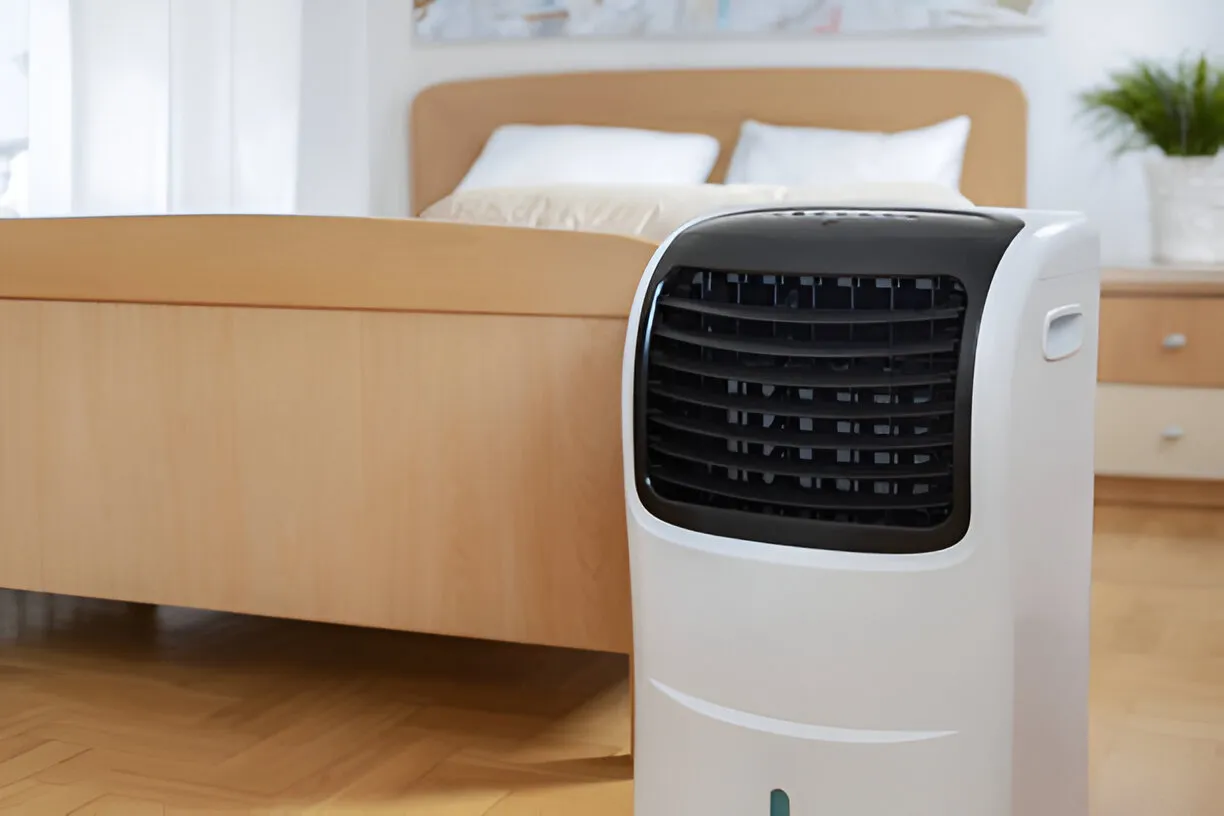
Why whole-house humidification matters in Powell, OH
- Winters: Low outdoor humidity combined with central heating produces very dry indoor air. Dry air aggravates dry skin, throat and nasal irritation, and can increase airborne virus spread.
- Summers: Higher outdoor humidity and poor ventilation can create moisture problems if systems are not set and controlled correctly.
- Home preservation: Stable indoor humidity minimizes wood shrinkage and cracking in floors, trim, and musical instruments common in older and newer Powell homes.
- Comfort and efficiency: Proper humidity makes air feel warmer, allowing lower thermostat settings without sacrificing comfort.
Types of whole-house humidification systems
- Bypass humidifiers: Use furnace airflow to move warm air across a water panel. They are energy efficient and cost-effective for homes with a central air handler. Require a duct connection between supply and return.
- Fan-powered humidifiers: Similar to bypass but include an internal fan to force air across the water panel. They provide stronger output at lower furnace fan speeds and better control in some systems.
- Steam humidifiers: Produce steam that is injected directly into ductwork or an air handler. Steam units are the most responsive and capable of higher output, suitable for larger homes, tight building envelopes, or cold winter climates like Powell where higher humidification is needed.
- Evaporative whole-house units: Simpler units that rely on air passing through a wetted media. Often used where installation simplicity is a priority.
System selection and sizing for Powell homes
Proper sizing is critical. Humidification demand depends on home square footage, insulation and air-tightness, number of occupants, and winter outdoor design temperatures found in Central Ohio.
- Determine target indoor RH: Typically 35 to 45 percent in winter to balance comfort and condensation risk on windows.
- Calculate load: A sizing calculation factors home volume, air changes per hour (infiltration), and the outdoor design temperature. Cold Powell winter nights increase the moisture removal rate outdoors, requiring higher humidifier capacity.
- Match humidifier capacity to HVAC: Small units underperform in well-sealed homes or during extreme cold. Steam units are recommended for large or tightly sealed homes; bypass or fan-powered units suit moderate-sized, conventionally insulated homes.
Installation with existing HVAC
- Duct integration: Bypass and fan-powered units connect to supply and return ducts. Proper placement ensures even distribution and avoids moisture pockets.
- Steam injection: Steam units often connect directly to the air handler or duct. They need a condensate drain and a reliable electrical supply.
- Plumbing and drainage: All whole-house humidifiers require a water feed and a drain for discarded water or condensate. Hard water areas near Powell may need treatment to prevent mineral buildup.
- Electrical and controls: Units need powered controls and often a dedicated circuit for steam models. Installation should account for furnace timing and safety interlocks.
Control options and zoning
- Manual humidistats: Basic set-and-forget controls to maintain a target RH.
- Automatic humidistats with outdoor compensation: Adjust output based on outdoor temperature to prevent over-humidification and window condensation on cold Powell nights.
- Smart controls: Integrate with home automation or smart thermostats for remote monitoring, alerts, and data logging.
- Zoning considerations: Homes with multiple HVAC zones may need individual control or dampers to ensure balanced humidity across zones. Avoid over-humidifying rooms with limited airflow like basements without proper distribution.
Maintenance and cleaning routines
Regular maintenance maximizes performance and prevents common failures, especially in Powell where seasonal extremes stress systems.
- Seasonal inspection: Inspect before heating season and again mid-winter. Check for leaks, loose fittings, and electrical connections.
- Replace evaporative pads: By-pass and fan-powered units use water panels that should be replaced annually or as specified by the manufacturer. Mineral deposits reduce effectiveness.
- Clean steam electrodes and chambers: Hard water causes scale buildup. Clean quarterly during heavy use or install a water softening or demineralization option if your area has hard water.
- Flush drains and lines: Prevent standing water, bacteria, and odors by flushing the drain lines seasonally.
- Calibrate humidistats: Confirm the humidistat reading matches a handheld hygrometer and adjust if necessary.
- Winter shutoff protocol: If you shut a system down seasonally, isolate and drain water lines and the unit to prevent freezing or microbial growth.
Common troubleshooting and fixes
- Humidifier not producing moisture: Check water supply, inlet valve, and control settings. Inspect the water panel or electrodes for mineral buildup.
- Over-humidification or condensation on windows: Lower setpoint or enable outdoor temperature compensation. Verify vents and airflow distribution.
- Water leaks near the furnace or ductwork: Inspect plumbing connections, drain lines, and the humidifier housing. Tighten fittings and replace cracked components.
- Noisy operation: Fan-powered units can develop noisy fans or rattles from loose mounts. Secure brackets and clean blower assemblies.
- Scale buildup and poor steam output: Treat water or schedule more frequent descaling for steam humidifiers.
Energy and cost considerations for Powell homeowners
- Operating costs vary by system. Bypass and fan-powered systems use furnace airflow and minimal additional electricity. Steam humidifiers consume more electricity for steam generation but are more effective in severe winters.
- Efficiency benefits: Proper humidity can improve perceived warmth, allowing thermostat setbacks of a degree or two and slight energy savings on heating bills.
- Water use: Evaporative systems consume water. Locate systems to minimize waste and consider models with efficient water usage or recirculating options.
- Long-term value: Protecting hardwood floors, trim, and drywall from extreme drying extends their life and can offset system costs over time.
Final considerations
Whole house humidification in Powell, OH is an investment in comfort, health, and home protection. Choose a system sized for your home, paired with a control strategy that prevents condensation in cold weather, and maintain the system seasonally to keep it working reliably. When specified and installed correctly with your HVAC, whole-house humidification can deliver consistent indoor humidity year-round, reducing winter discomfort and protecting interior finishes while complementing efficient heating.
Hot Deals & Cool Savings

.webp)
New Service Agreement Membership
.webp)
Any New Client Service
Next Service for Referring a New Client
New Service Agreement Membership
Any New Client Service
Next Service for Referring a New Client
.webp)
.webp)

Service Areas
