
Whole House Air Purifiers in Powell, OH
Powell, OH whole-house air purifiers improve indoor air quality by filtering pollen, dust, and smoke. Learn more about installation and maintenance today.

Whole House Air Purifiers in Powell, OH
Indoor air quality has a direct effect on comfort and health in Powell, OH homes. Whether you are sensitive to spring pollen, dealing with occasional wood smoke from regional wildfires, or trying to control pet dander and cooking odors, a whole house air purifier integrated with your HVAC is a long-term solution that treats every room.
Common indoor air issues in Powell, OH
Powell and central Ohio present a mix of seasonal and year-round air quality challenges:
- Spring and early summer pollen from trees and grasses can trigger allergic reactions indoors.
- Fall and winter bring increased indoor pollutant loads as homes are sealed for heating, raising dust, pet dander, and volatile organic compounds.
- Periodic smoke from distant wildfires and local woodburning may increase fine particulate matter.
- Suburban construction and remodeling dust in growing communities can elevate particulate levels.Understanding these local patterns helps choose the right whole house purifier and maintenance schedule.
Types of whole house air purification systems
Two primary options are commonly installed in forced-air systems found in Powell homes:
- In-duct HEPA filtration
- What it is: True HEPA media integrated into the return or supply ductwork that captures 99.97 percent of particles 0.3 microns and larger.
- Best for: Allergies, dust, pet dander, and fine smoke particulates.
- Considerations: Requires proper fan capacity and sometimes a bypass or larger cabinet because HEPA has higher airflow resistance than standard filters.
- Electronic filtration systems (electrostatic precipitators)
- What it is: Uses charging and collection plates to trap particles; typically washable or cell-based.
- Best for: Capturing fine particulates including smoke, and reducing ongoing filter purchase needs.
- Considerations: Must be cleaned regularly to maintain efficiency; some units generate trace ozone—choose certified low-ozone models.
Additional components often paired with these systems:
- Activated carbon or charcoal stages for odor and chemical adsorption.
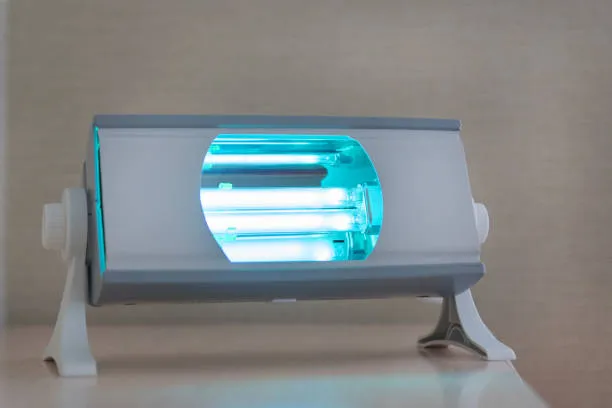
- UV germicidal lamps for microbial control when added to a full IAQ strategy.
System sizing for different home footprints
Proper sizing ensures purification without overloading your HVAC:
- Single-family homes (1,200 to 3,000 sq ft): Match purifier capacity to HVAC airflow (CFM) and room count. In-duct HEPA modules designed for typical residential furnaces fit many homes after a duct and fan assessment.
- Larger homes or multi-zone systems: May require multiple units, dedicated air handlers, or whole-home air cleaners with higher static allowances.
- Older homes with smaller or older HVAC blowers: May need an upgrade to the fan or a low-resistance filtration option to preserve airflow and comfort.
A professional assessment measures furnace fan CFM, duct layout, and pressure drop tolerance before selecting a unit so you get the targeted particulate reduction without compromising heating or cooling performance.
Installation process
Installation follows a consistent, professional workflow:
- Home assessment and airflow testing to determine capacity and location.
- Selection of system type and any prefilter/adsorbent stages.
- Mounting the purifier in the return or supply duct, or integrating a dedicated air handler for larger systems.
- Electrical and control integration for electronic purifiers and monitoring features.
- Commissioning: measuring airflow, checking pressure drop, and validating that the system operates within manufacturer specifications.Expect minimal disruption when coordinated with your HVAC system; most residential installs are completed within a single day.
Filter replacement and maintenance schedules
Maintenance is crucial to sustained performance:
- In-duct HEPA systems: Replace disposable HEPA cartridges every 12 to 24 months depending on load; check prefilters every 1 to 3 months.
- Electronic filtration: Clean collector cells monthly to quarterly based on household particle loads and follow manufacturer guidance for deep cleaning.
- Activated carbon stages: Replace every 6 to 12 months for odor control effectiveness.
- Routine HVAC and purifier inspections: Annual service visits to test airflow, inspect seals, and confirm controls are recommended, with more frequent checks during heavy pollen or smoke seasons.
Documented maintenance improves long-term outcomes and often affects warranty coverage.
Expected results and health benefits
When properly sized and maintained, whole house purifiers deliver measurable improvements:
- Substantial reduction in airborne allergens such as pollen, pet dander, and dust mite fragments.
- Noticeable decrease in fine particulates (PM2.5) from smoke and combustion sources.
- Fewer odors and lower VOC loads when carbon stages are included.
- Improved symptom control for allergy and asthma sufferers, better sleep quality, and reduced cleaning frequency from settled dust.Results depend on starting conditions, but homeowners typically observe significant air clarity improvements within days and sustained benefits with regular maintenance.
Comparison with portable air purifiers
Whole house systems and portable units both have roles:
- Coverage: Whole house purifiers treat the entire living space through existing HVAC circulation; portables are limited to individual rooms.
- Effectiveness: High-efficiency whole house HEPA generally outperforms single-room units on a per-home basis, especially when multiple rooms are used concurrently.
- Noise and convenience: Whole house systems are silent to occupants while a few portables may produce noticeable sound.
- Maintenance: Portables require frequent filter changes or multiple units; whole house systems centralize upkeep.
- Flexibility: Portables are useful for temporary needs or where ductwork is absent, but they do not replace comprehensive whole-home filtration for long-term health goals.
Service and warranty considerations
Understand the protections and ongoing service options before purchase:
- Typical warranties cover manufacturing defects on electronic components and housing; media and carbon filters often have separate replacement schedules rather than long-term warranties.
- Verify that warranty terms are not voided by irregular maintenance; follow recommended cleaning and filter replacement intervals.
- Ask about technician certification for installation and whether routine service plans are available for annual inspections, filter changes, and cell cleaning.
- Look for systems with clear performance specifications and third-party test data when possible.
Hot Deals & Cool Savings

.webp)
New Service Agreement Membership
.webp)
Any New Client Service
Next Service for Referring a New Client
New Service Agreement Membership
Any New Client Service
Next Service for Referring a New Client
.webp)
.webp)

Service Areas
