
IAQ Products in Powell, OH
IAQ products in Powell, OH improve comfort and air quality. Learn more about selecting and installing the right IAQ solutions for your home.

IAQ Products in Powell, OH
Indoor air quality (IAQ) matters year-round in Powell, OH. Local summers bring high humidity that encourages mold and dust mite growth, while spring and fall spike pollen counts that aggravate allergies. Winters are dry and push forced-air systems to circulate fine dust and volatile organic compounds (VOCs). Choosing the right IAQ products for your Powell home reduces symptoms, protects sensitive occupants, and keeps HVAC systems running more efficiently.
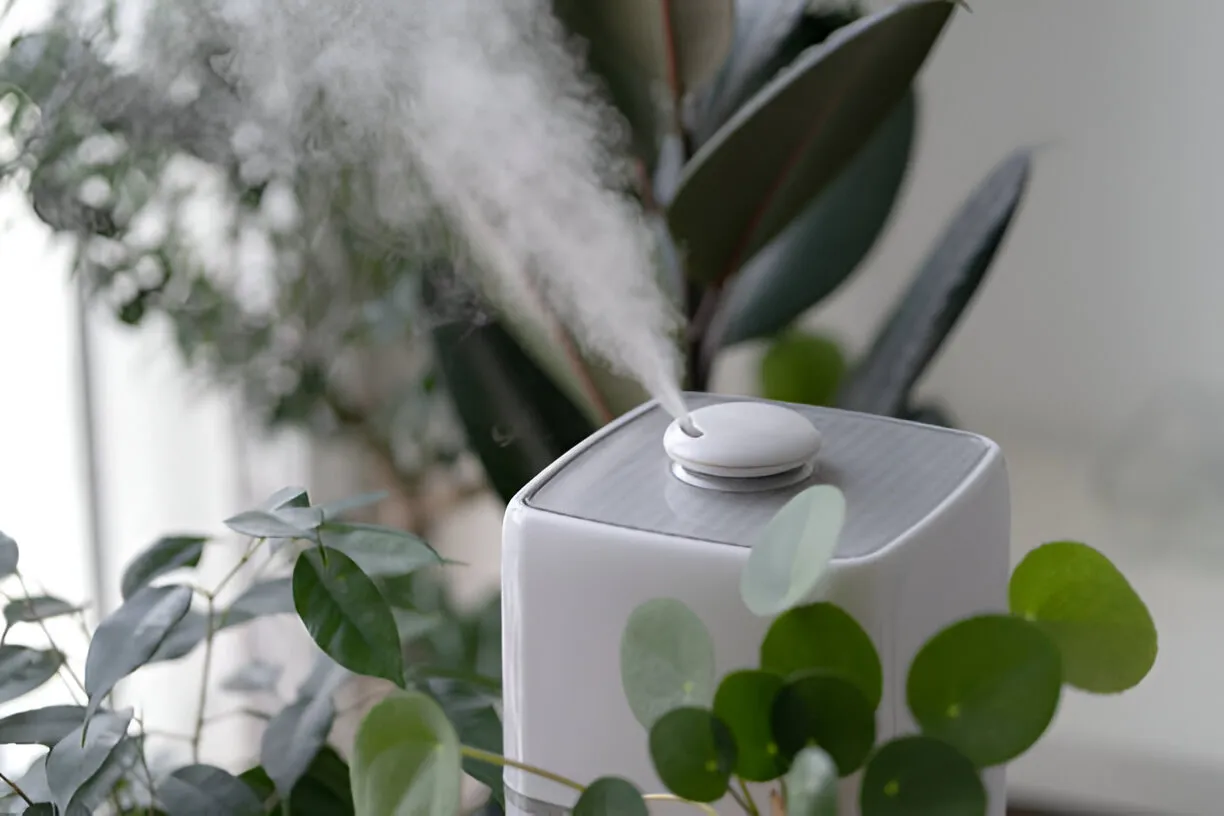
Which IAQ products solve common problems in Powell, OH
Below are the typical IAQ problems Powell homeowners face, matched to the product types that address them.
- Allergy and asthma triggers (pollen, pet dander, dust): air purifiers with true HEPA, HVAC filters rated MERV 11–13, and room sensors for particle counts.
- Excess humidity, mold risk in basements or after storms: whole-home or portable dehumidifiers sized to coverage area, and humidity sensors to monitor levels.
- Winter dryness, static, cracked woodwork, and irritated sinuses: whole-home or console humidifiers with hygienic fill and easy maintenance.
- Odors, VOCs, and off-gassing from new materials: activated-carbon filtration combined with mechanical filtration, and VOC sensors.
- Continuous low-level pathogens: UV-C germicidal systems integrated into ductwork or installed in HVAC coils when appropriate.
- Uncertain baseline air quality: multi-parameter sensors measuring PM2.5, CO2, humidity, and temperature to guide product selection and placement.
Overview of IAQ product types and key performance metrics
Understanding metrics makes choice straightforward and defensible.
- Air purifiers
- HEPA efficiency: True HEPA captures 99.97% of particles down to 0.3 micron; look for H13/H14 for higher performance.
- CADR (Clean Air Delivery Rate): Indicates how quickly a unit cleans a room. Match CADR to room size and desired air changes per hour.
- Coverage area: Choose models rated for your room square footage; smaller rooms need less capacity than open-plan living areas.
- HVAC filters
- MERV ratings: Residential homes typically use MERV 8–13. MERV 13 is effective for fine particles and many allergens but confirm HVAC compatibility before upgrading.
- Filter type: Pleated filters are common; high-efficiency combined media filters add odor control or antimicrobial layers.
- Humidifiers
- Output capacity: Measured in pints or gallons per day for console/whole-home systems; match output to home size and outdoor dryness.
- Control: Models with integrated humidistats maintain target humidity (ideal indoor range: 35–45% in Powell winters).
- Dehumidifiers
- Pint capacity: Choose by room size and baseline humidity. Basement and crawl spaces often need higher-capacity units.
- Drainage options: Gravity, pump, or continuous drain fittings for low-maintenance operation.
- UV / UV-C systems
- Placement: Coil/duct-mounted for HVAC sanitization or upper-air units for occupied spaces.
- Lamp life: Typical bulbs need replacement annually or per manufacturer schedule to maintain germicidal output.
- Sensors and monitors
- Parameters: PM2.5, PM10, CO2, VOCs, temperature, and relative humidity.
- Integration: Smart sensors enable automated control of purifiers, HVAC dampers, and dehumidifiers for responsive IAQ management.
Installation and integration options for Powell homes
IAQ products can be standalone or integrated into whole-home systems depending on your needs and house layout.
- Standalone room units: Quick to deploy for bedrooms, nurseries, or home offices. Best when targeting specific spaces like high-allergy sleepers or a damp basement.
- Duct-mounted/whole-home solutions: HVAC-mounted media filters, UV-C coil systems, and whole-home humidifiers/dehumidifiers provide consistent coverage across living areas. Ideal for open-plan suburban homes common in Powell.
- Hybrid setups: Use a whole-home filter for baseline particulate removal plus portable HEPA purifiers in high-use rooms for targeted protection.
- Smart integration: Many modern IAQ devices connect to home networks and can be automated with sensor data for on-demand operation and energy efficiency.
Maintenance expectations and ongoing costs
Reliable performance depends on routine care. Typical maintenance items homeowners should expect:
- Filter replacement: Every 3–12 months depending on MERV rating, use, and local pollen levels. Check filters monthly during high allergy seasons.
- HEPA unit upkeep: Pre-filters require cleaning; true HEPA elements are usually replaced per manufacturer intervals.
- UV lamp replacement: Annually or as recommended to sustain germicidal effectiveness.
- Humidifier care: Regular cleaning to prevent mineral buildup and microbial growth; seasonal winter startup and spring shutdown procedures.
- Dehumidifier maintenance: Emptying or ensuring proper drainage, cleaning coils and filters to maintain capacity.
- Sensor calibration and battery changes: Periodic verification ensures accurate readings that drive automation.
Because Powell experiences seasonal swings, expect heavier maintenance in spring (high pollen), summer (humidity-driven mold), and winter (dust and dry air).
How to choose the right IAQ setup for your home
Match products to household priorities and home characteristics.
- If allergies or asthma are the main concern: Start with HEPA-grade air purifiers for bedrooms and a MERV 11–13 HVAC filter for whole-home capture.
- If moisture and mold are recurring in basements or finished lower levels: Invest in a dehumidifier sized for the basement square footage and monitor humidity with a sensor.
- If odors and VOCs from new finishes or garages are an issue: Choose combination HEPA + activated carbon filtration and add VOC monitoring.
- If you want low-maintenance, whole-home coverage: Consider duct-mounted filtration plus a whole-home humidifier/dehumidifier and a UV-C coil system if bacterial growth on coils is a concern.
- If you want data-driven control: Deploy a multi-parameter sensor(s) and automate purifiers and HVAC functions based on live readings.
Pricing considerations and financing
Total cost varies by product type, capacity, and integration level. Factors influencing price include unit size, filter technology (HEPA level, MERV rating), whole-home versus portable solutions, smart features, and installation complexity for duct-mounted equipment. Financing and payment plans are commonly available through vendors and installers to spread investment over time; also check local utility or health programs for potential rebates on energy-efficient IAQ upgrades.
Final benefits and ongoing tips for Powell homeowners
Investing in the right IAQ products improves comfort, reduces allergy and asthma symptoms, extends HVAC life, and can protect finishes and stored items from moisture damage. For best results in Powell, OH:
- Monitor seasonally: increase filtration and run purifiers during spring pollen peaks and summer humidity events.
- Balance humidity: aim for 35–45% indoors to reduce mites and mold while preventing overly dry air in winter.
- Combine strategies: filtration, humidity control, and sensor-driven automation deliver the most consistent indoor air quality across Powell homes.
Selecting IAQ products with appropriate sizing, proven performance metrics, and a clear maintenance plan gives Powell homeowners confidence that their indoor air is healthier, cleaner, and better suited to family needs.
Hot Deals & Cool Savings

.webp)
New Service Agreement Membership
.webp)
Any New Client Service
Next Service for Referring a New Client
New Service Agreement Membership
Any New Client Service
Next Service for Referring a New Client
.webp)
.webp)

Service Areas
