
Whole House Air Filtration in Powell, OH
Powell, OH whole-house air filtration installation improves PM2.5 reduction and odors. Learn how to choose the right filtration and schedule installation today.

Whole House Air Filtration in Powell, OH
Clean indoor air matters in Powell, OH. With seasonal pollen, humid summers that encourage mold, vehicle and neighborhood dust, and occasional wood smoke or regional wildfire haze, many Powell homes benefit from a whole house air filtration system. Whole-house filtration reduces airborne particles and odors throughout your home by treating the air at the return or within the ductwork, protecting occupants and reducing dust accumulation on surfaces and HVAC components.
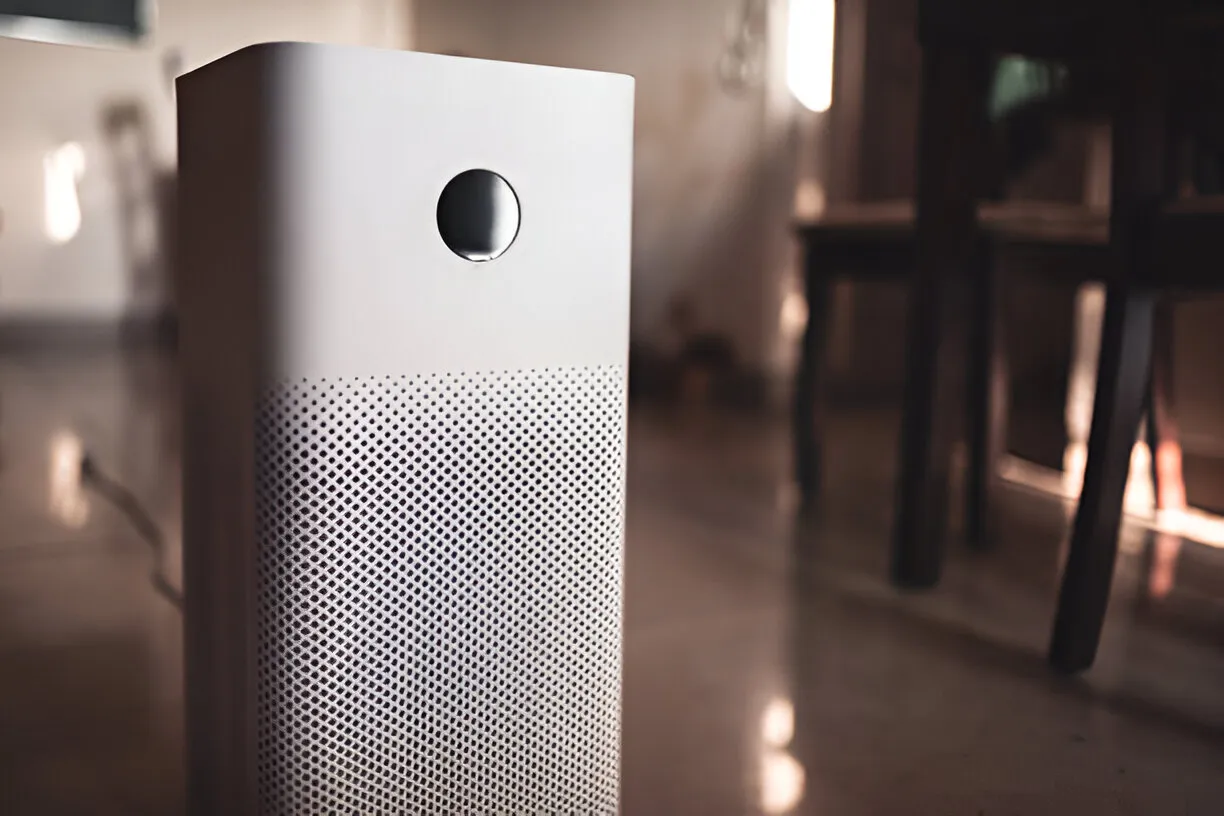
Common whole house air filtration issues in Powell, OH
- Seasonal pollen and tree allergens during spring and fall that aggravate allergies and asthma.
- Mold spores and increased indoor humidity in summer months, especially in older homes and basements.
- PM2.5 and small particle intrusion from nearby roads and occasional regional smoke events in late summer.
- Pet dander and household dust from active family homes.
- VOCs and odors from cleaning products, new paint, or recent renovations.
- Misapplied filters that create excessive pressure drop, reducing HVAC efficiency and comfort.
Understanding which of these are your primary concern determines the best filtration approach.
Comparing filter technologies
- High-MERV filters (MERV 8 to MERV 13)
- What they do: Capture a wide range of particle sizes including pollen, dust, and many fine particles.
- Pros: Good balance of particle capture and airflow compatibility with standard residential HVAC systems.
- Cons: Very high MERV ratings can increase pressure drop and strain older blowers if not matched to the system.
- HEPA filtration
- What it does: HEPA removes at least 99.97 percent of particles 0.3 microns and larger, excellent for fine particles and allergens.
- Pros: Best-in-class particle removal for allergy and smoke concerns.
- Cons: True whole-house HEPA often requires a dedicated in-duct housing or a bypass blower because HEPA media adds significant resistance to airflow.
- Electrostatic precipitators / electronic filters
- What they do: Use charged plates to capture particles, including some ultra-fine particles.
- Pros: Reusable and effective for a range of particles; can reduce long-term filter purchase cost.
- Cons: Require regular cleaning and may produce small amounts of ozone if poorly designed; performance varies by model.
- Activated carbon and chemisorption filters
- What they do: Adsorb gases and odors, including many VOCs and cooking smells.
- Pros: Important when VOCs or smells are a primary concern.
- Cons: Do not remove particles; carbon capacity is finite and replacement schedule depends on pollutant load.
- UV and photocatalytic systems
- What they do: Target biological contaminants like mold and some bacteria.
- Pros: Useful as a supplement for microbial control in humid homes.
- Cons: Not a replacement for particulate filtration and do not address particulates or VOCs by themselves.
Choosing the right filtration for your home
Pick a strategy based on the pollutants you care about and your HVAC system capabilities:
- Allergies or asthma driven by pollen and dust: High-MERV media or whole-house HEPA is most effective.
- Frequent smoke events or fine particle concerns: Whole-house HEPA or a high-MERV system with verified PM2.5 reduction.
- Odors and VOCs from renovations or chemicals: Include an activated carbon stage.
- Older HVAC systems or limited blower capacity: Choose a moderate MERV filter and consider a dedicated in-duct solution or an air handler upgrade to avoid airflow loss.
- Homes with pets or heavy occupants: A staged approach with a prefilter, a high-MERV media filter, and periodic activated carbon replacement balances performance and maintenance.
Installation methods for ducted systems
- Return plenum or filter cabinet installation
- Most common: install a larger media filter cabinet at the return near the air handler to increase filter area and lower pressure drop.
- Dedicated in-duct HEPA
- For true HEPA performance, a bypass or parallel HEPA module with its own fan can treat whole-house airflow without crippling the main blower.
- Multi-stage filtration
- Combine a washable prefilter, a high-MERV media filter, and an activated carbon stage to address particles and gases in sequence.
- Considerations during installation
- Check static pressure and blower capacity before upgrading to high-MERV or HEPA media to avoid reduced airflow.
- Proper sealing and correct filter orientation are essential to prevent bypass and ensure system effectiveness.
- Duct layout, return locations, and zoning affect distribution and should be considered when sizing a whole-house solution.
Expected improvements and realistic outcomes
- Particle reduction: Properly designed whole-house HEPA or high-MERV setups typically reduce indoor PM2.5 and common allergen loads by 70 to 95 percent compared with an unfiltered baseline, depending on air changes and source control.
- Dust and surface cleanliness: Many homeowners notice less dust buildup on surfaces and lower HVAC coil contamination, improving system longevity.
- Symptom relief: Occupants with allergies often report fewer symptoms during high pollen seasons when filtration is matched to the allergen profile.
- Limitations: Filtration does not control radon or all gases unless a chemisorption stage is included, and it does not directly reduce indoor humidity. Source control and ventilation complement filtration for full indoor air quality management.
Routine maintenance and recommended replacement schedules
Maintenance frequency depends on filter type and local pollutant load in Powell.
- Washable prefilters: Clean every 1 to 3 months in homes with pets or heavy dust.
- High-MERV pleated filters: Replace every 3 to 6 months in typical homes; in high-pollen seasons or smoky events, check monthly.
- HEPA media (if in a dedicated housing): Replace per manufacturer guidance, commonly every 12 to 24 months depending on load.
- Activated carbon cartridges: Replace when odors return or per manufacturer intervals; heavy VOC environments require more frequent changes.
- Electronic filters: Clean collector plates monthly to quarterly; inspect seals and ionization components.
- Professional checkups: Annual HVAC and filtration inspections verify static pressure, airflow, and proper sealing, and ensure the system continues to meet performance expectations.
Performance testing and verification
- Particle count testing: Portable particle counters provide before-and-after PM2.5 and PM10 readings to quantify improvement.
- Static pressure tests: Measure pre- and post-filter to ensure airflow remains within safe limits for the air handler.
- VOC meters and odor assessments: Verify activated carbon performance for gases and smells.
- Longitudinal monitoring: Seasonal checks, especially after pollen season or smoke events, confirm ongoing effectiveness and help fine-tune replacement intervals for Powell’s seasonal patterns.
Cost and benefit considerations
- Upfront vs ongoing cost: Whole-house HEPA and multi-stage systems generally cost more up front but reduce allergy symptoms, cleaning time, and coil fouling. High-MERV media systems are a cost-effective compromise with lower initial disruption.
- Energy impact: Higher-efficiency media increases static pressure modestly. Properly sized filter cabinets and compatible blowers minimize energy penalty. Poorly matched filters can increase run times and energy use.
- Health and lifestyle value: Reduced allergy medication use, fewer missed school or work days, and improved sleep quality are real benefits for families in Powell with seasonal allergies or asthma.
- HVAC longevity: Cleaner air means fewer particulates on coils and fans, which can reduce maintenance frequency and extend equipment life.
Whole-house air filtration in Powell, OH is a practical, serviceable step to improve indoor air quality when matched to local concerns and your HVAC capacity. Choosing the right technology and maintaining it properly delivers measurable air quality improvements, healthier indoor environments, and long-term value for Powell homeowners.
Hot Deals & Cool Savings

.webp)
New Service Agreement Membership
.webp)
Any New Client Service
Next Service for Referring a New Client
New Service Agreement Membership
Any New Client Service
Next Service for Referring a New Client
.webp)
.webp)

Service Areas
