
Whole House Humidification in New Albany, OH
Discover whole-house humidification for New Albany, OH homes: bypass, fan-powered, and steam options, installation steps, maintenance, and expert sizing. Learn more.

Whole House Humidification in New Albany, OH
Whole house humidification is a practical, long-term solution for controlling indoor humidity throughout the heating season in New Albany, OH. With cold, dry winters and frequent use of forced-air heating, many New Albany homes experience persistent low relative humidity that leads to dry skin, irritated sinuses, static electricity, and shrinkage or cracking in hardwood floors and fine furniture.
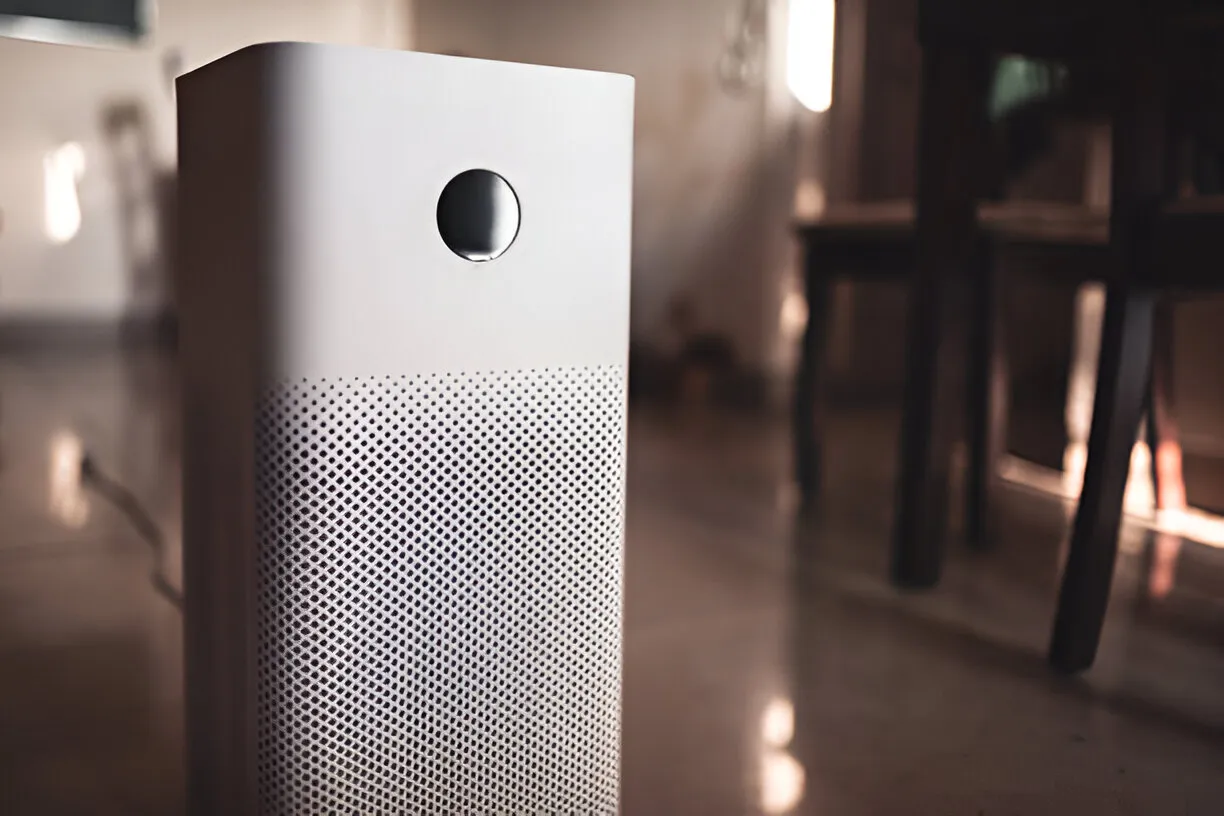
Why whole house humidification matters in New Albany, OH
- Comfort and health: Maintaining indoor relative humidity (RH) in the recommended winter range reduces dry skin, sore throats, nosebleeds, and static shocks common during Ohio winters. Proper humidity can also make indoor air feel warmer, often allowing slight thermostat setbacks without sacrificing comfort.
- Protection for wood and furnishings: Hardwood floors, trim, musical instruments, and wooden furniture in New Albany’s newer and older homes are sensitive to low-humidity shrinkage and cracking. Stable RH preserves finish and fit.
- Indoor air quality balance: Controlled humidification reduces airborne irritants from dry dust but must be managed to avoid excessive indoor moisture that encourages mold or dust mites, especially during milder, wetter periods.
Humidifier types — bypass, fan-powered, and steam
- Bypass humidifiers
- How they work: Use furnace air pressure to draw warm air through a moisture panel and back into ductwork.
- Best use case: Homes with strong central airflow and a dedicated return to supply pathway.
- Pros: Lower energy use, quieter operation.
- Cons: Less effective in tight, low-airflow systems and less output than other types.
- Fan-powered humidifiers
- How they work: An integrated fan forces air across the moisture panel, increasing the moisture delivery rate.
- Best use case: Larger homes or systems where rapid humidity correction is needed.
- Pros: Higher output than bypass and consistent performance regardless of furnace fan setting.
- Cons: Uses more electricity and can be slightly louder.
- Steam humidifiers
- How they work: Electrically generate steam that is injected directly into the duct or air handler.
- Best use case: Very large or highly airtight homes, multi-zone installations, or where precise RH control is required.
- Pros: Highest output and best for very dry or high-demand applications. Works independently of furnace operation.
- Cons: Higher installation complexity and requires proper water treatment to minimize mineral buildup.
Sizing and selecting the right system for New Albany homes
Sizing depends on home square footage, envelope tightness, ceiling heights, number of occupants, and how cold it gets outside. New Albany homes vary from compact townhomes to larger custom builds; professionals normally calculate needed moisture output in gallons per day (GPD) or pounds of water per hour and match the humidifier to the HVAC air handler capacity.
Typical guidance:
- Smaller, moderately sealed homes often do well with bypass or smaller fan-powered units.
- Larger or very airtight homes often require high-capacity fan-powered or steam units.
- If your home has zoning, multiple supplies, or a high-performance envelope, a steam humidifier or multiple distributed units may be the right approach.
A load-based assessment and inspection of the furnace/air handler are recommended to choose the correct capacity and placement.
Integration with HVAC systems and installation steps
Standard installation steps:
- System assessment: Inspect furnace/air handler, duct layout, and determine water and drain access points.
- Unit selection: Choose bypass, fan-powered, or steam unit based on capacity needs and HVAC characteristics.
- Mechanical installation: Mount the humidifier on the supply or return plenum (per manufacturer instructions), connect to a cold water line with proper shutoff and backflow prevention, and install a drain or condensate outlet.
- Electrical and control wiring: Hook up power for fan or steam elements and wire the humidistat/hygrostat to the furnace control, or integrate with a smart thermostat if compatible.
- Commissioning: Test water flow, drain function, control response, and verify target RH is achievable without condensation on windows.
- Documentation: Provide unit specifications, maintenance schedule, and any water treatment requirements.
In New Albany’s variable winter conditions, placement and control integration that allow automatic outdoor-temperature compensation are especially valuable to avoid window condensation.
Automated controls and hygrometer settings
- Recommended winter RH: Aim for 35-45% RH indoors during winter months. This range balances comfort and health benefits while minimizing condensation risk on windows and cold surfaces.
- Outdoor-temperature compensation: Use controls that reduce allowable RH as outdoor temperatures fall. For example, a humidistat tied to outdoor sensor or a preprogrammed curve helps prevent condensation when cold snaps occur.
- Smart/remote monitoring: Modern systems integrate with thermostats or smart humidistats for remote monitoring, scheduling, and alerts when maintenance is due.
Maintenance and cleaning to avoid microbial growth
Preventing microbial growth depends on regular, simple maintenance:
- Replace evaporative pads annually or as recommended. Heavy mineral areas may require more frequent changes.
- Inspect and clean water panels, drain lines, and surrounding ductwork at least once per heating season.
- For steam units, follow manufacturer guidance on descaling and replace electrodes or cartridges per schedule.
- Use proper water treatment or a demineralization cartridge if your water is hard; mineral deposits can encourage bacterial growth and reduce efficiency.
- Ensure the system is not over-humidifying; persistent condensation means the system should be adjusted.Signs of microbial issues include musty odors near vents, visible residue around the humidifier, or persistent fogging. Address these with cleaning, drainage correction, and humidity setpoint adjustment.
Common issues and simple troubleshooting
- Low humidity in the house: Check that the humidifier pad is not clogged, the water supply is on, and the humidistat is configured correctly.
- Over-humidification: Reduce setpoint; verify outdoor temperature compensation; ensure drain is functioning.
- Mineral buildup and white dust: Consider water treatment or a steam unit with proper maintenance.
- Noise or vibration: Verify mounting and fan balance; fan-powered units may be slightly louder and should be isolated from sensitive areas.
Warranty, servicing plans, and ongoing care
Standard warranties vary by product type and manufacturer, commonly covering parts for 1-3 years and some components longer. Servicing plans typically include annual inspections, pad or cartridge replacement, cleaning of water components, functional testing of controls, and minor repairs. Regular seasonal servicing preserves performance, reduces microbial risk, and helps maintain warranty compliance.
Whole house humidification in New Albany, OH protects comfort, health, and valuable wood surfaces when properly sized, installed, and maintained. A professional assessment that accounts for your home’s size, HVAC system, water quality, and occupancy pattern will identify the best system type and control strategy for consistent, safe indoor humidity through New Albany’s cold, dry months.
Hot Deals & Cool Savings

.webp)
New Service Agreement Membership
.webp)
Any New Client Service
Next Service for Referring a New Client
New Service Agreement Membership
Any New Client Service
Next Service for Referring a New Client
.webp)
.webp)

Service Areas
