
IAQ Products in New Albany, OH
Discover IAQ products for New Albany, OH to improve indoor air quality. Learn how to choose solutions and keep them running smoothly.

IAQ Products in New Albany, OH
Clean indoor air is one of the most important factors for a healthy home in New Albany, OH. Whether you live in a newer build on a wooded lot or an established house near open fields, seasonal pollen, humid summers, winter dryness, and occasional smoke or VOCs from nearby construction can affect air quality.
Why IAQ matters in New Albany, OH
New Albany experiences humid summers that encourage mold and dust-mite activity, a heavy spring and summer pollen season from local trees, and dry indoor air during cold months from furnace heating. These conditions increase allergy symptoms, respiratory irritation, and can accelerate the degradation of finishes and instruments. Effective IAQ products target allergens, smoke, volatile organic compounds (VOCs), pathogens, and undesirable humidity levels to create safer, more comfortable indoor environments.
Common IAQ problems in New Albany homes
- Seasonal allergies from tree and grass pollen
- Increased indoor humidity and mold growth in summer
- Low winter humidity causing dry skin, static, and sore throats
- Residual smoke or odor from outdoor fires, grilling, or nearby burning
- VOCs from new finishes, cleaning products, or renovation work
- Pathogen and viral concerns in high-occupancy households
IAQ product types and how they improve home health
- Whole-house air purifiers (electrostatic, HEPA-compatible or MERV-enhancing systems)
- Reduce airborne particles, dust, pet dander, and some airborne pathogens when integrated with the central HVAC return.
- High-efficiency filters (MERV-rated and HEPA)
- MERV 8–13 filters balance airflow and particle capture for most homes; HEPA filtration captures 99.97% of particles down to 0.3 microns for higher-risk situations.
- Humidifiers (bypass, fan-powered, steam)
- Maintain indoor relative humidity in the comfortable 40–50% range during winter to reduce dry air symptoms and protect woodwork and instruments.
- Dehumidifiers (whole-house or ductless)
- Control excess moisture in basements and living spaces; capacity measured in pints per day—important for preventing mold and musty odors during humid months.
- UV/UV-C lights
- Installed in or near the HVAC coil to reduce microbial growth on surfaces and lower airborne pathogen viability; complements filtration for improved microbial control.
- Ventilation systems (ERV/HRV and demand-controlled ventilation)
- Provide controlled fresh-air exchange while recovering energy; helpful for newer, tighter homes in New Albany to reduce VOC buildup from finishes and occupants.
- Activated carbon/charcoal filters
- Capture gases, odors, and VOCs from paints, cleaners, or smoke events; often used in combination with particulate filters.
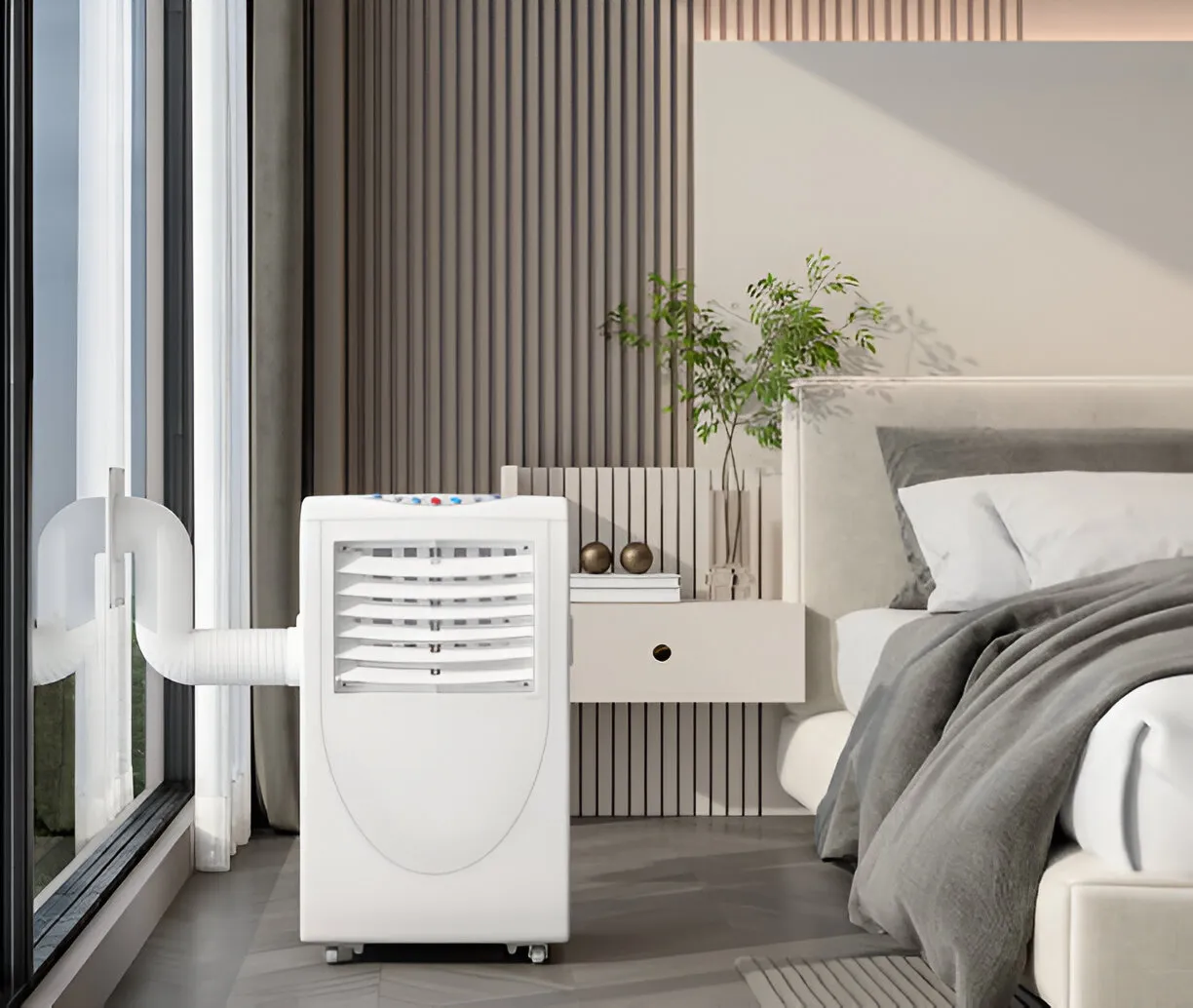
- Room air purifiers (portable HEPA/CADR-rated units)
- Useful for targeted rooms, temporary smoke events, or supplemental filtration in bedrooms and home offices.
How to choose the right IAQ solution for your home size and concerns
- For allergy sufferers in single-family homes: Combine a high-efficiency whole-house filter (MERV 11–13) with a portable HEPA unit in the bedroom for overnight relief; consider a UV-C coil treatment for microbial control.
- For homes with high humidity or basement mold: Install a whole-house dehumidifier sized in pints/day appropriate for basement/crawlspace volume or a dedicated basement dehumidifier plus ducting to living spaces.
- For new construction or renovation: Add an ERV or HRV to control VOCs and introduce fresh air while preserving energy. Use activated carbon/specialty filters during and after finishing work.
- For smoke events or odor issues: Use portable HEPA units with activated carbon prefilters in occupied rooms; for recurring smoke concerns consider upgrading whole-house filtration and adding dedicated carbon filters.
- For multi-level or open-plan homes: Whole-house solutions tied to the central HVAC are most effective; supplement with room purifiers where HVAC zones are less balanced.
- For small condos or apartments: High-quality portable HEPA units with carbon filtration and a small humidifier/dehumidifier (as needed) offer practical IAQ improvements without major installation.
Installation options and integration
- Retrofit integration with existing HVAC: Most whole-house purifiers, UV systems, humidifiers, and dehumidifiers can be installed in the furnace/air handler or ductwork. Proper sizing and duct compatibility are essential to maintain airflow and efficiency.
- New construction or major renovation: Easier to incorporate ERV/HRV systems, central humidification/dehumidification, and optimized duct layouts for balanced ventilation.
- Standalone/portable units: No installation required; ideal for renters, targeted rooms, or temporary conditions.
- Smart controls and monitoring: Many modern IAQ products integrate with thermostats or dedicated sensors (PM2.5, VOC, humidity) to automate ventilation and filtration based on indoor conditions.
Maintenance, replacement schedules, and best practices
- Filters
- Standard disposable filters: check every 1–3 months; replace 3–12 months depending on MERV rating, household pets, and usage.
- HEPA filters in whole-house or portable units: replace per manufacturer guidance (often 6–12 months for portable units; longer for some whole-house modules).
- UV-C lamps
- Typical effective life 9–12 months for peak output; replace annually or as recommended to maintain microbial control.
- Humidifier pads/filters
- Replace or clean monthly during heavy use; perform system flushes before and after heating season.
- Dehumidifiers
- Clean coils and reservoirs seasonally; clear condensate drains and inspect pumps annually.
- Ventilation systems (ERV/HRV)
- Clean or replace core/filters seasonally; inspect fans and dampers annually.
- Ductwork
- Inspect ducts every 2–5 years and clean if visible dust, mold, or pest contamination is present.
Performance specifications to consider
- CADR (Clean Air Delivery Rate): Useful for portable units—select units with CADR appropriate for room size.
- MERV rating: Higher MERV improves particle capture but may restrict airflow—ensure HVAC compatibility.
- HEPA standard: True HEPA filters capture 99.97% of particles at 0.3 microns.
- UV-C efficacy: Reported as pathogen reduction percentages under specific airflow and exposure conditions; used as a supplement to filtration.
- Humidity targets: Aim for 40–50% relative humidity to minimize mold and dust mites while avoiding condensation.
- Dehumidifier capacity: Choose capacity (pints/day) based on basement/living space moisture load and square footage.
Warranties and expected service life
- Many IAQ components carry manufacturer warranties on parts ranging from 1 to 10 years depending on product class; consumables like filters and UV lamps are typically excluded from long-term warranties.
- Expect mechanical components (fans, pumps) to last multiple years with proper maintenance; replace consumables and lamps at manufacturer intervals to preserve warranty coverage.
Benefits of timely IAQ upgrades
Improving indoor air quality reduces allergy and asthma triggers, minimizes mold and moisture damage, controls odors and VOCs, and contributes to overall comfort and sleep quality. For New Albany households, targeted IAQ strategies tailored to seasonal humidity and pollen patterns deliver the most reliable health and comfort improvements.
Frequently asked questions (FAQ)
Q: How do I know which filter MERV rating is right?
A: For most homes, MERV 8–11 provides good balance of particle capture and airflow. MERV 11–13 or HEPA-level filtration is recommended for allergy or immune-compromised situations; verify that your HVAC blower can handle the increased resistance.
Q: Will a UV-C light keep my family from getting sick?
A: UV-C reduces microbial load on coils and in passing air but is most effective when combined with proper filtration and ventilation. It is a supplemental tool, not a standalone cure.
Q: Can a humidifier cause mold problems?
A: Over-humidification can encourage mold. Use whole-house humidifiers with humidity controls and maintain target 40–50% relative humidity; monitor and adjust seasonally.
Q: How often should I replace UV lamps and filters?
A: UV lamps are commonly replaced annually for consistent output. Filters vary: check monthly, replace every 3–12 months depending on type and household conditions.
Q: Are whole-house systems better than portable units?
A: Whole-house systems provide consistent, centralized treatment for every room. Portable units are effective for targeted or temporary needs and are a lower-cost, no-installation option.
This guidance is intended to help New Albany homeowners select and maintain IAQ solutions that address local climate and lifestyle factors. Properly matched products + regular maintenance = measurable improvements in indoor health and comfort.
Hot Deals & Cool Savings

.webp)
New Service Agreement Membership
.webp)
Any New Client Service
Next Service for Referring a New Client
New Service Agreement Membership
Any New Client Service
Next Service for Referring a New Client
.webp)
.webp)

Service Areas
